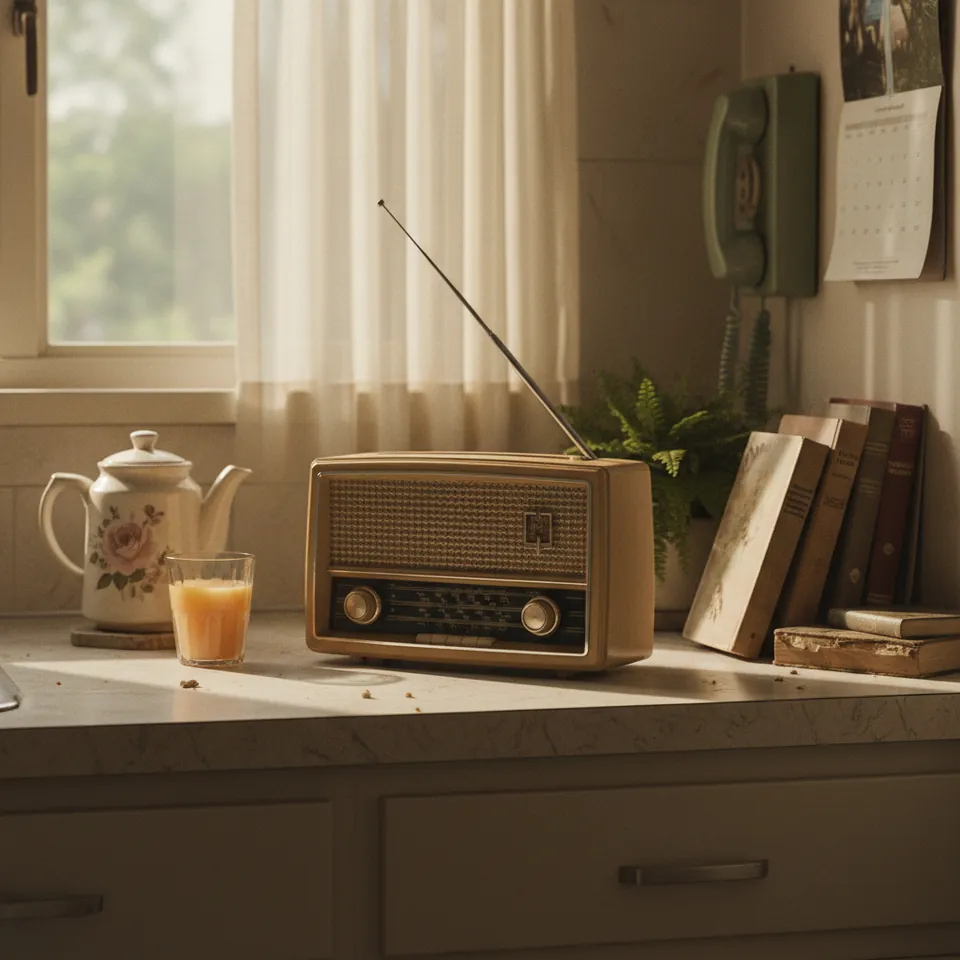
The Transistor Radio on the Kitchen Counter
Transistor radios made listening easier to move from room to room. Smithsonian objects trace the technology; the kitchen memory is about whose program filled the working day.
Read the storyThe objects and rituals that made a house a home. Explore stories in the WistMem memory archive. Search for something you remember ↗
42 stories · Page 2 of 4
Transistor radios made listening easier to move from room to room. Smithsonian objects trace the technology; the kitchen memory is about whose program filled the working day.
Read the story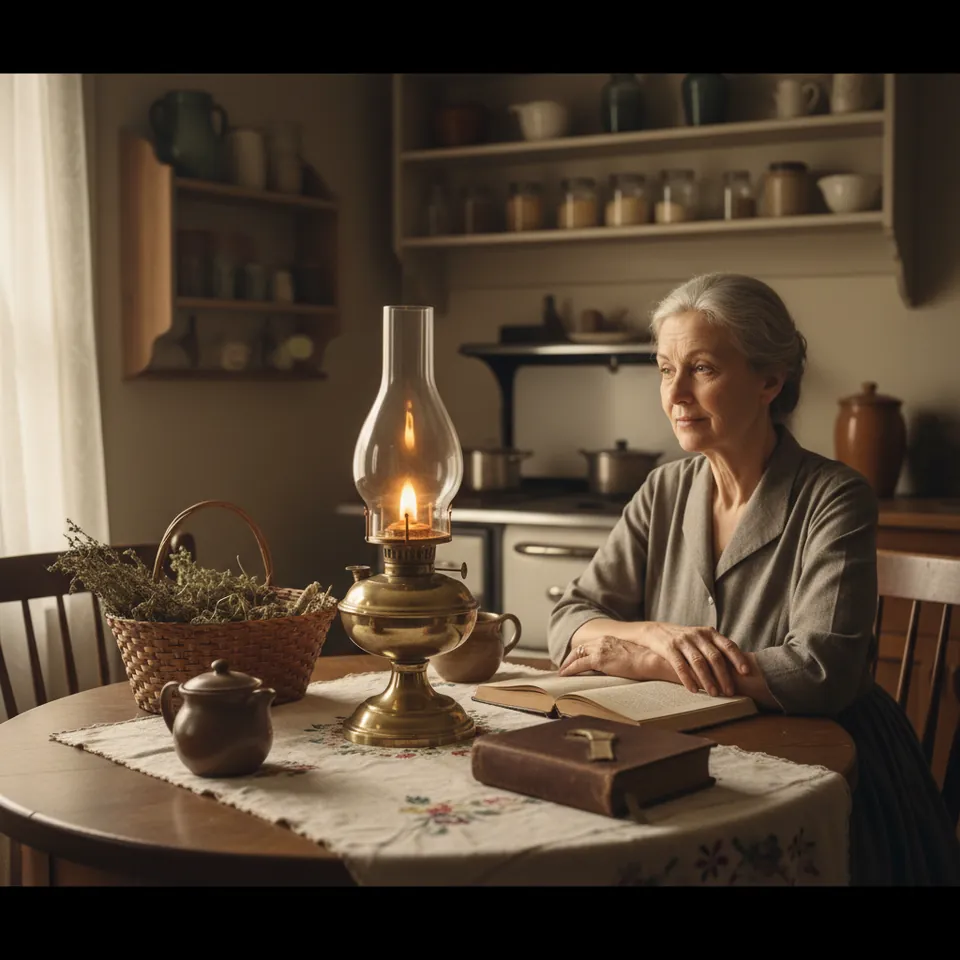
A kerosene lamp required fuel, a wick, and regular attention. Historic homes show how a movable light shaped reading, chores, and evenings before local electrification.
Read the story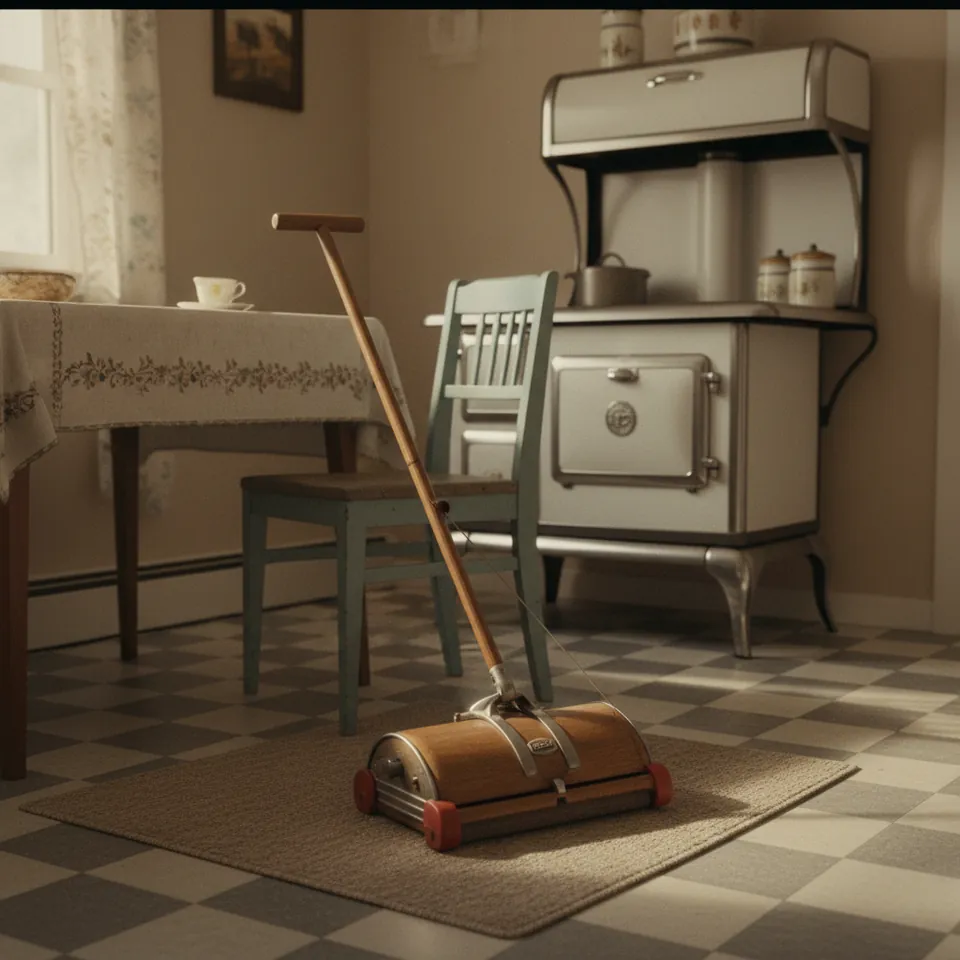
A carpet sweeper used its wheels to drive brushes and gather crumbs without a motor. An early advertisement and a museum vacuum show what changed when electric suction arrived.
Read the story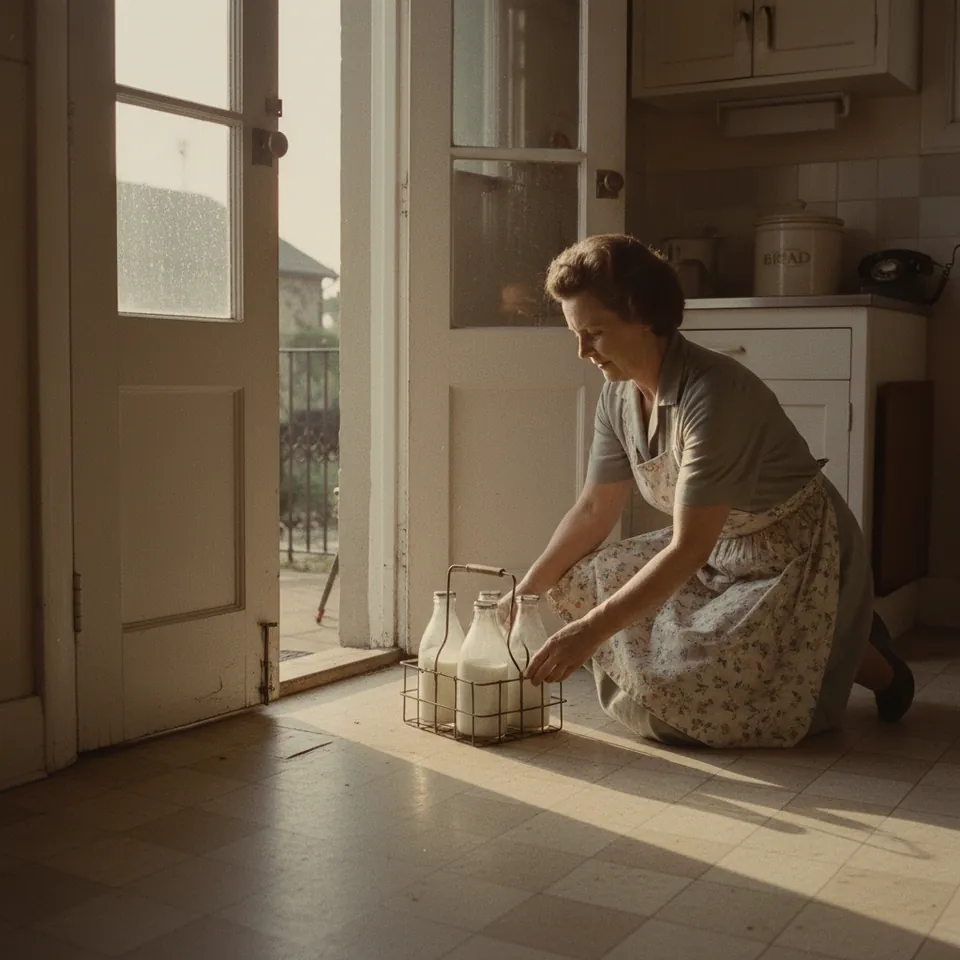
The clink at the doorstep came from a delivery route: bottles loaded, carried, exchanged, and accounted for. A historic photograph and family letter put the worker back in the story.
Read the story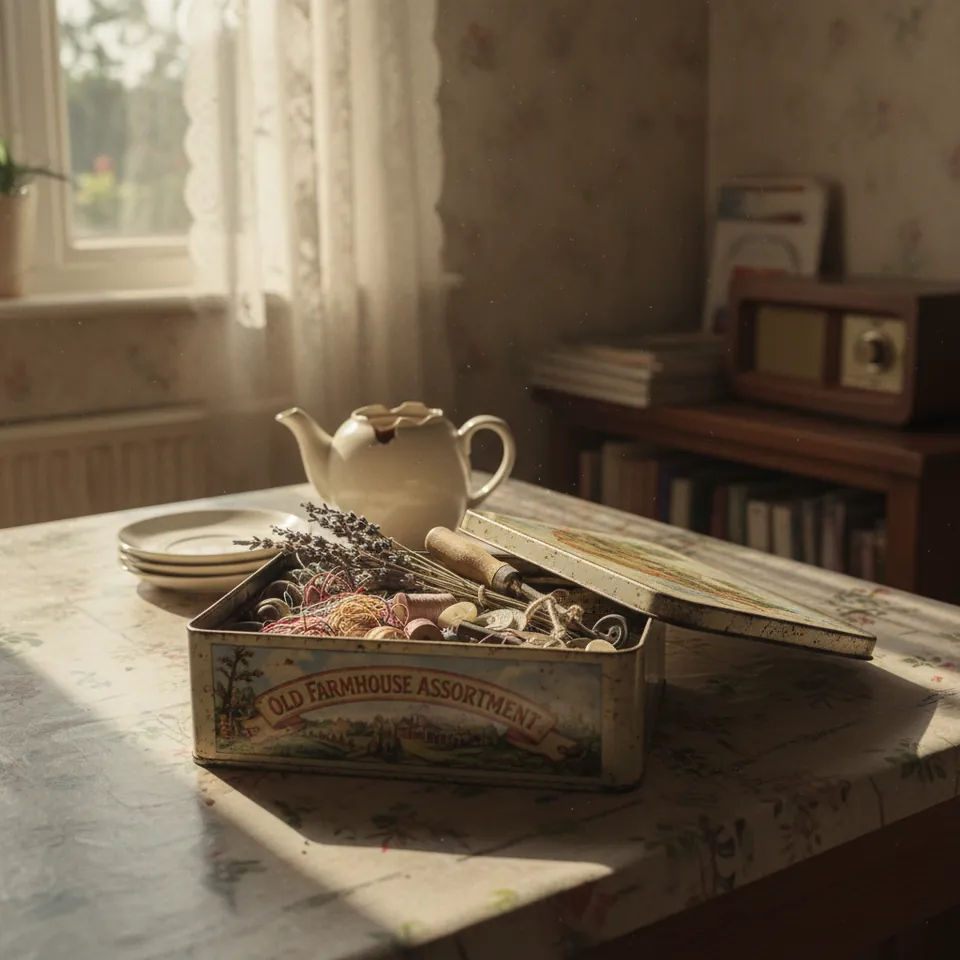
A biscuit tin could outlast the biscuits by decades. Museum collections show how makers designed tins to be kept, while the surprising contents of one family tin tell their own story.
Read the story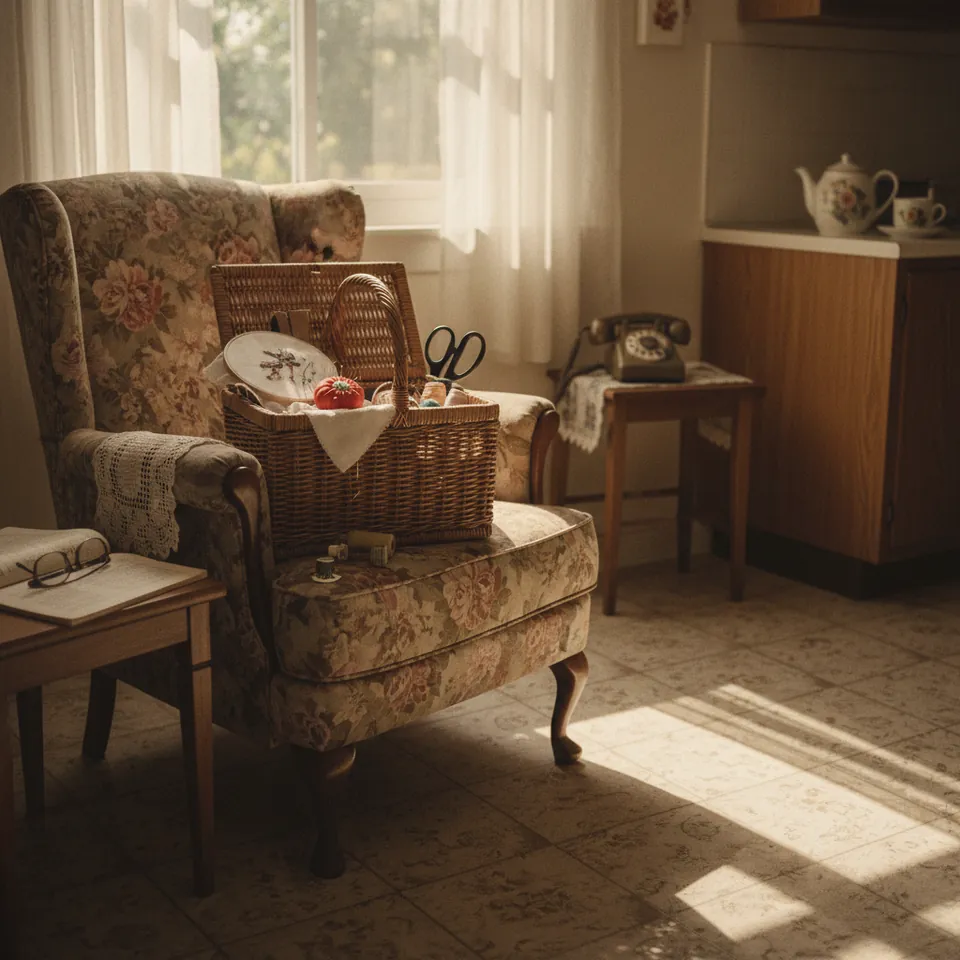
A sewing basket held more than needles and thread: it kept repair work close at hand. Smithsonian workboxes show how varied these containers could be.
Read the story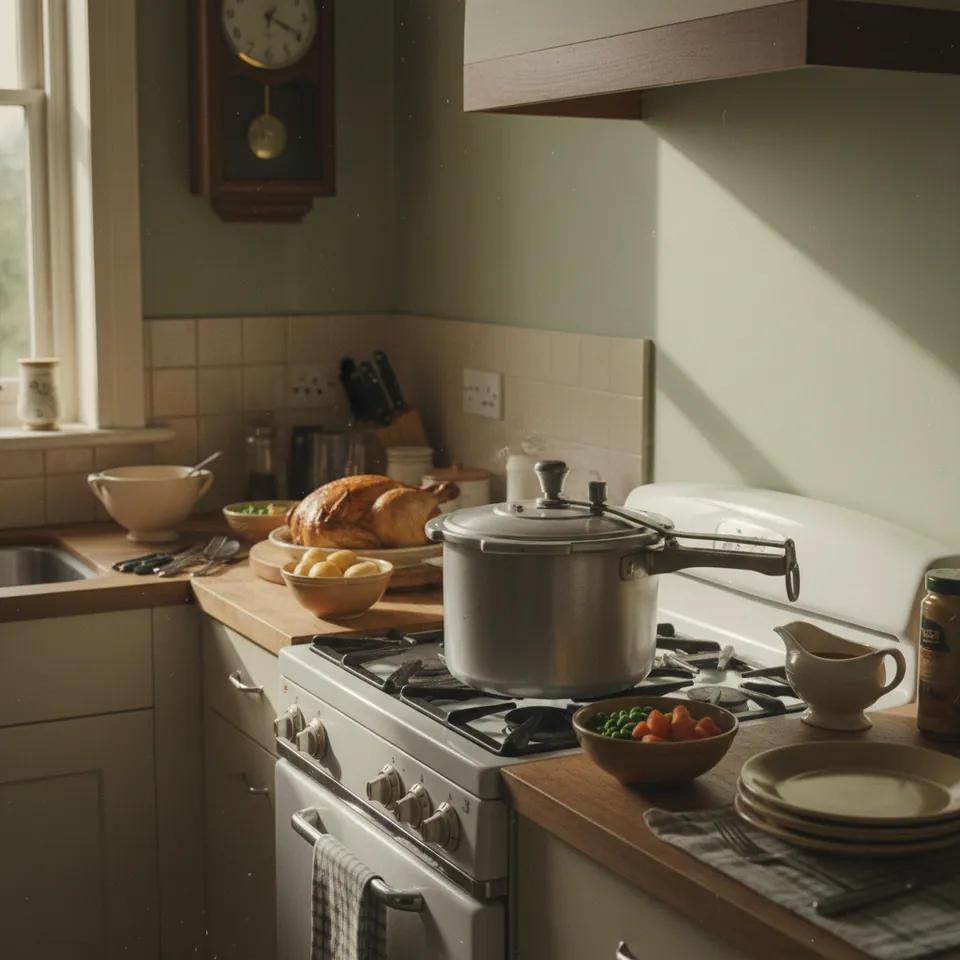
A pressure cooker shortened some cooking tasks, but it also demanded attention to the lid, pressure, and release. A 1950s model shows the controls behind a timely family meal.
Read the story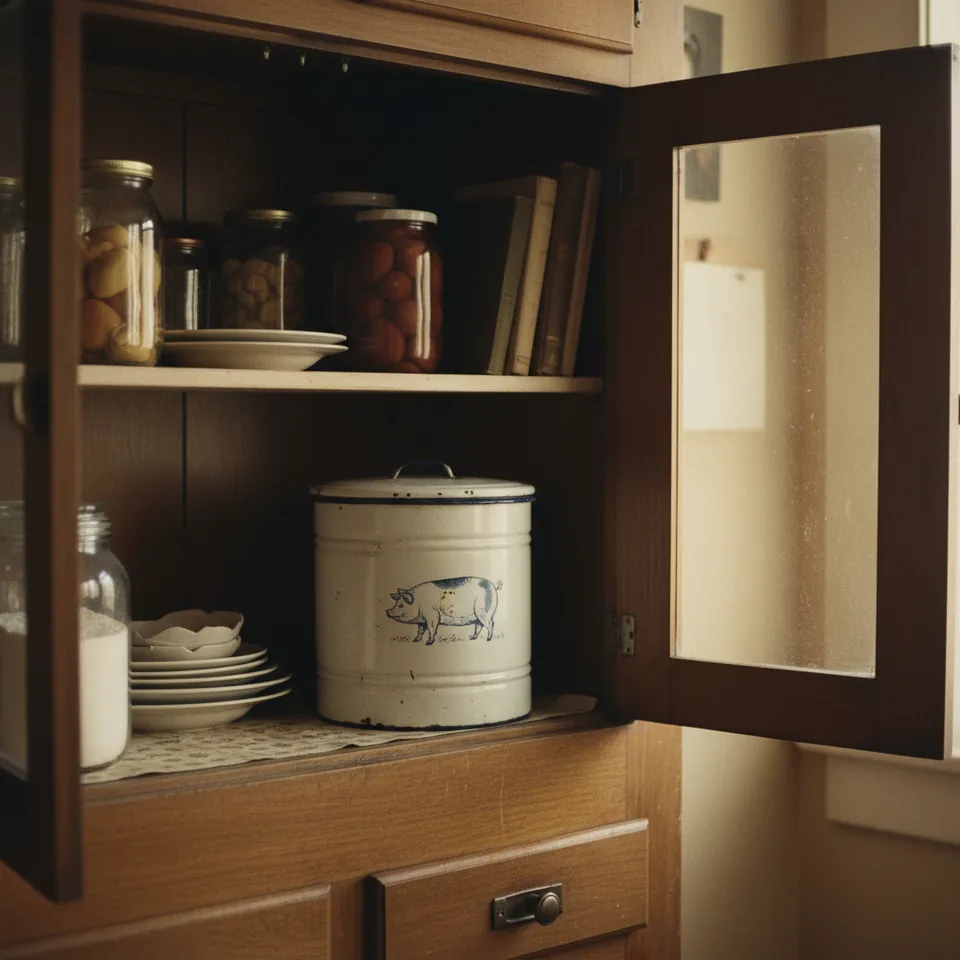
A lard pail might begin as food packaging and remain useful long after it was empty. Museum objects and a wartime photograph show how humble fat containers belonged to kitchen work.
Read the story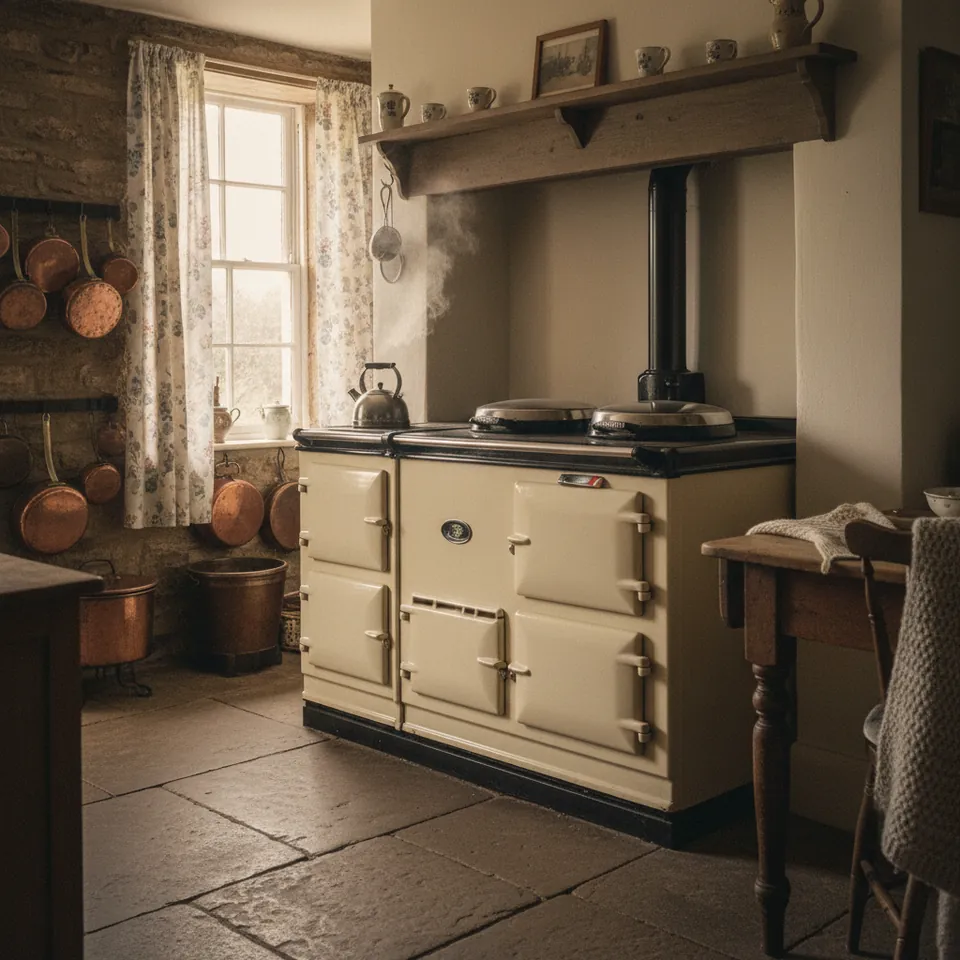
An AGA stored heat in cast iron and gave different ovens different jobs. Its steady warmth shaped how a household cooked and where people gathered, though modern models work differently.
Read the story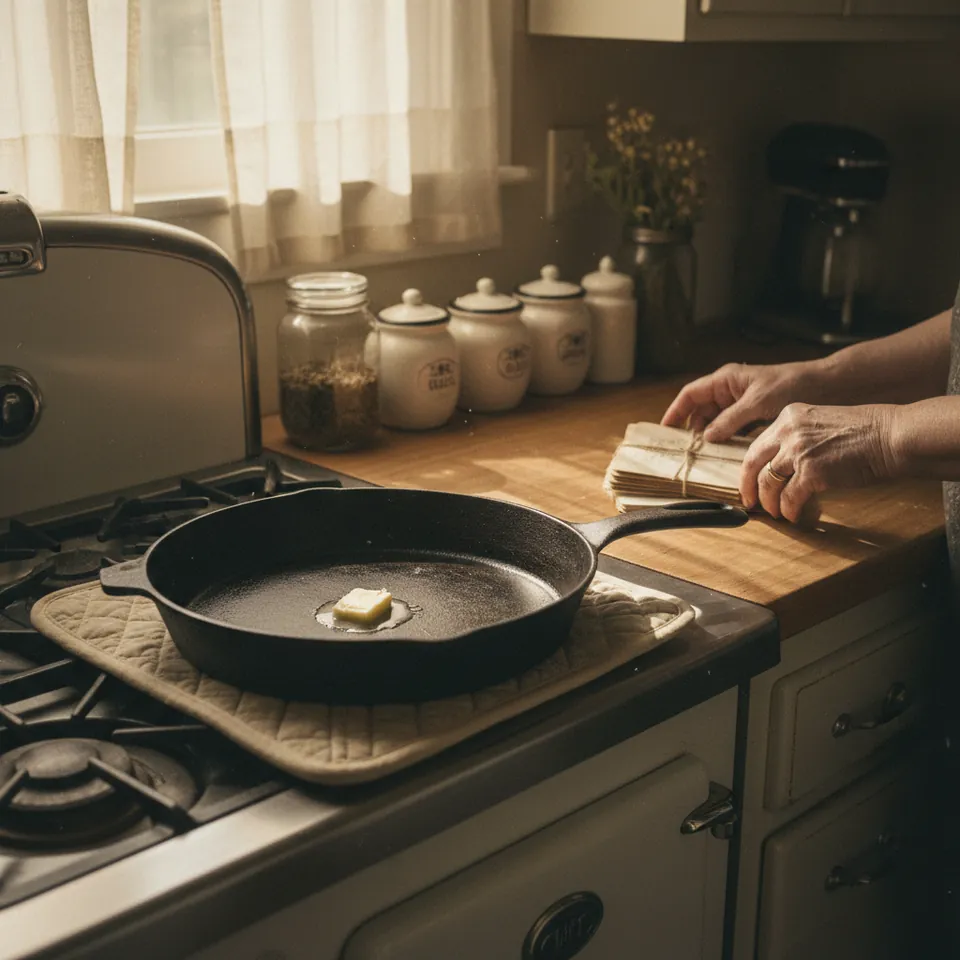
An inherited cast-iron skillet carries clues in its maker’s mark, wear, and family recipes. Its care is simpler than many handed-down rules suggest, and soap is not forbidden.
Read the story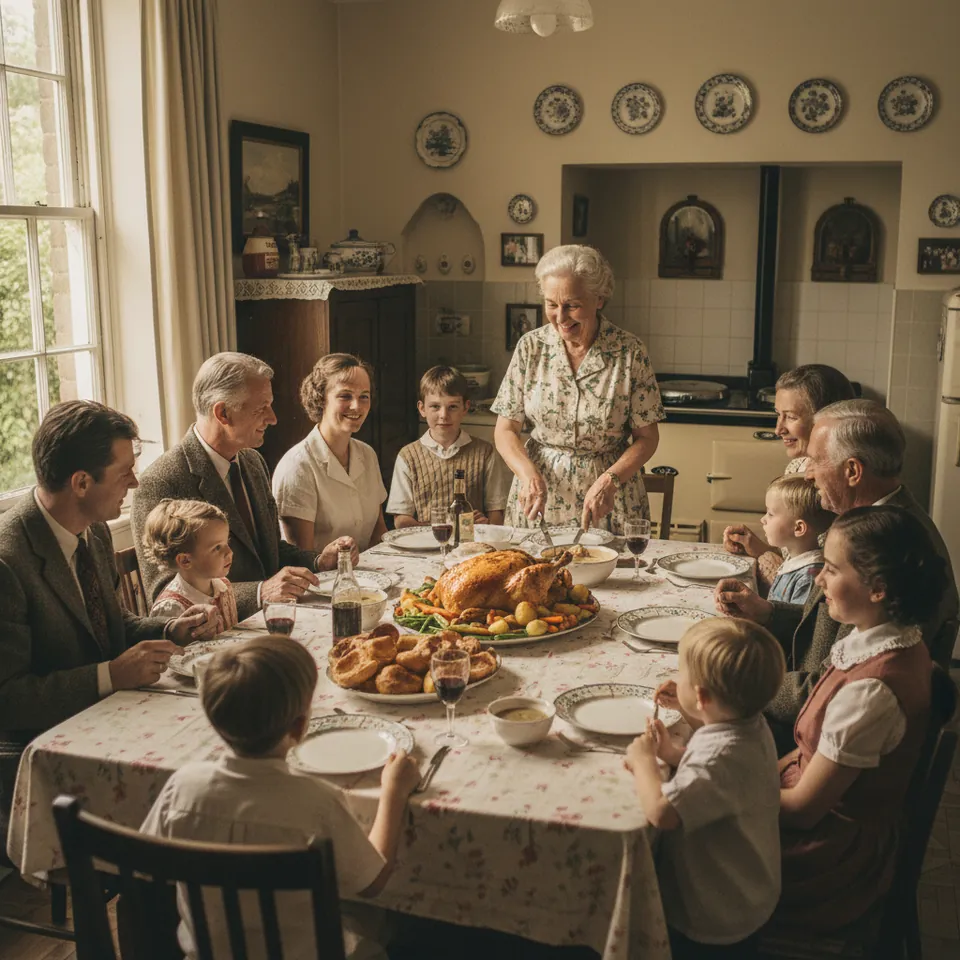
A 1959 photograph of a family roast gives a real setting for a familiar meal. The lasting memory may be the work, seating, and conversation around it.
Read the story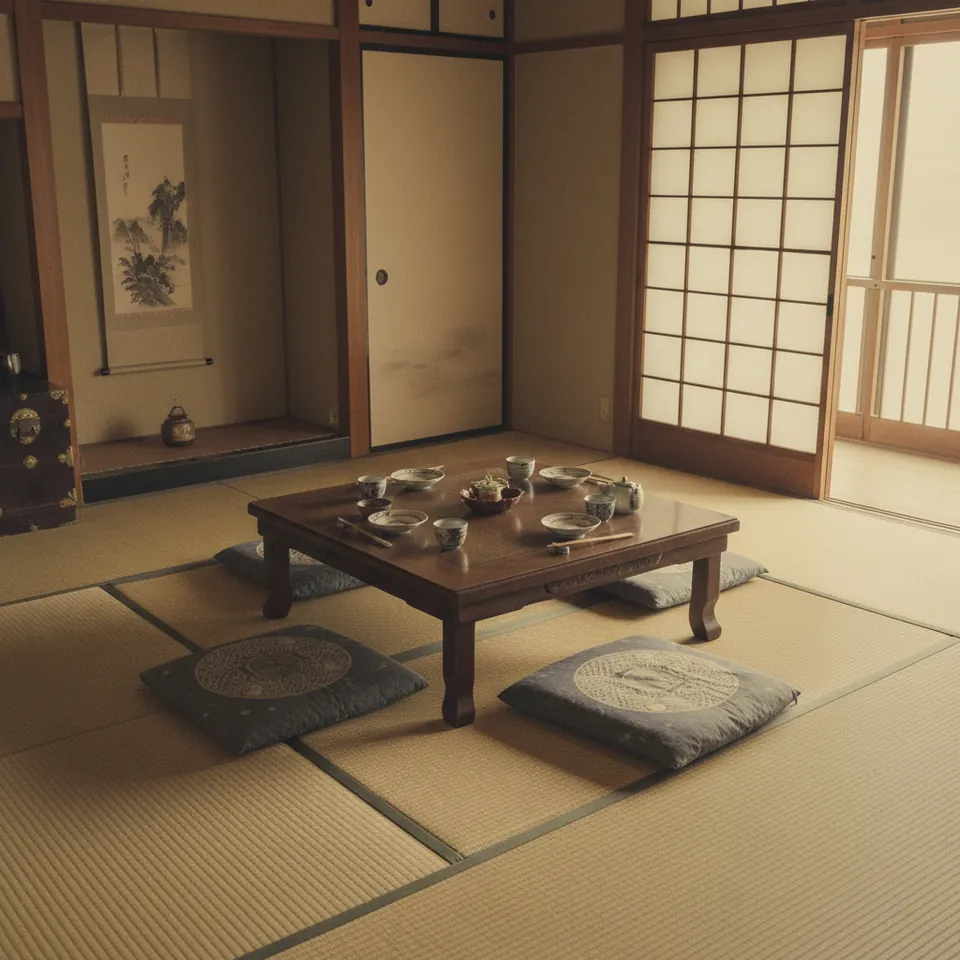
Tatami, cushions, and a low table make dining a spatial memory as well as a food memory. Museum and Japan House records help describe the room without reducing Japanese homes to one pattern.
Read the story12 memories shown of 42
Public memory submissions are currently unavailable. You can still use our free questions with your family.
Find a question ↗