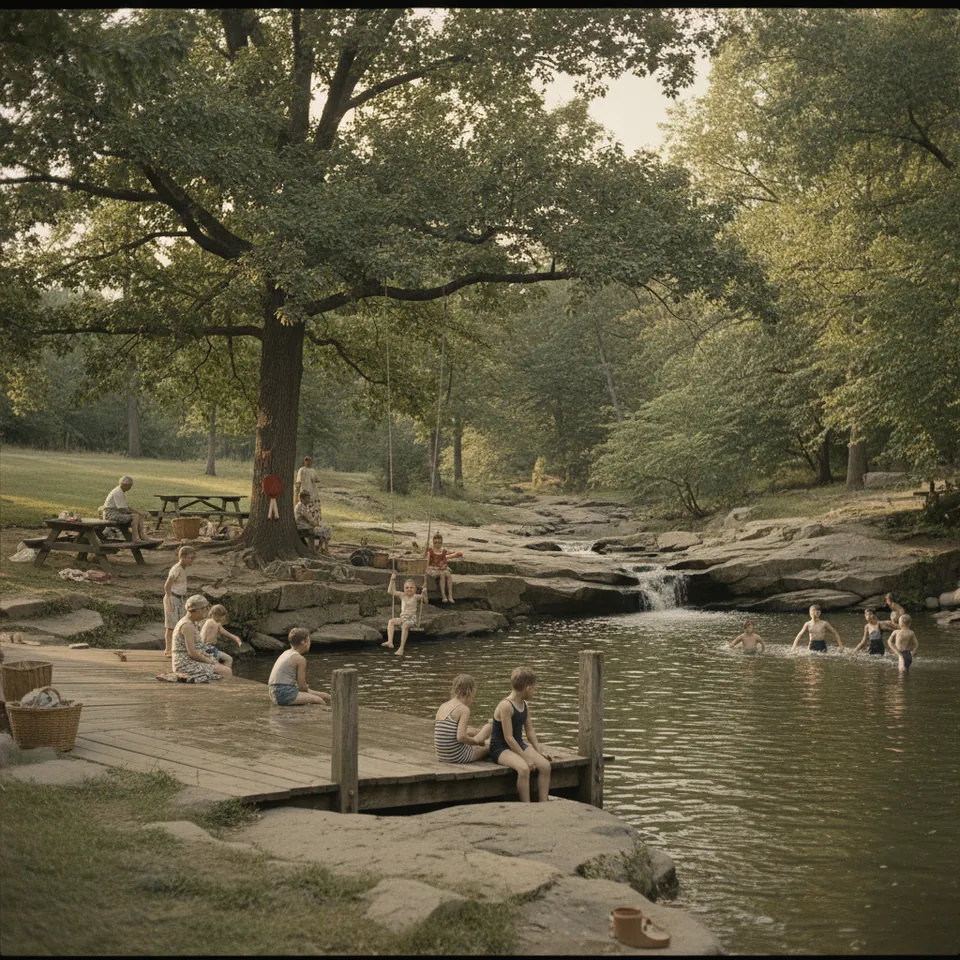
The Neighbourhood Swimming Hole
A local swimming hole was a particular place reached by a particular route. Its banks, shade, and regular visitors made the summer memory more specific than “we went swimming.”
Read the storyFamiliar faces, local places, and everyday encounters. Explore stories in the WistMem memory archive. Search for something you remember ↗
30 stories · Page 1 of 3
A local swimming hole was a particular place reached by a particular route. Its banks, shade, and regular visitors made the summer memory more specific than “we went swimming.”
Read the story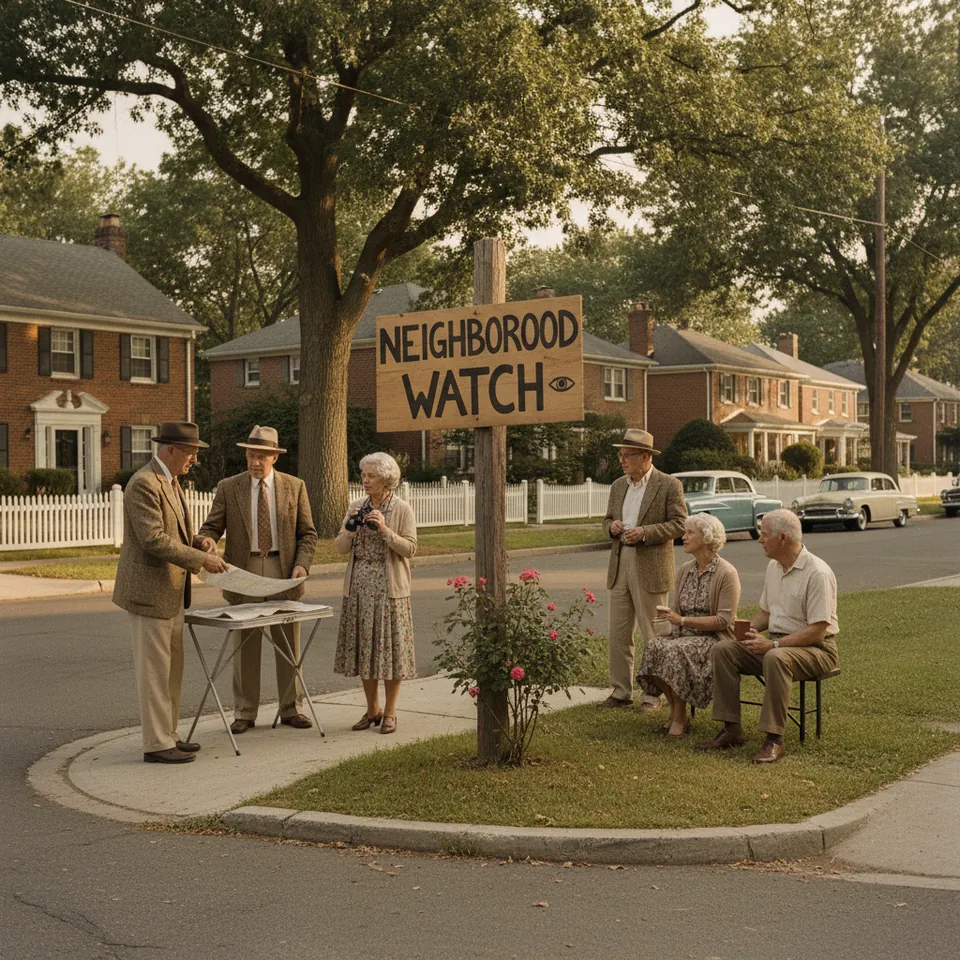
Knowing a neighbor’s usual routine could make practical help possible: taking in a parcel, noticing an absence, or checking after a storm. It depended on trust, not a formal patrol.
Read the story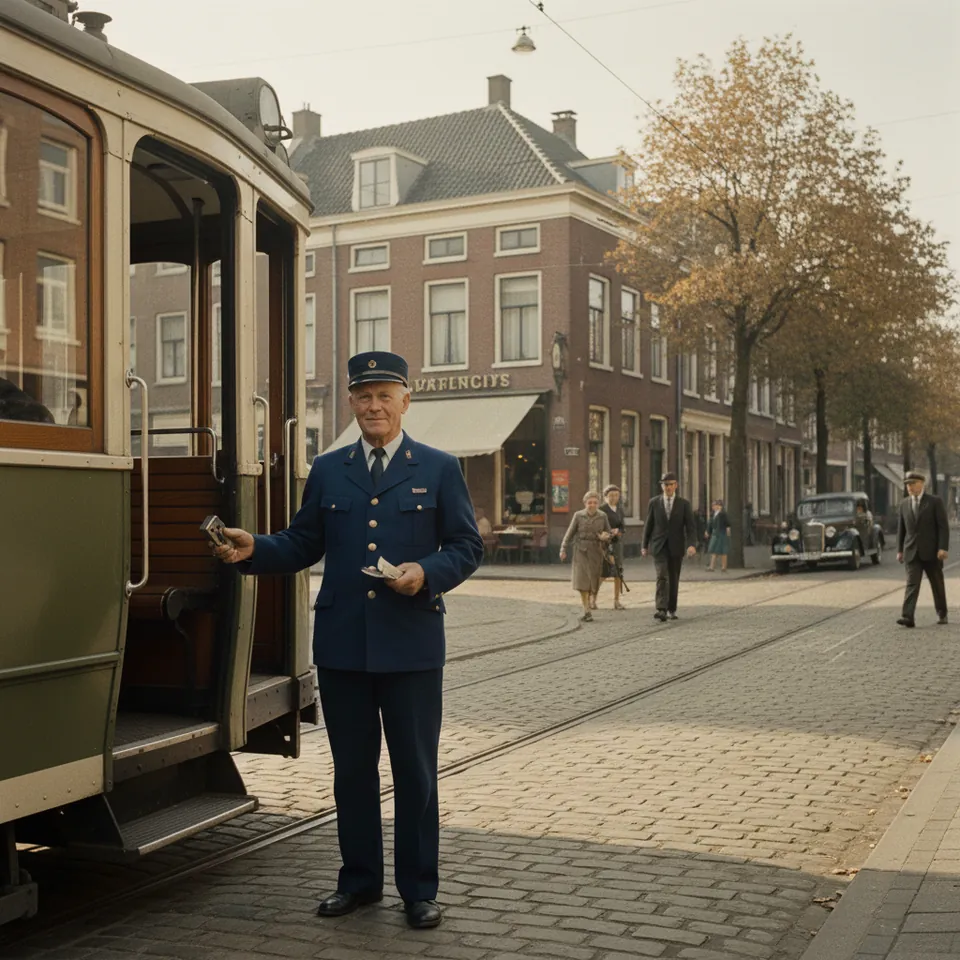
A tram conductor sold and checked fares while the carriage moved. Surviving museum signs and punches show how the little holes recorded a journey.
Read the story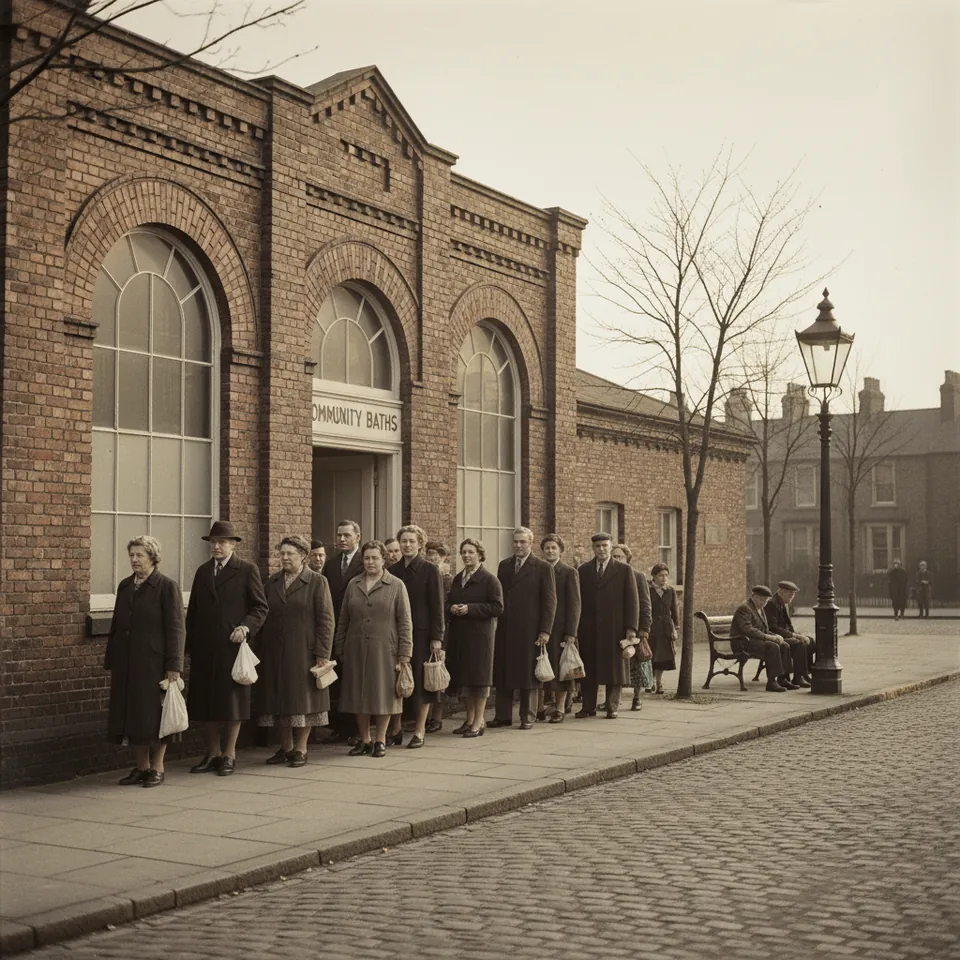
Public baths offered private washing rooms and laundry facilities in towns where a bath at home was not assured. Historic England records show the buildings behind that routine.
Read the story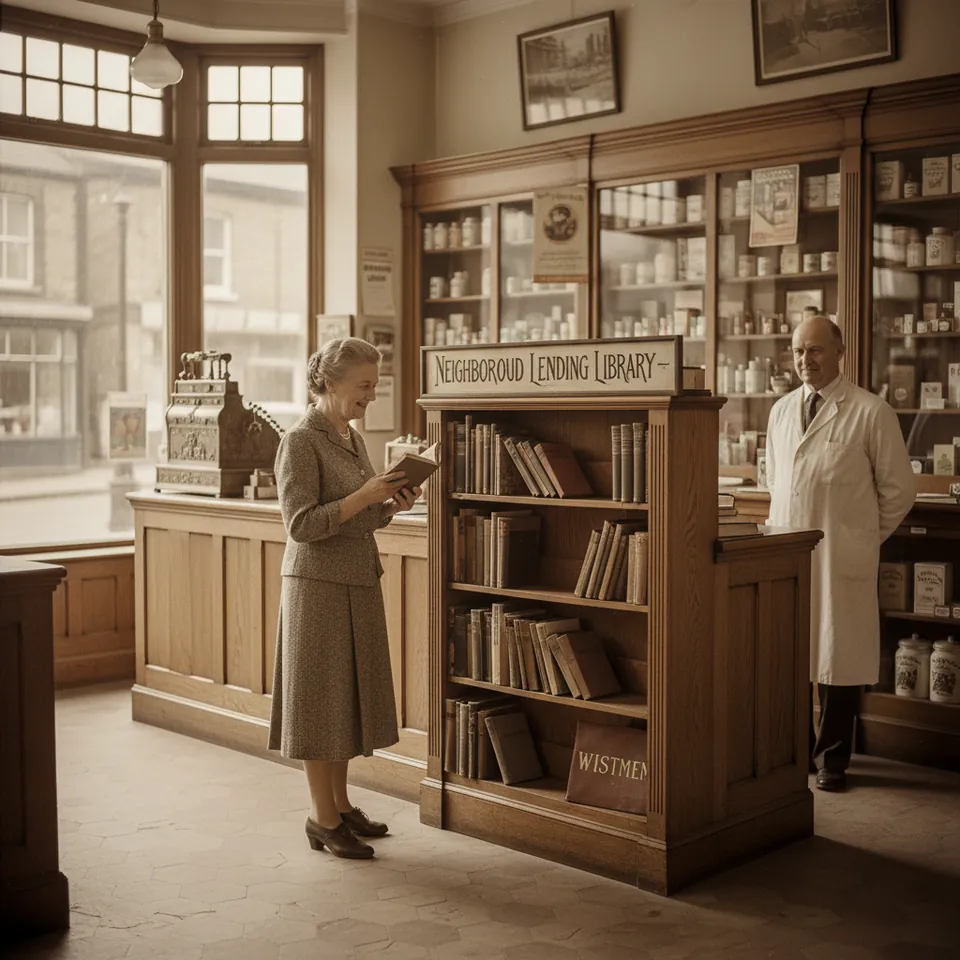
A visit to the chemist could include choosing a book, not only buying medicine. Boots’ subscription library made borrowing part of an ordinary shopping route.
Read the story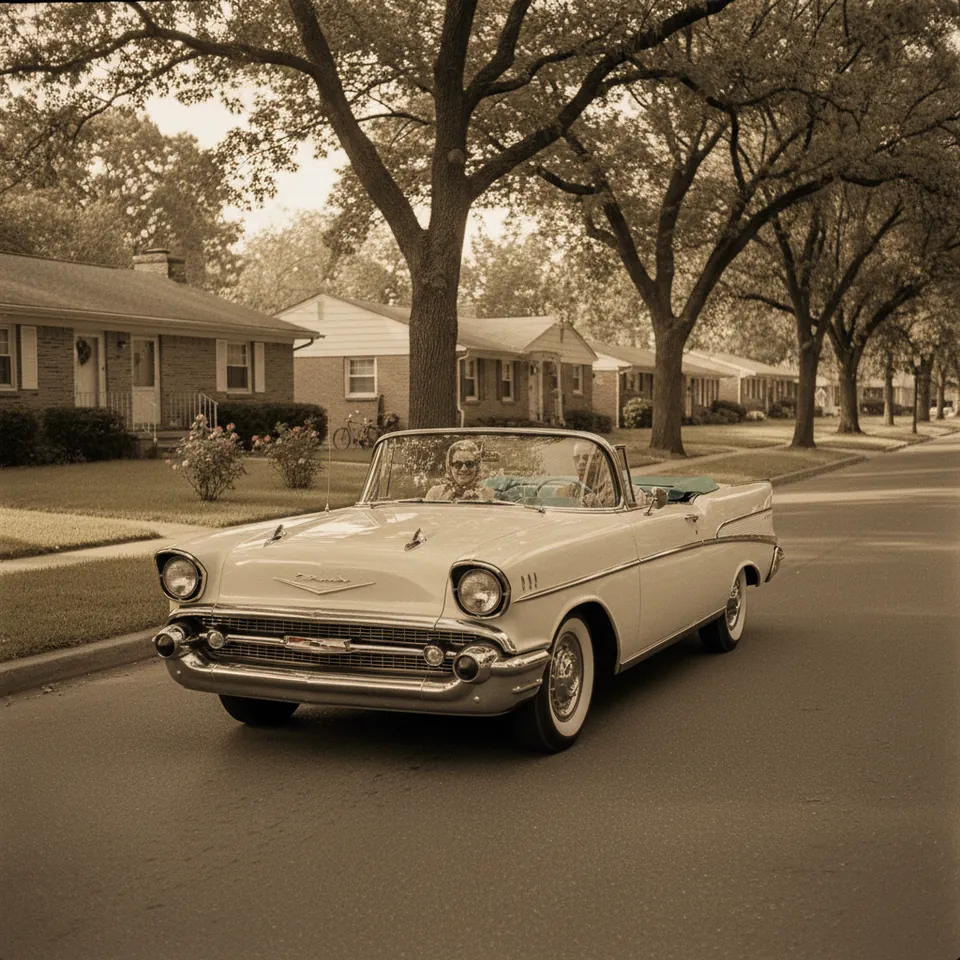
A Sunday drive could have no fixed destination and still produce a whole afternoon of shared observations, roadside stops, and arguments over the route.
Read the story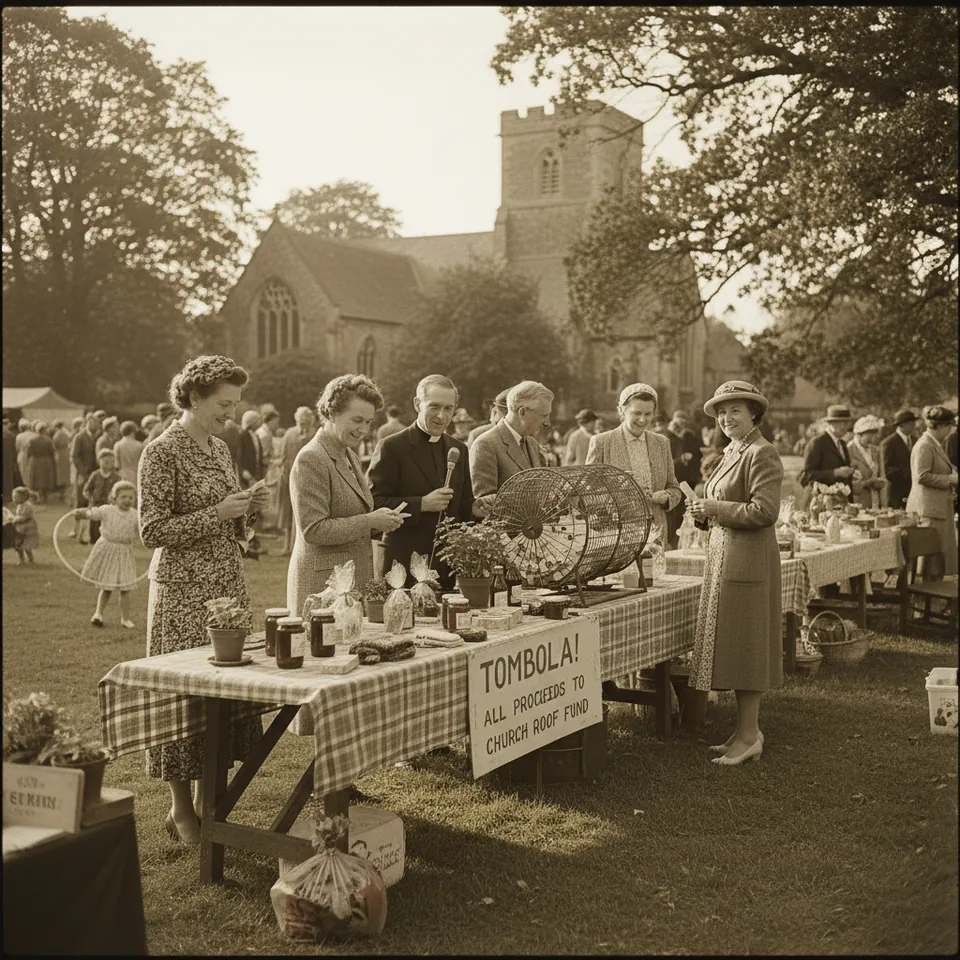
The tombola ticket was only one part of a church fête. The work of collecting prizes, setting up stalls, and accounting for the proceeds brought a parish together.
Read the story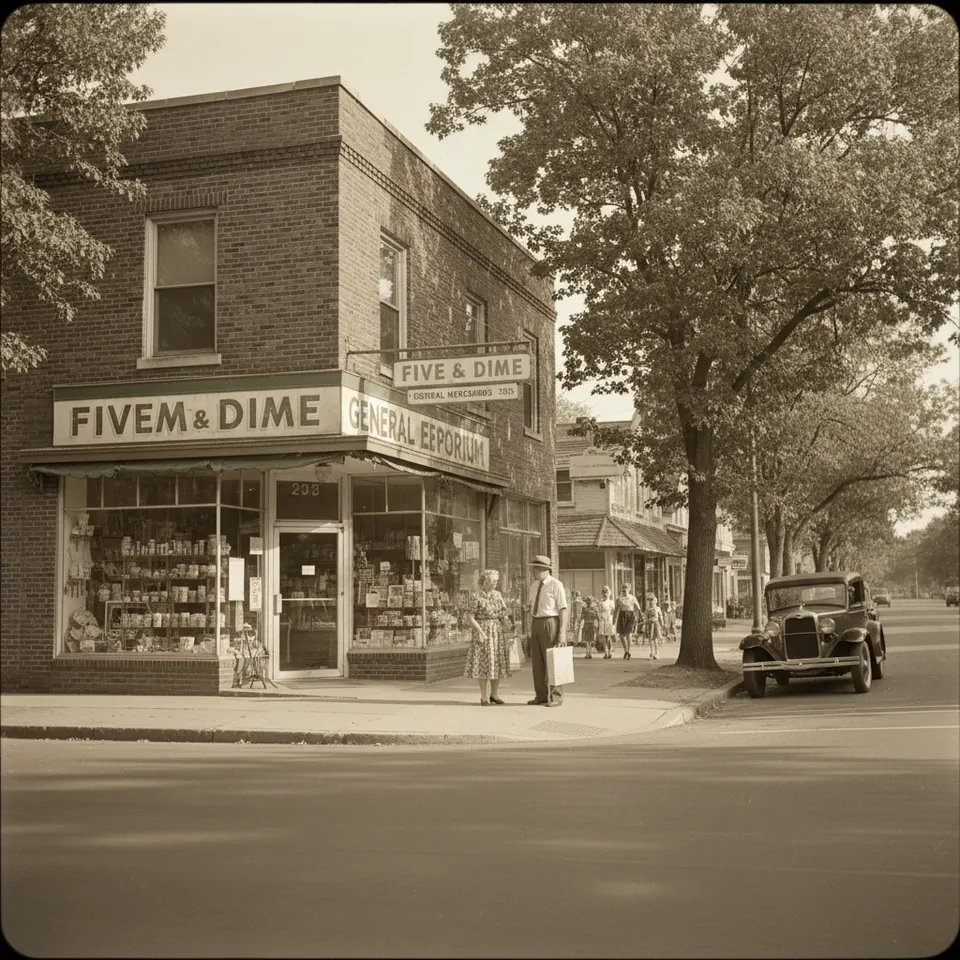
Woolworth built a variety-store model around five- and ten-cent goods. The aisles invited a different kind of browsing, while their lunch counters later became sites of civil-rights protest.
Read the story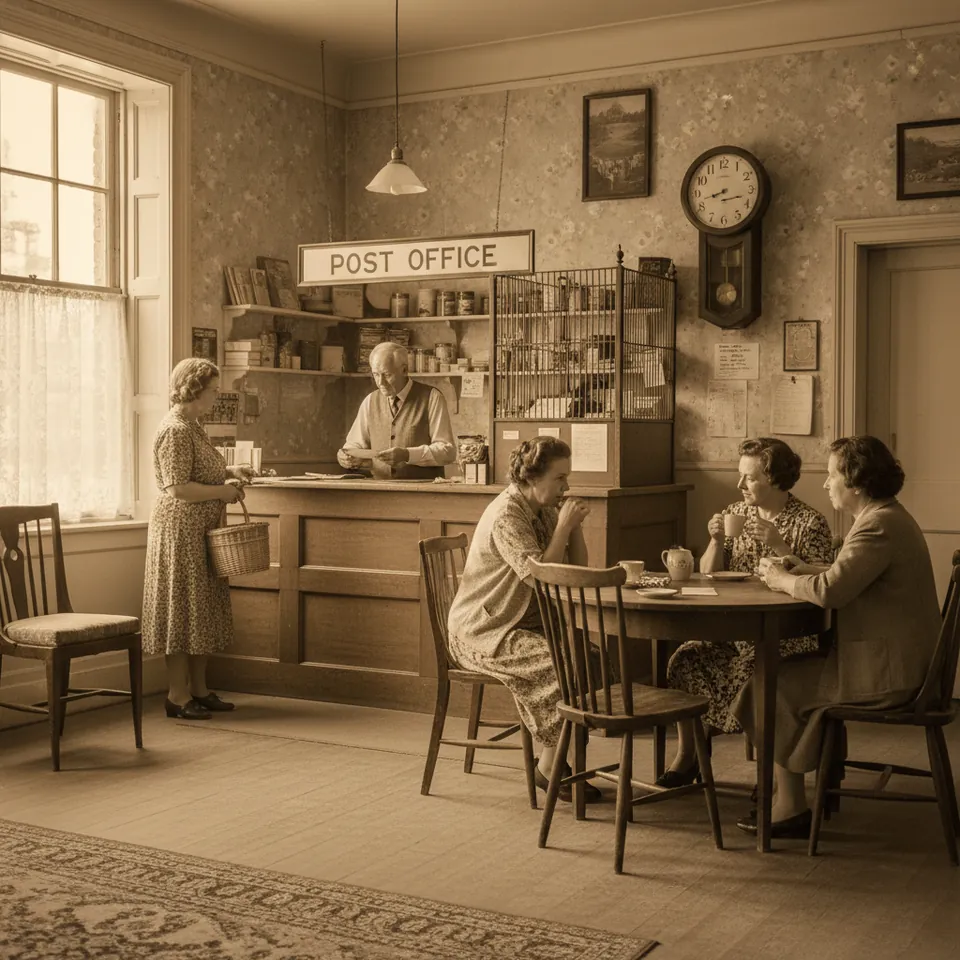
A village post office gave residents a nearby place to send letters and handle other essentials. The queue and counter also created a regular meeting point.
Read the story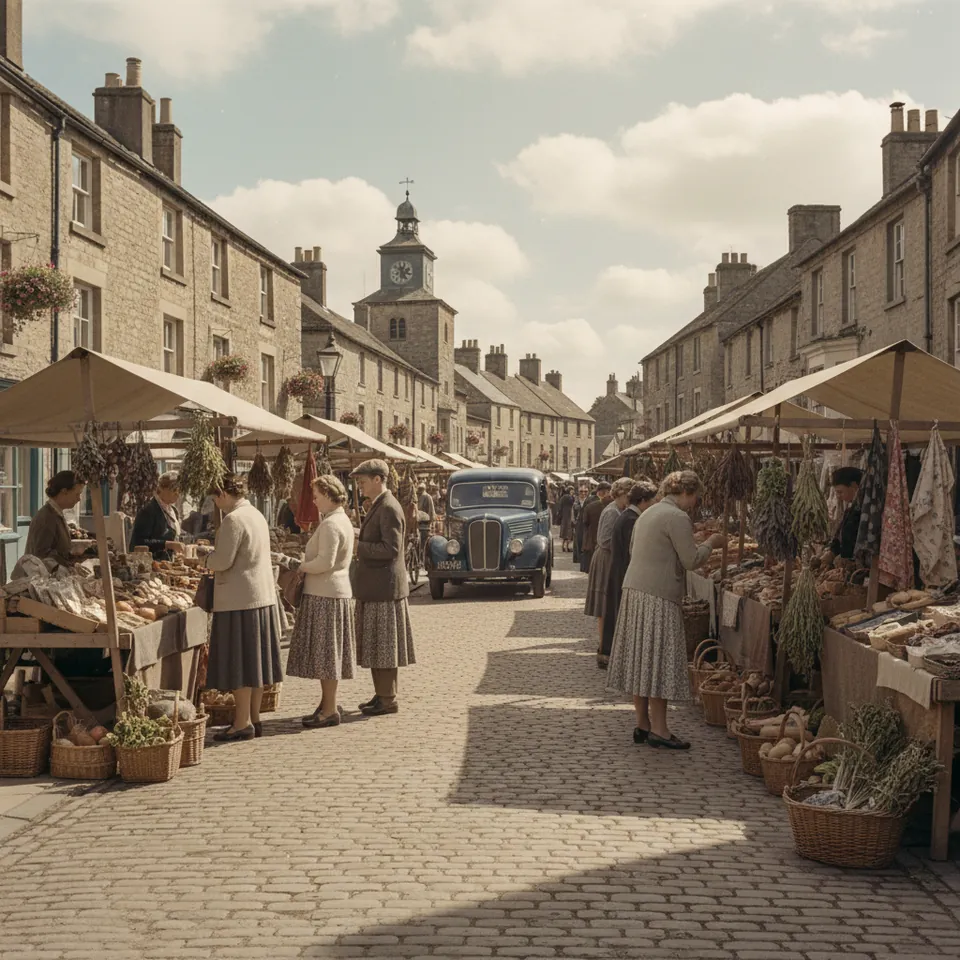
A travelling market arrived, assembled, traded, and disappeared within a day. Historic market records show how temporary stalls worked alongside permanent high-street shops.
Read the story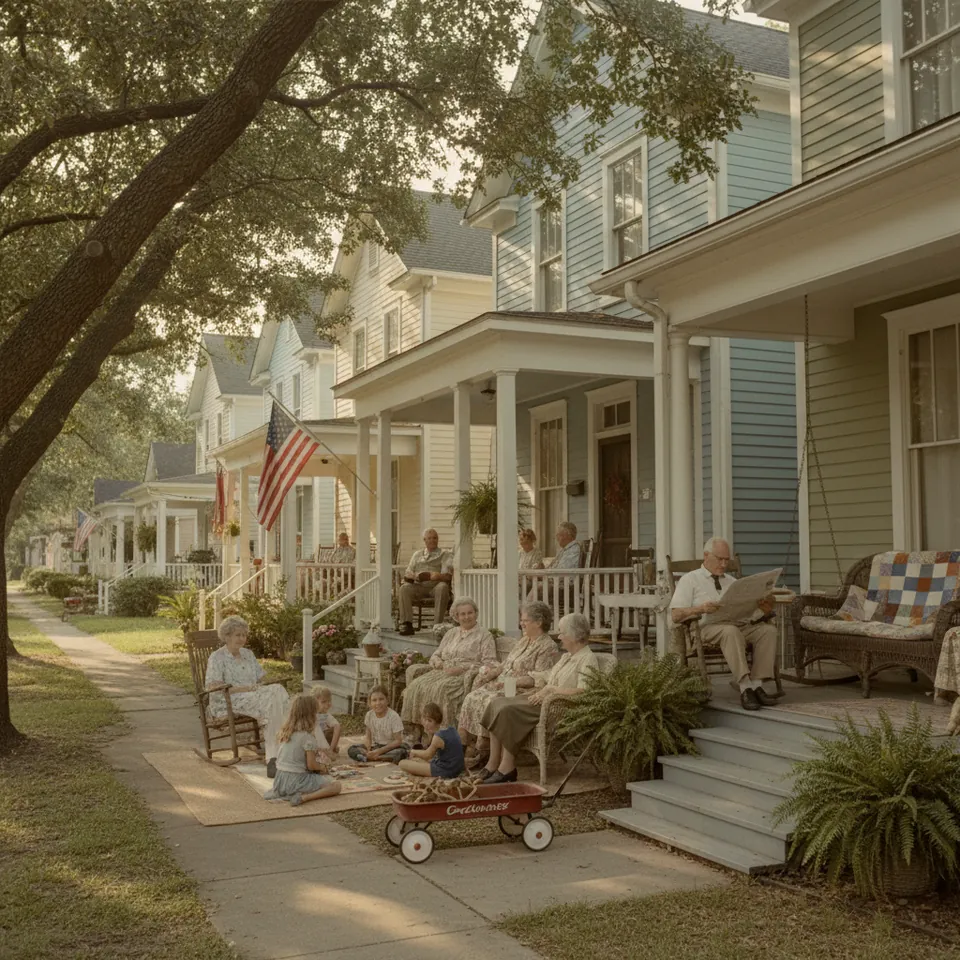
A porch could offer shade, a place for children, and a way to greet neighbors without arranging a visit. Historic photographs show how varied those settings were.
Read the story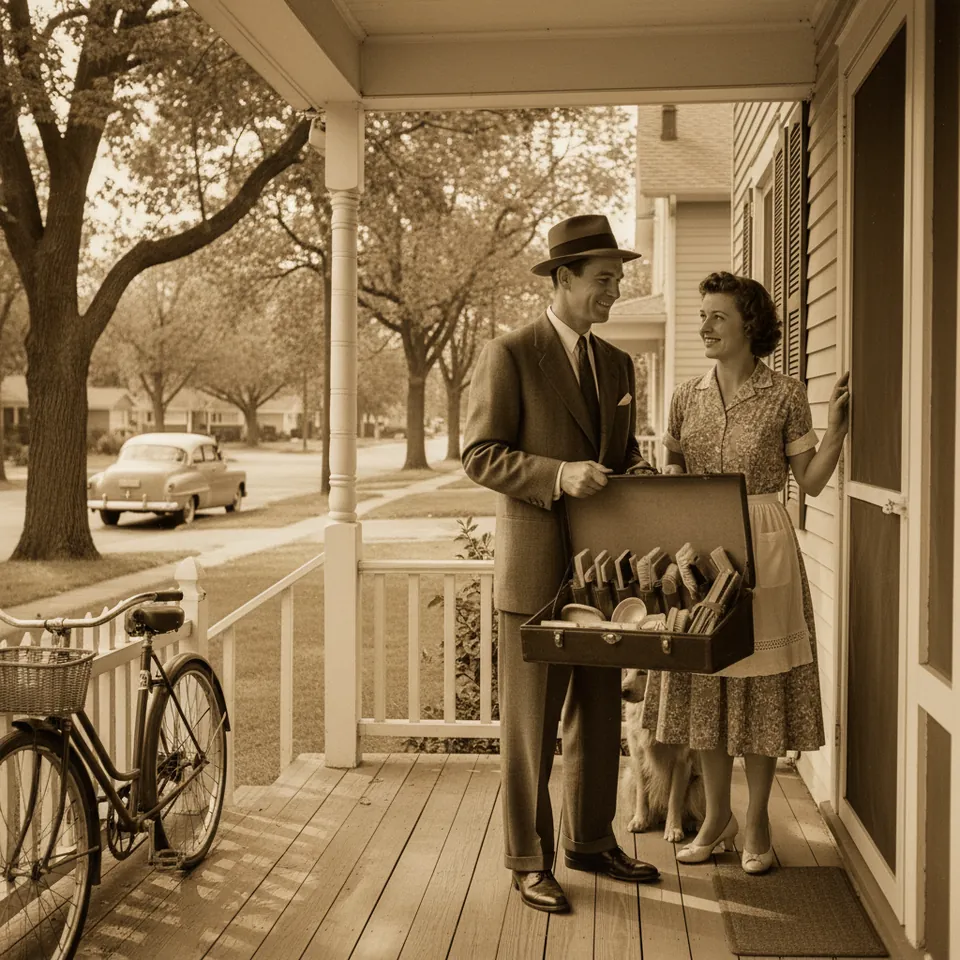
A travelling salesman brought goods or a catalogue to customers rather than waiting in a shop. Library of Congress records show both the work and the uncertain response at the door.
Read the story12 memories shown of 30
Public memory submissions are currently unavailable. You can still use our free questions with your family.
Find a question ↗