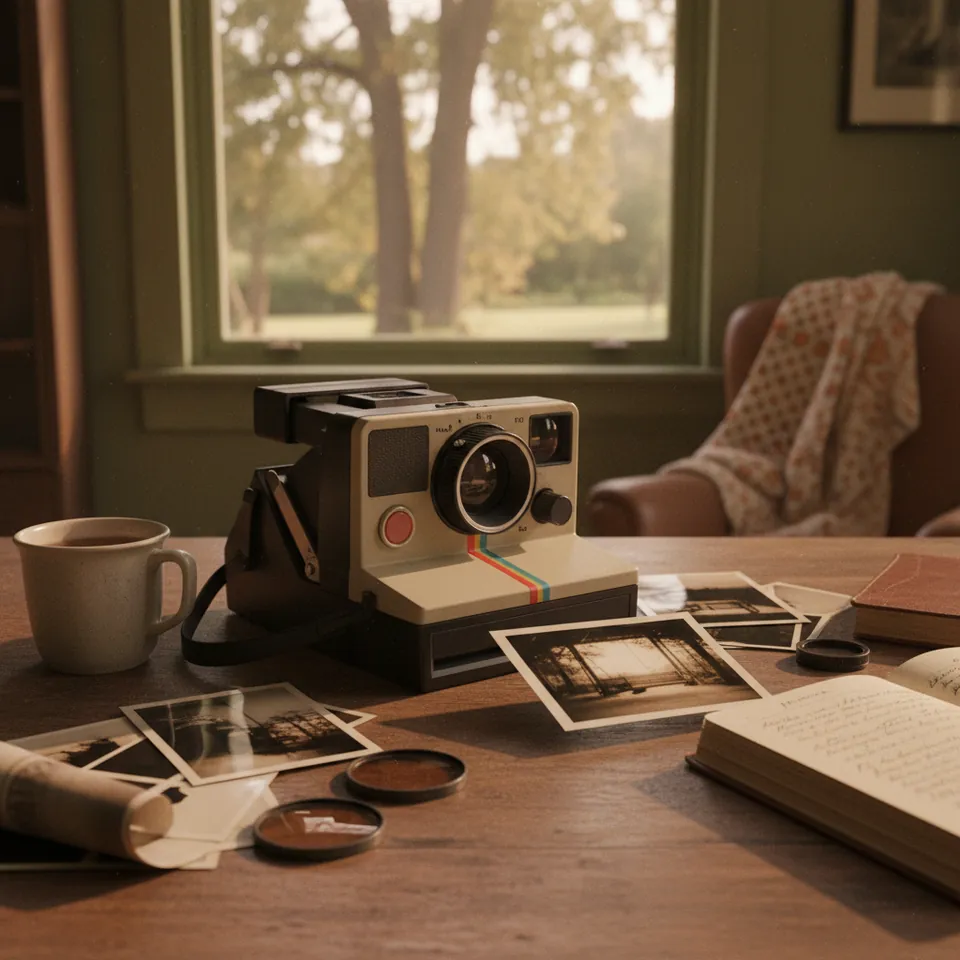
The Polaroid Camera at the Family Gathering
The SX-70 made an instant photograph a social object: one person took it, others watched it appear, and someone decided who kept the single print.
Read the storyThe clicks, rings, and winding dials we remember. Explore stories in the WistMem memory archive. Search for something you remember ↗
25 stories · Page 1 of 3
The SX-70 made an instant photograph a social object: one person took it, others watched it appear, and someone decided who kept the single print.
Read the story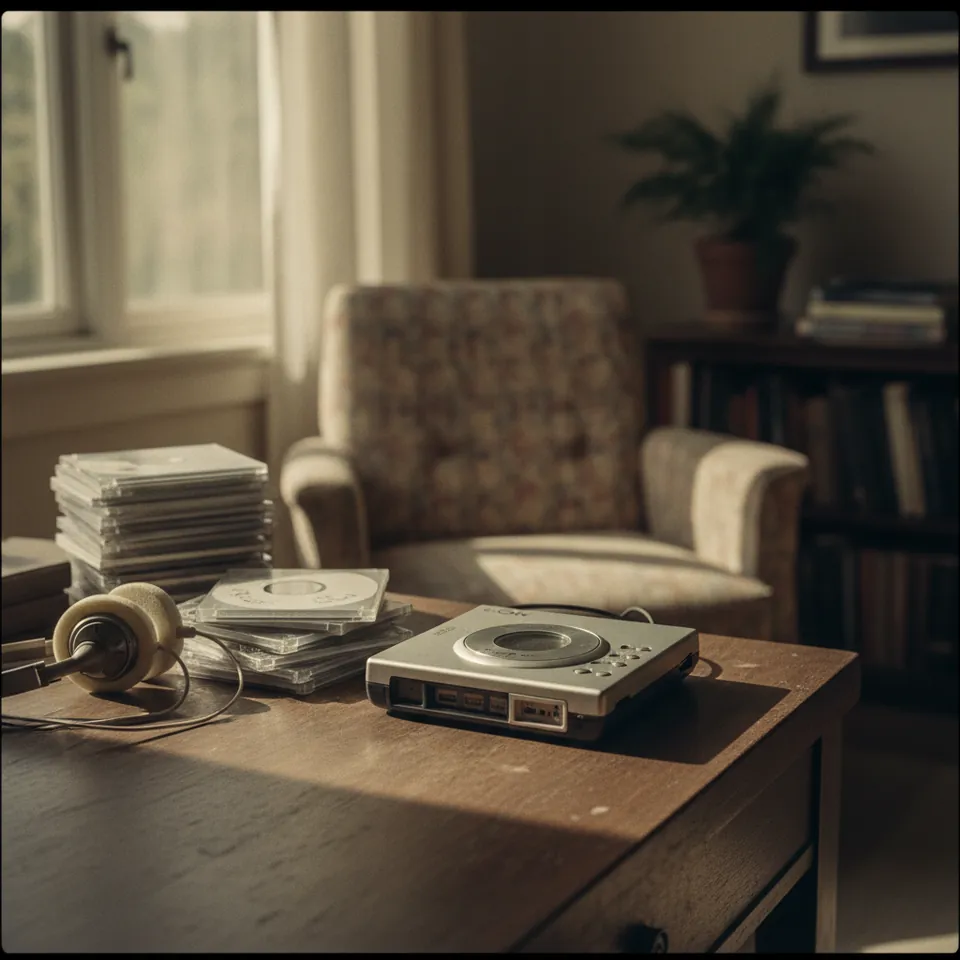
Sony introduced MiniDisc in 1992 as a small digital format that could record, edit, and skip quickly between tracks. Its appeal was more specific than replacing every CD.
Read the story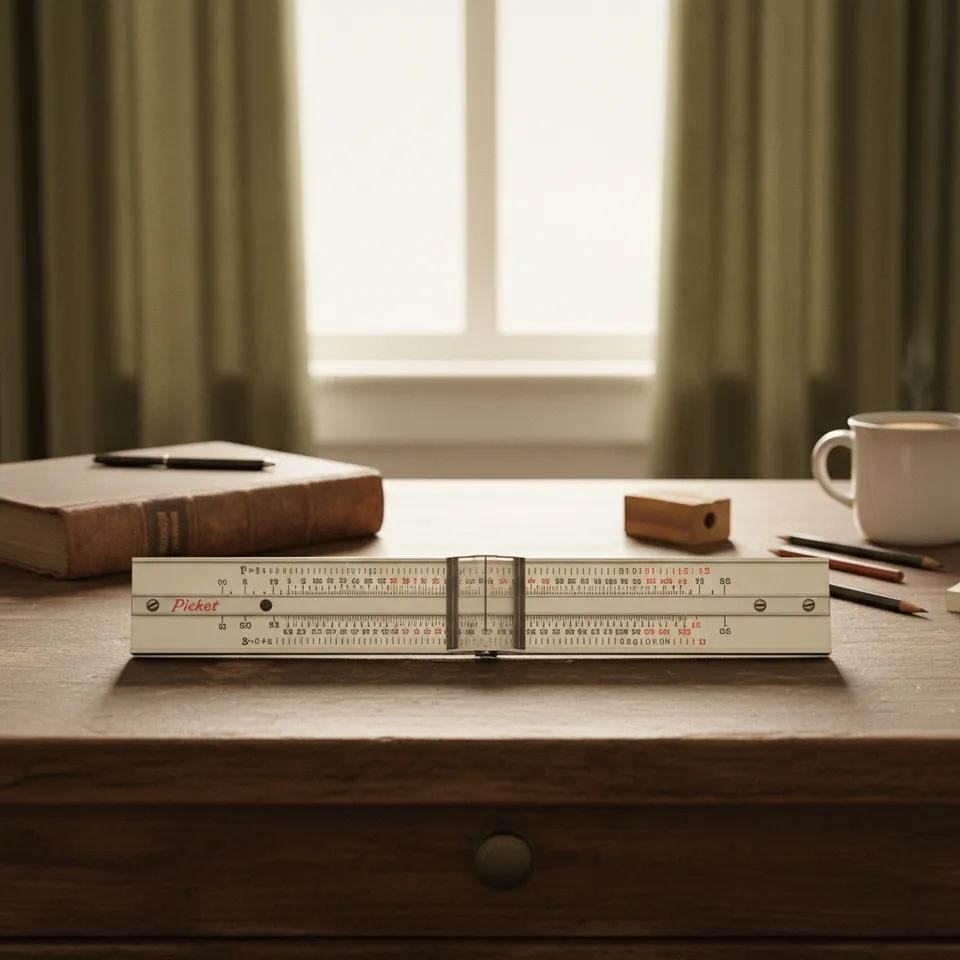
A slide rule turned multiplication and division into movement along marked scales. Its user still had to know whether the answer made sense.
Read the story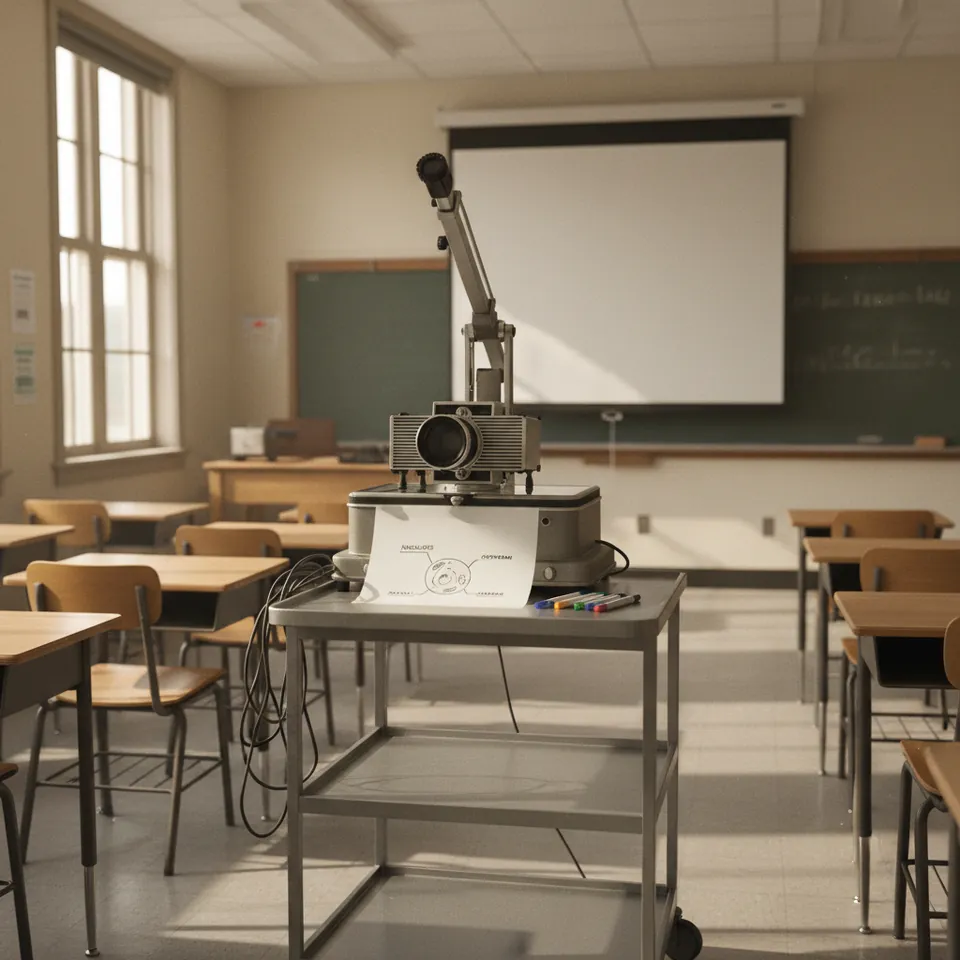
The overhead projector let a teacher write, reveal, and rearrange material while facing the class. Its light turned a small sheet into a shared page.
Read the story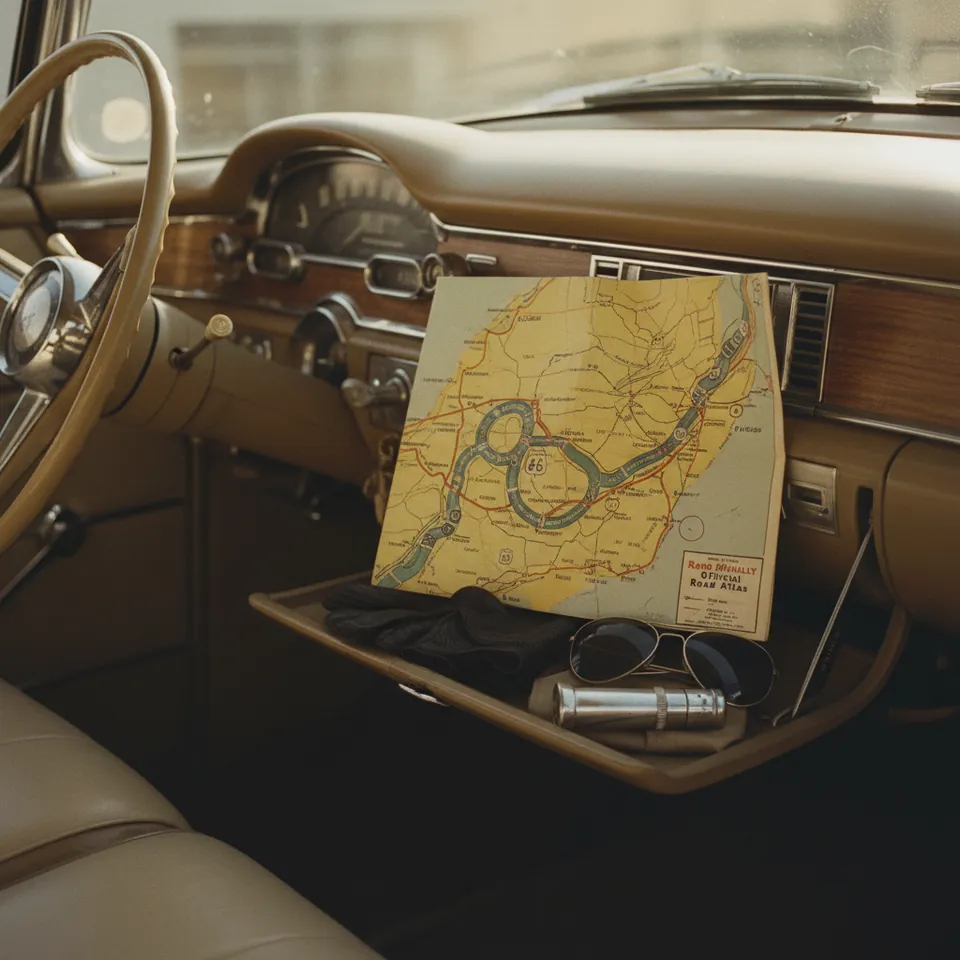
A printed road map made a driver and navigator share a route. Its folds held alternate roads, stopping places, and the marks left by previous trips.
Read the story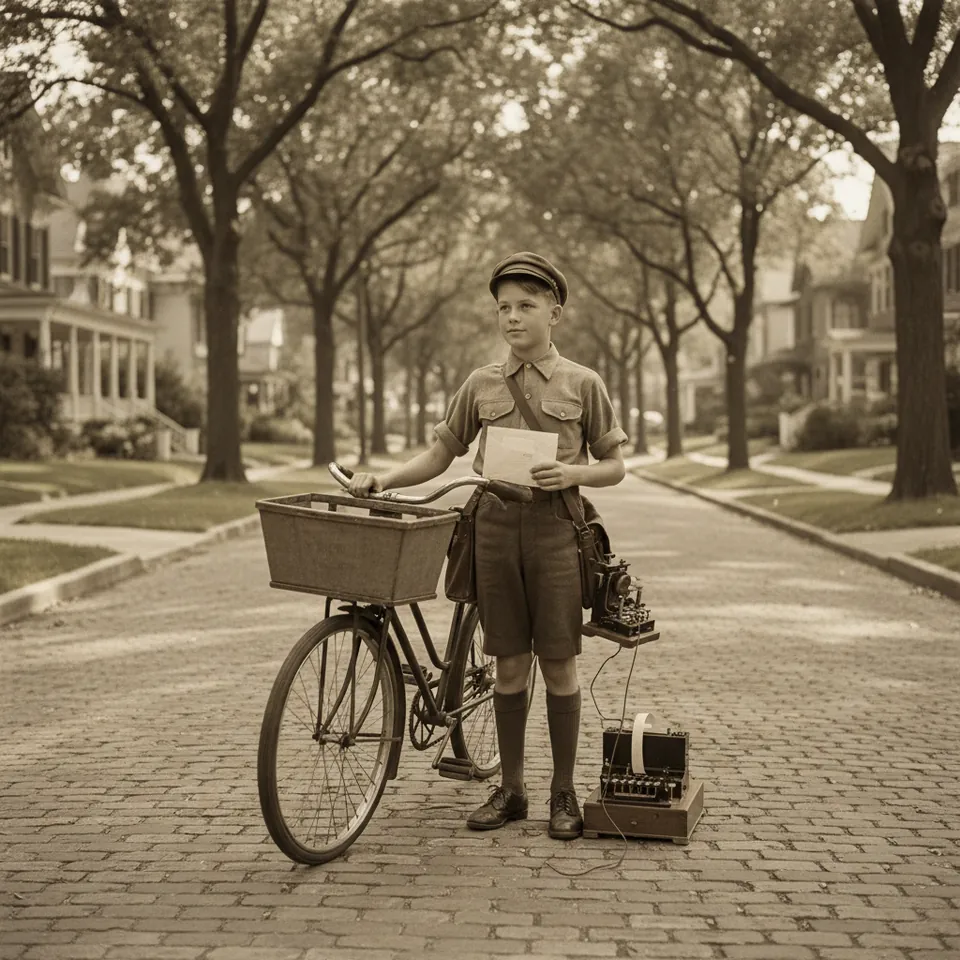
The wire could carry words quickly across distance, but a messenger often brought the paper to the recipient. The knock could bring joy, business, or fear.
Read the story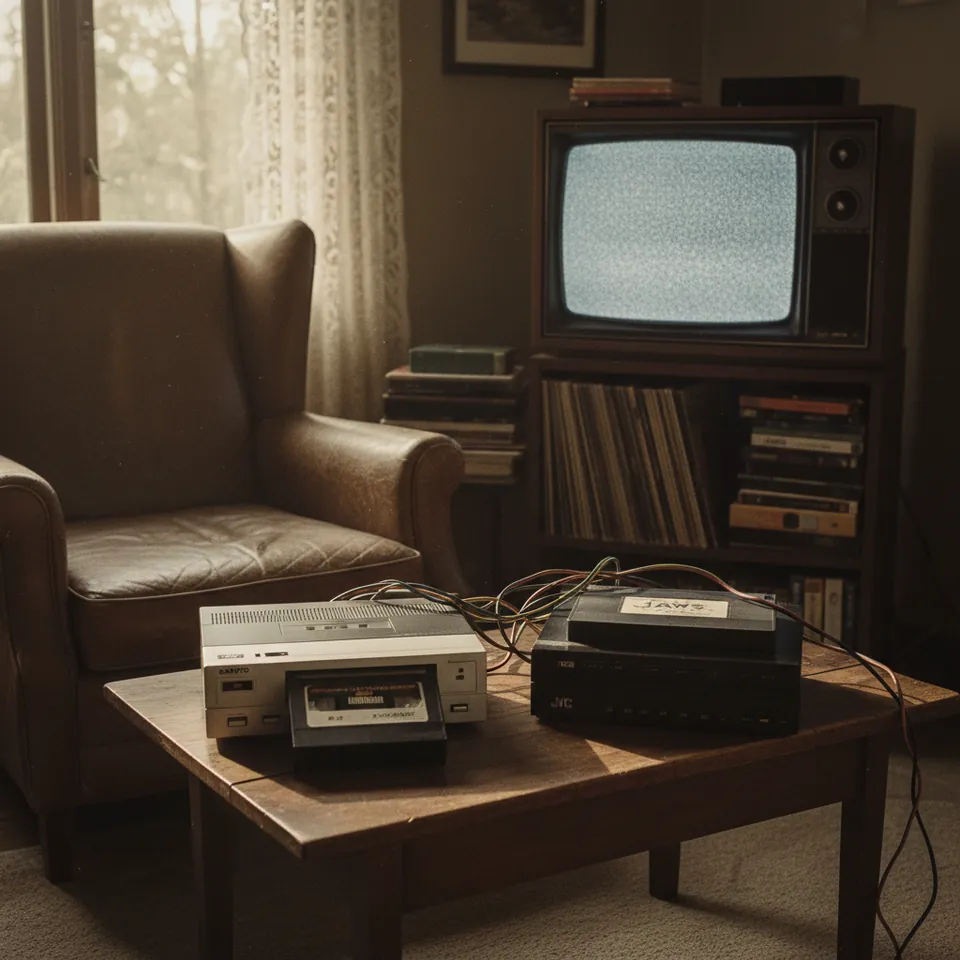
Sony's own history says Beta and VHS tapes could not play in each other's machines. A two-hour VHS cassette and the growing rental market helped determine which system households encountered.
Read the story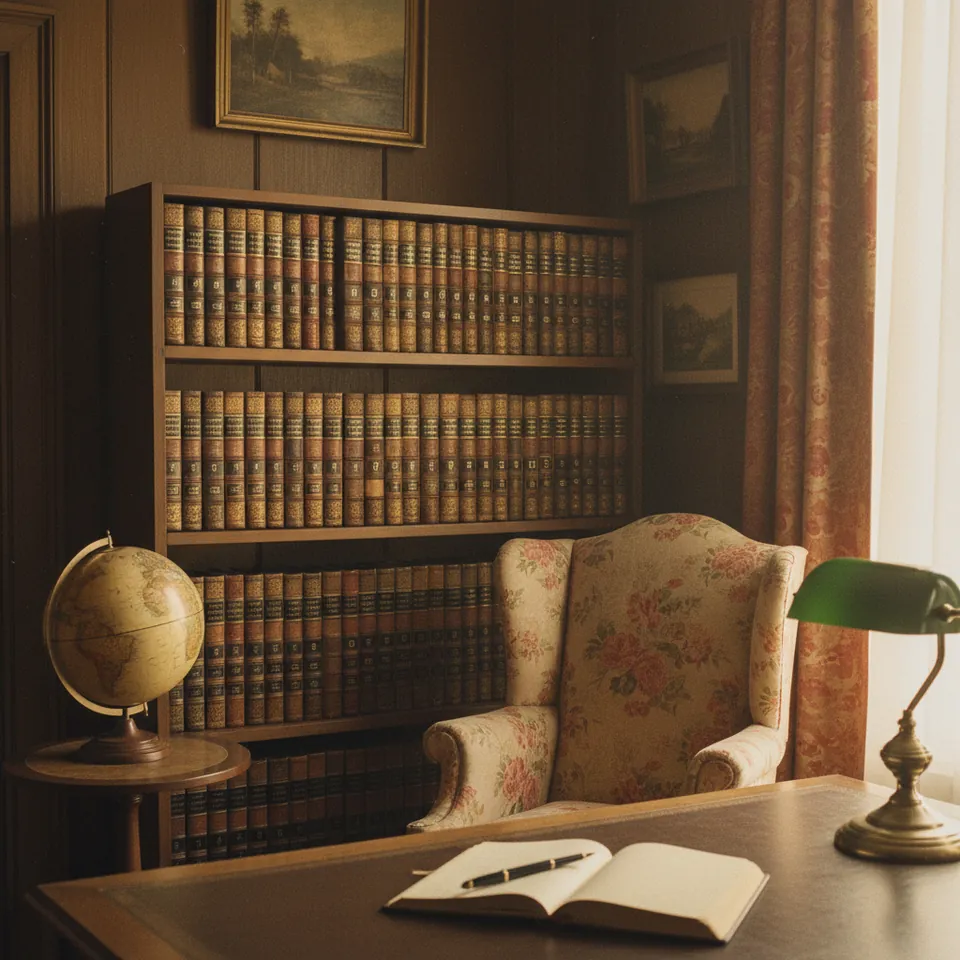
A Britannica set asked readers to move between an index, short entries, and longer articles. The search could teach more than the original question.
Read the story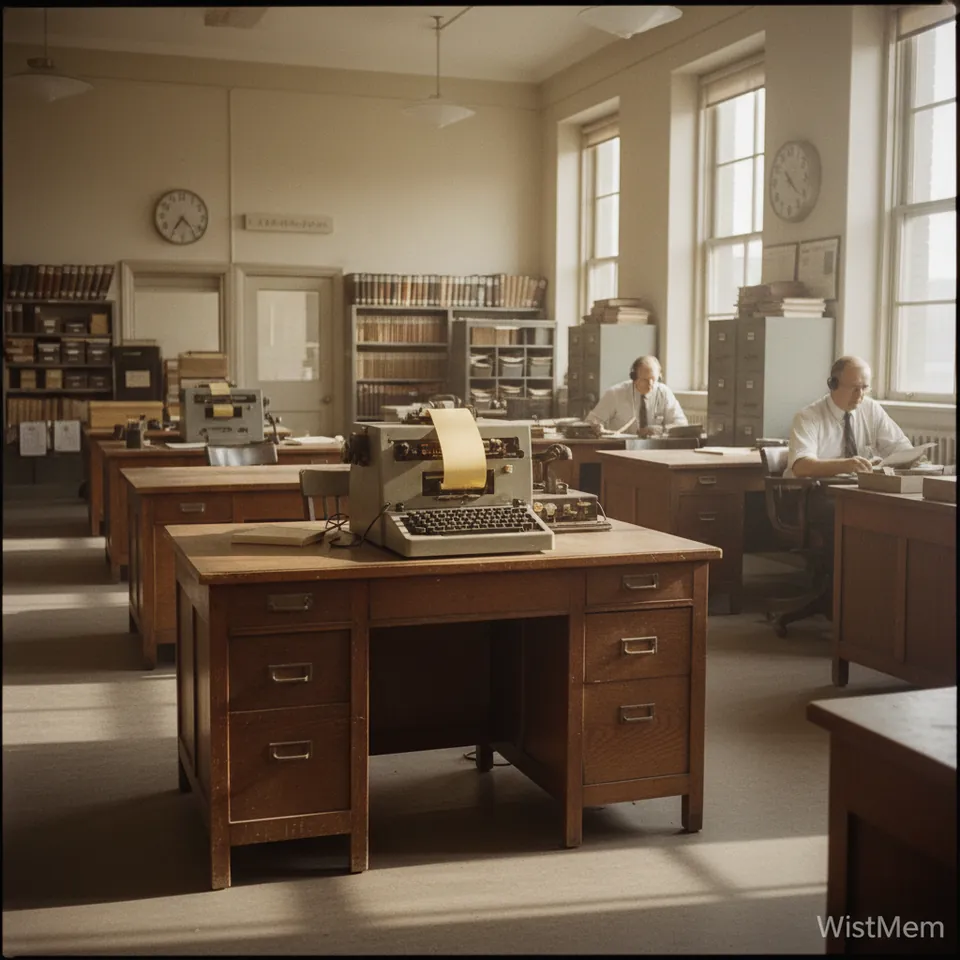
Telex made distant words appear in a newsroom on paper. Editors still had to judge urgency, verify details, and turn incoming copy into a story.
Read the storyThe familiar wave of an instant print made waiting feel active, but Polaroid says shaking can damage a developing image. Here is what happens inside the film and why the ritual endured.
Read the story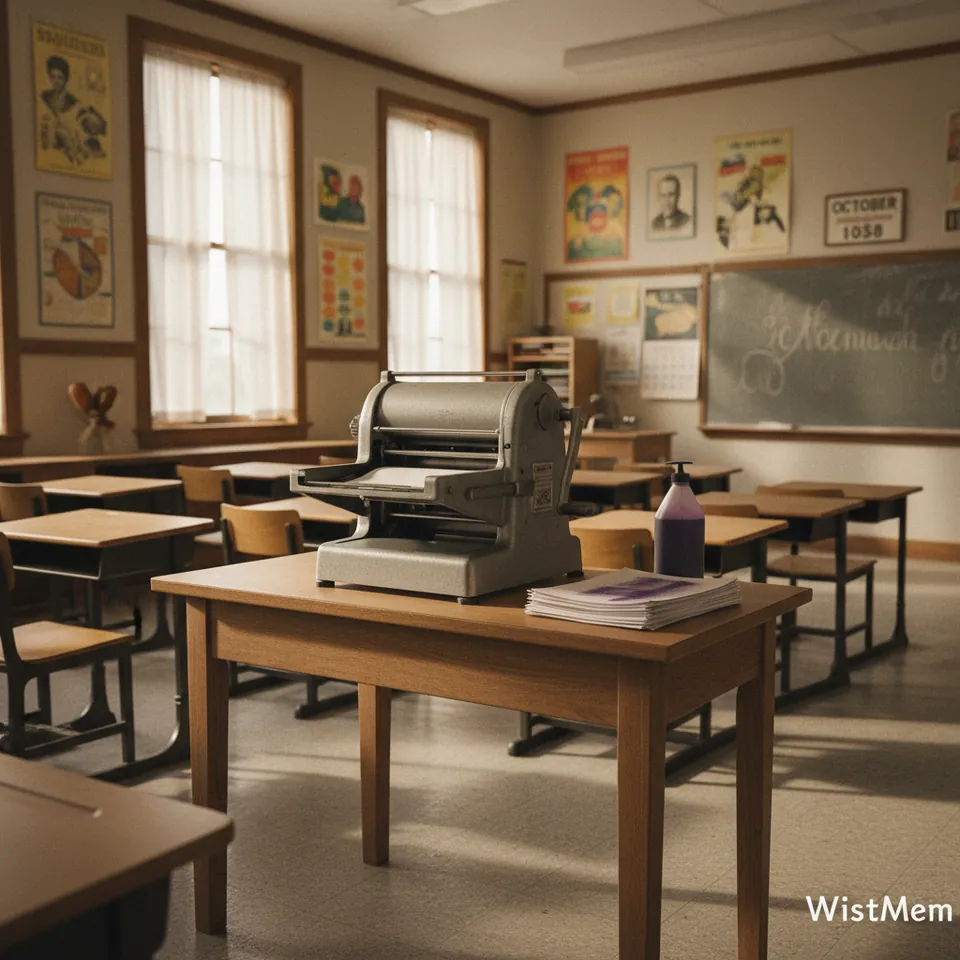
Before easy photocopying, a mimeograph could reproduce worksheets and notices from a stencil. Preparing the master was the careful part.
Read the story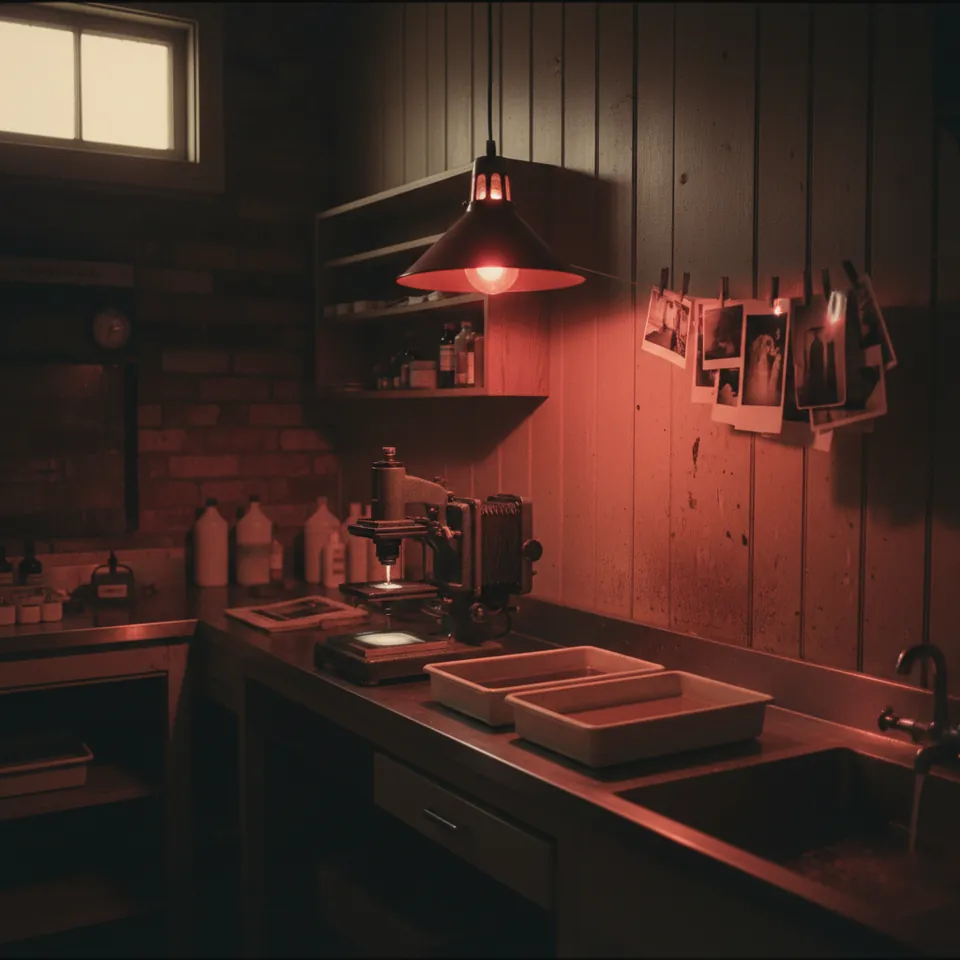
A red safelight helped with some black-and-white printing steps, but exposed film was handled in darkness. A Library of Congress demonstration makes the distinction clear.
Read the story12 memories shown of 25
Public memory submissions are currently unavailable. You can still use our free questions with your family.
Find a question ↗