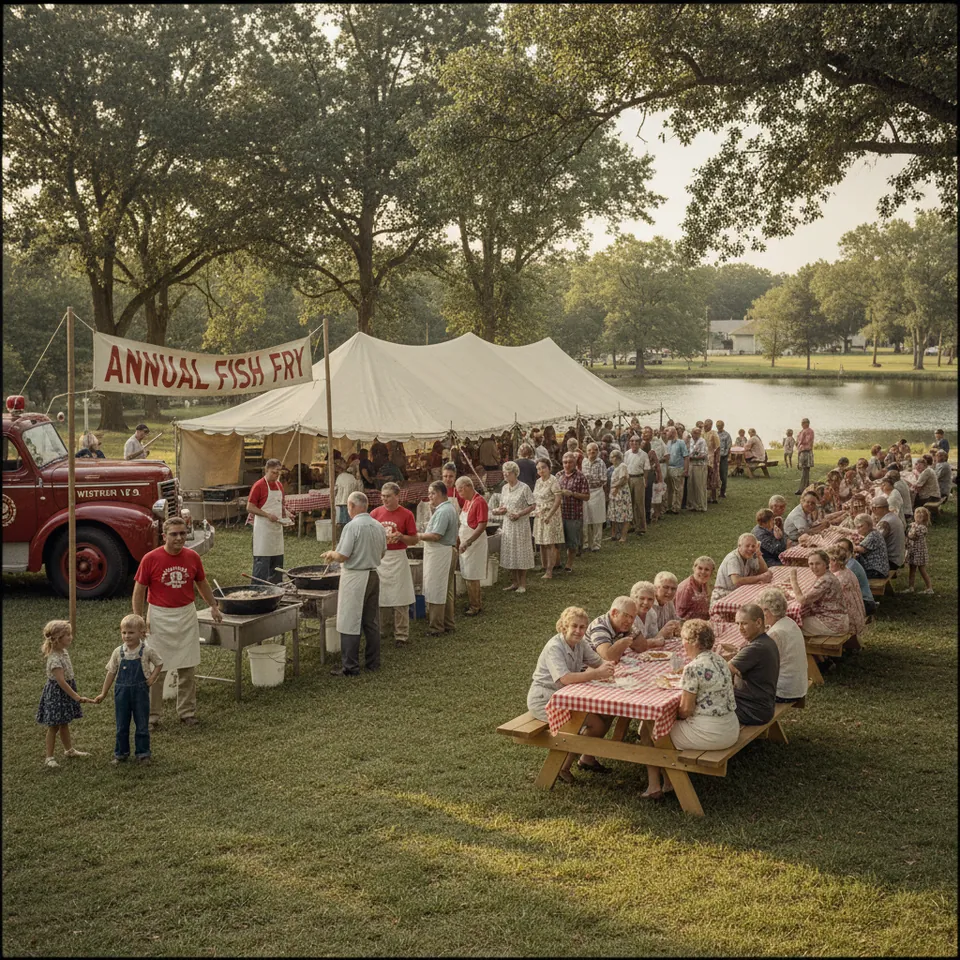
The Volunteer Fire Department Fish Fry
A firehouse fish fry was more than supper. Volunteer departments used the gathering to raise funds, bring neighbors inside the station, and make their work visible.
Read the storyExplore everyday places, objects, and rituals remembered from the 1950s in the WistMem memory archive. Search for something you remember ↗
A selection across topics
138 stories · Page 9 of 12
A firehouse fish fry was more than supper. Volunteer departments used the gathering to raise funds, bring neighbors inside the station, and make their work visible.
Read the story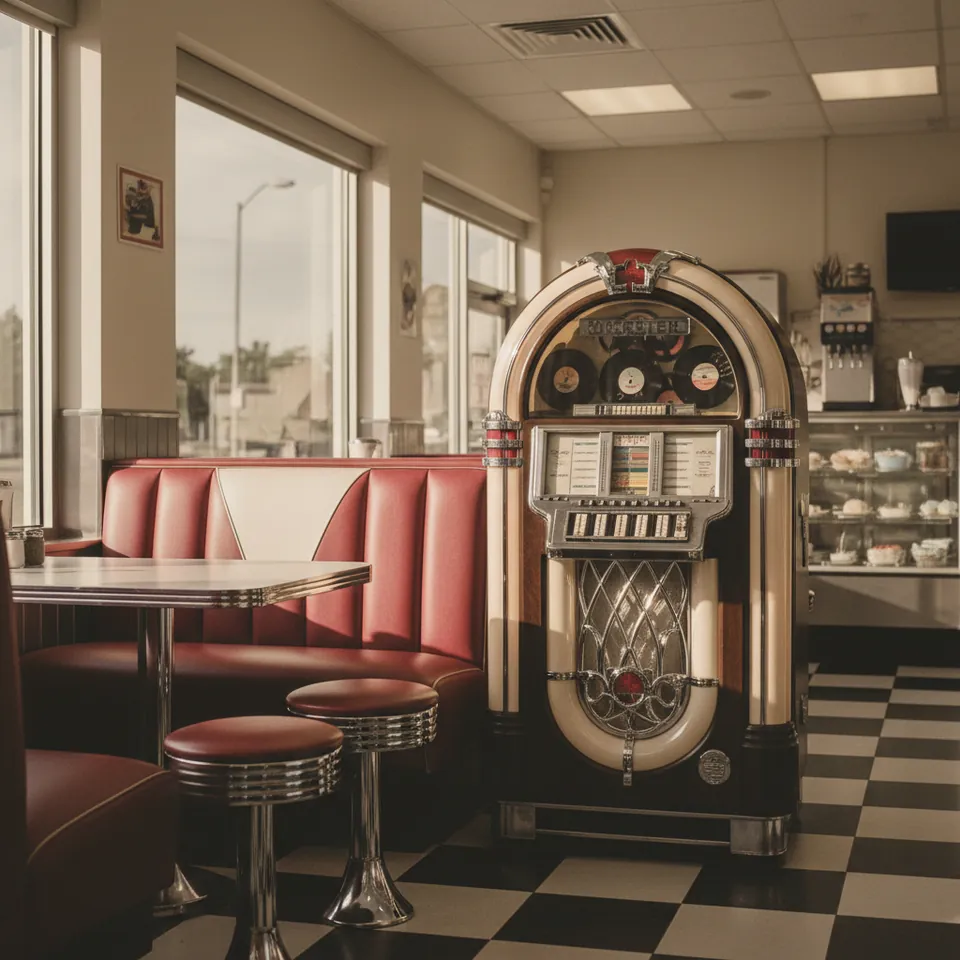
A coin and a numbered button made a diner booth part of the music system. Who chose the song, and how did the room respond?
Read the story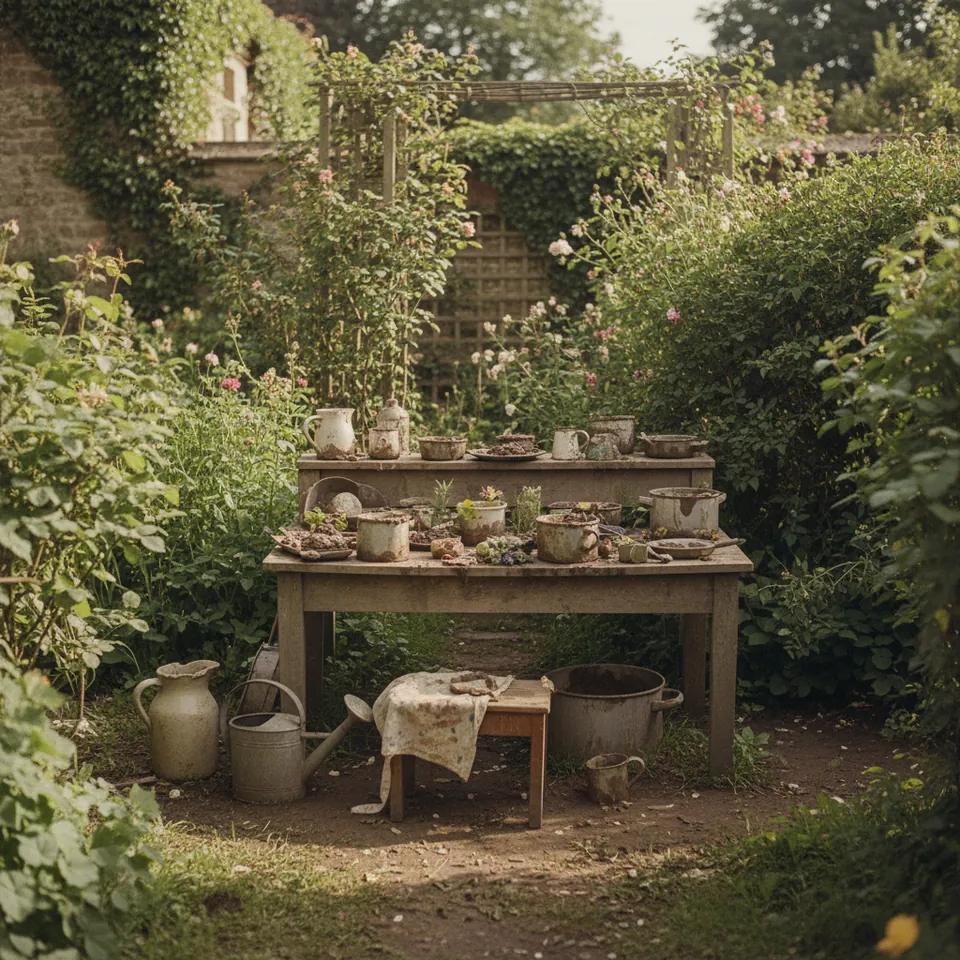
A bowl of wet soil could become a cake, a soup, or a whole afternoon of pretend service. The mud pie kitchen worked because its ingredients were always changing.
Read the story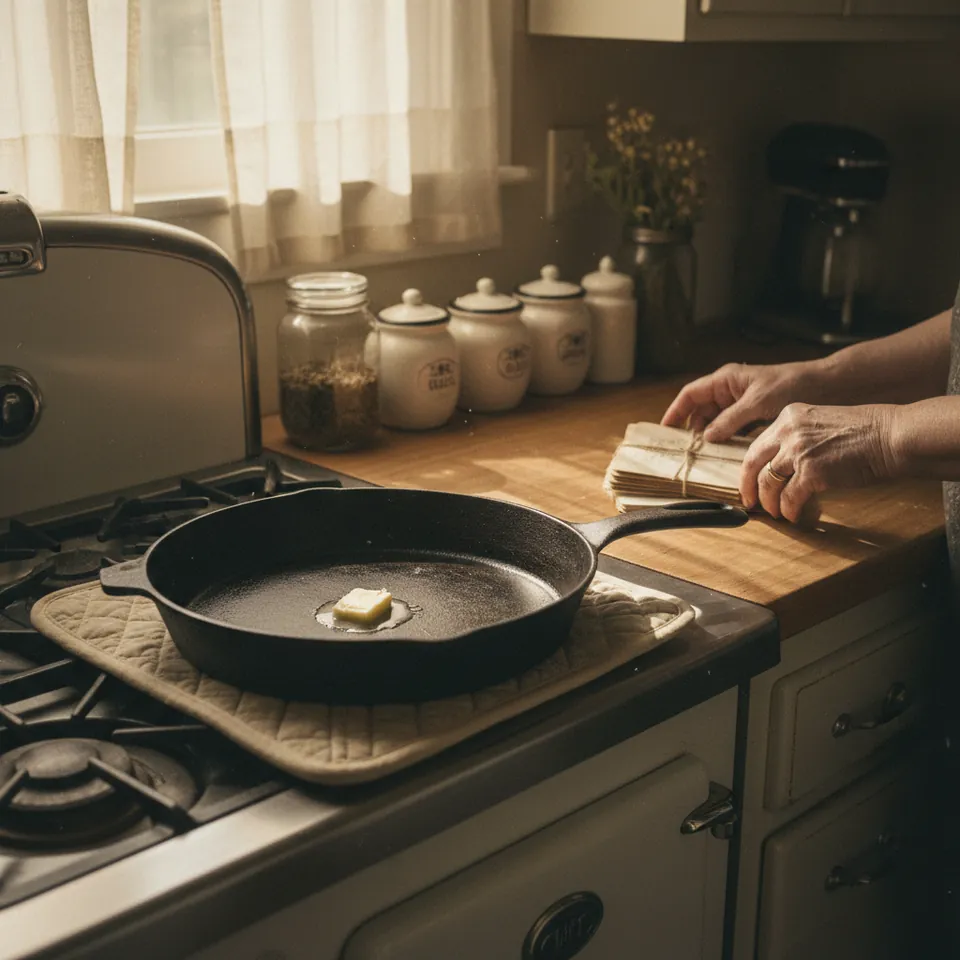
An inherited cast-iron skillet carries clues in its maker’s mark, wear, and family recipes. Its care is simpler than many handed-down rules suggest, and soap is not forbidden.
Read the story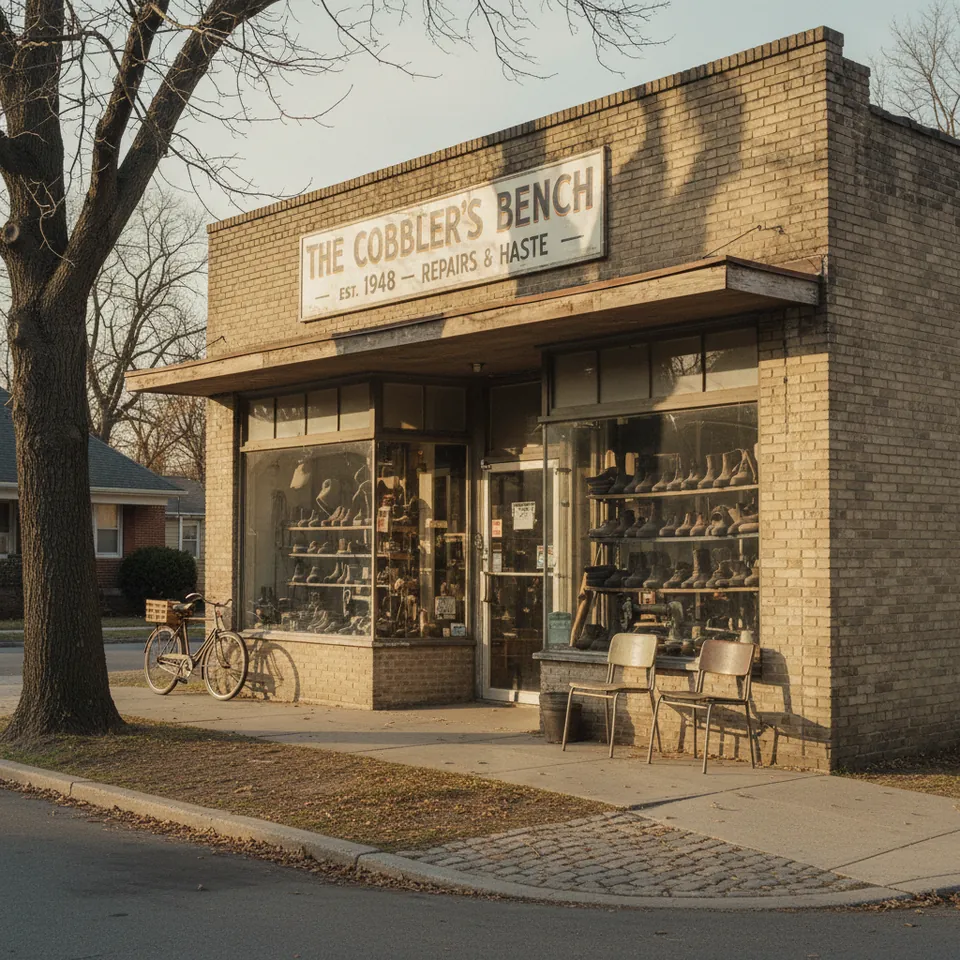
A shoe repair shop measured a pair by its worn soles and the life still left in its leather. Historic photographs preserve the workbench and customers behind the counter.
Read the story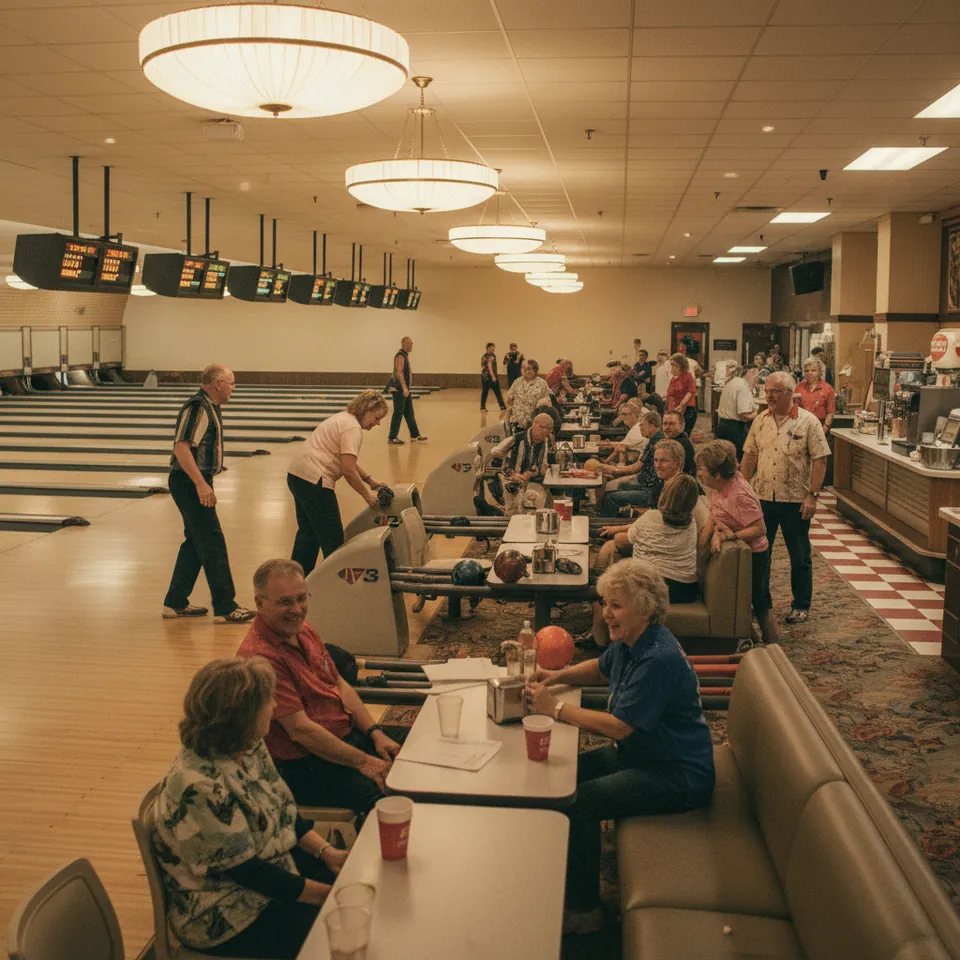
League night made the bowling alley a recurring social commitment. The scores mattered, but so did seeing the same teams, partners, and staff each week.
Read the story
A morning paper route meant sorting, carrying, and reaching each doorstep before school. The familiar memory of independence also belongs to a longer, less simple history of child labor.
Read the story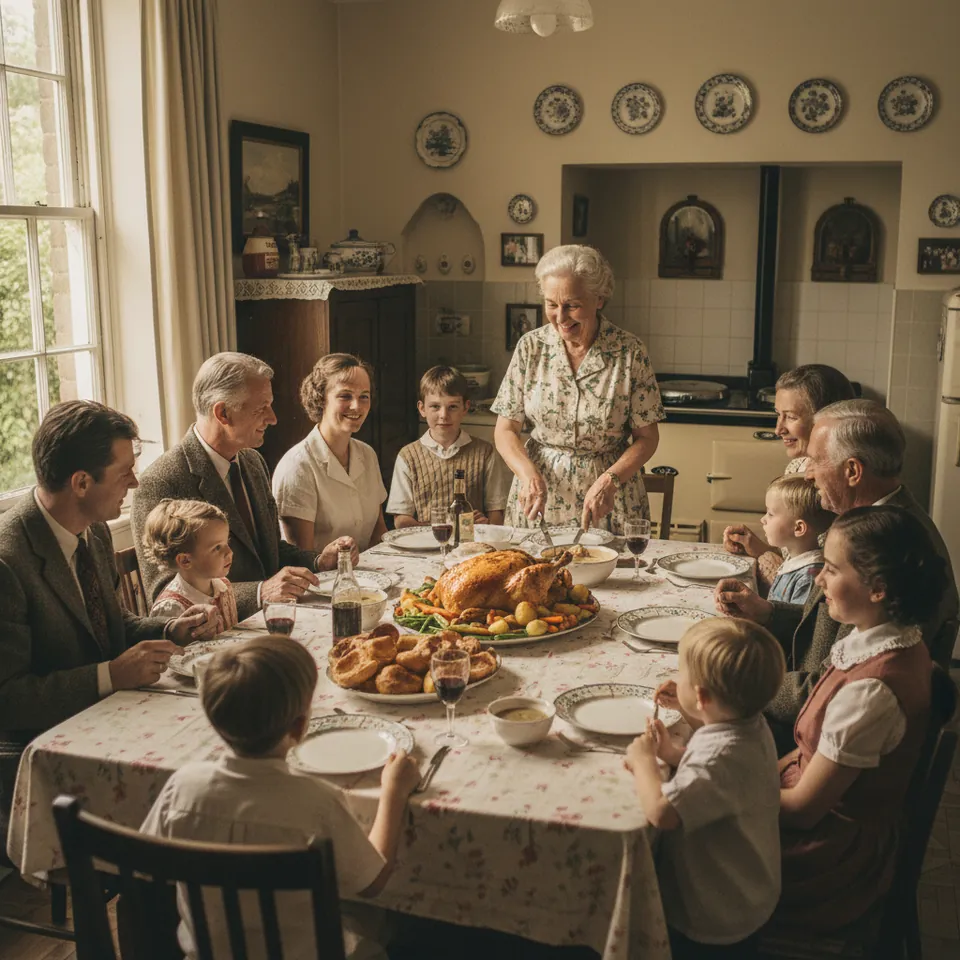
A 1959 photograph of a family roast gives a real setting for a familiar meal. The lasting memory may be the work, seating, and conversation around it.
Read the story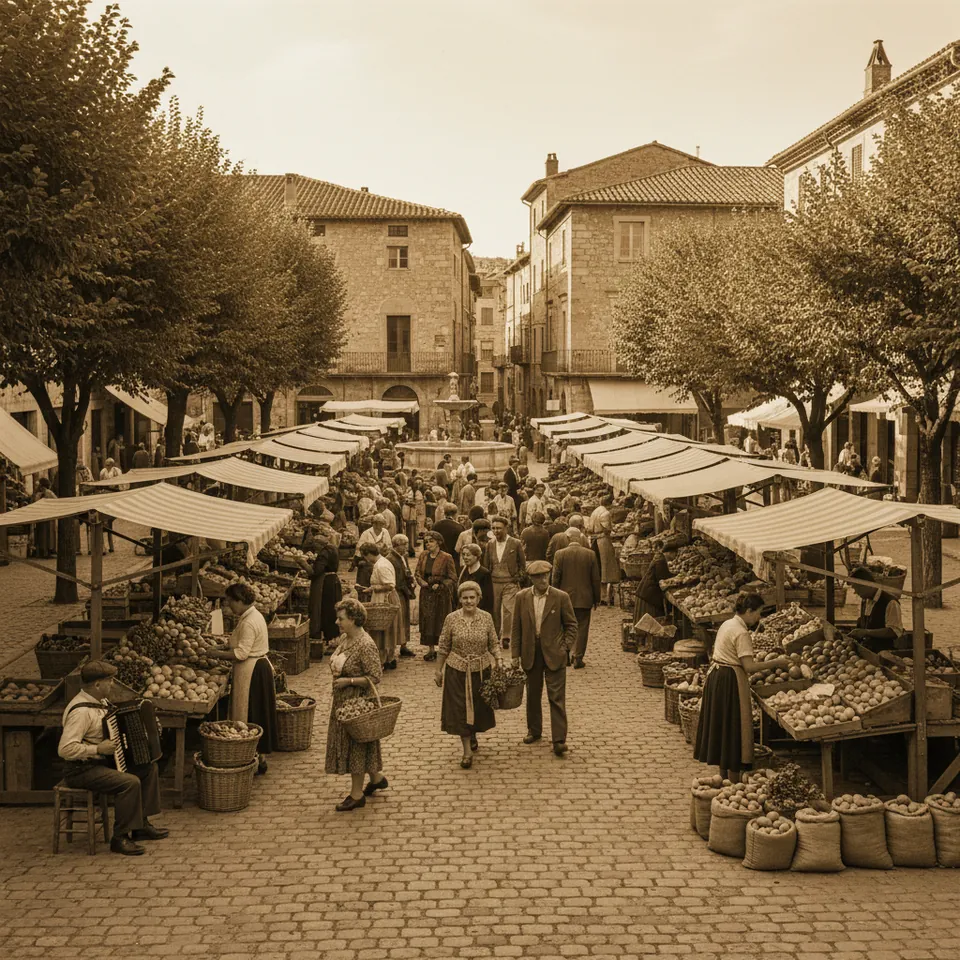
A piazza market was a working place. Stalls, vendors, and regular customers gave the open square a different shape on market mornings.
Read the story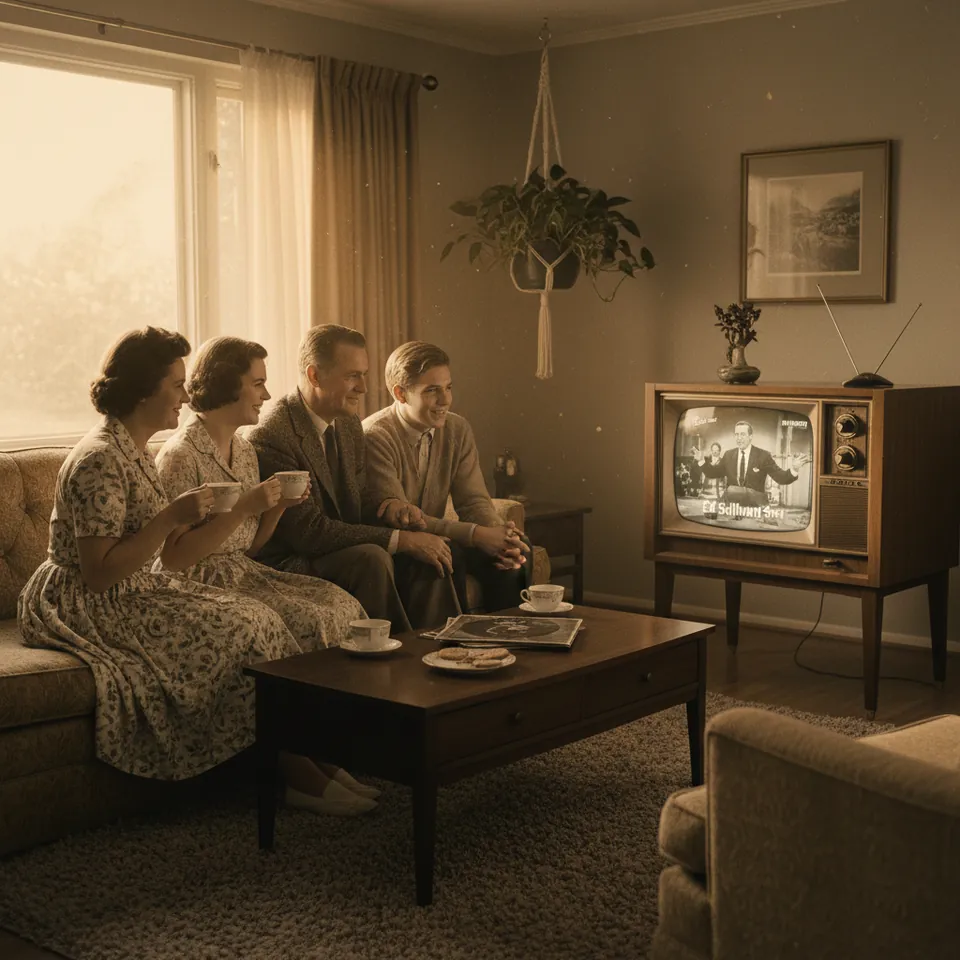
The Ed Sullivan Show brought very different performers into one weekly broadcast. Remember the family’s reaction to the unexpected act, not just the famous names.
Read the story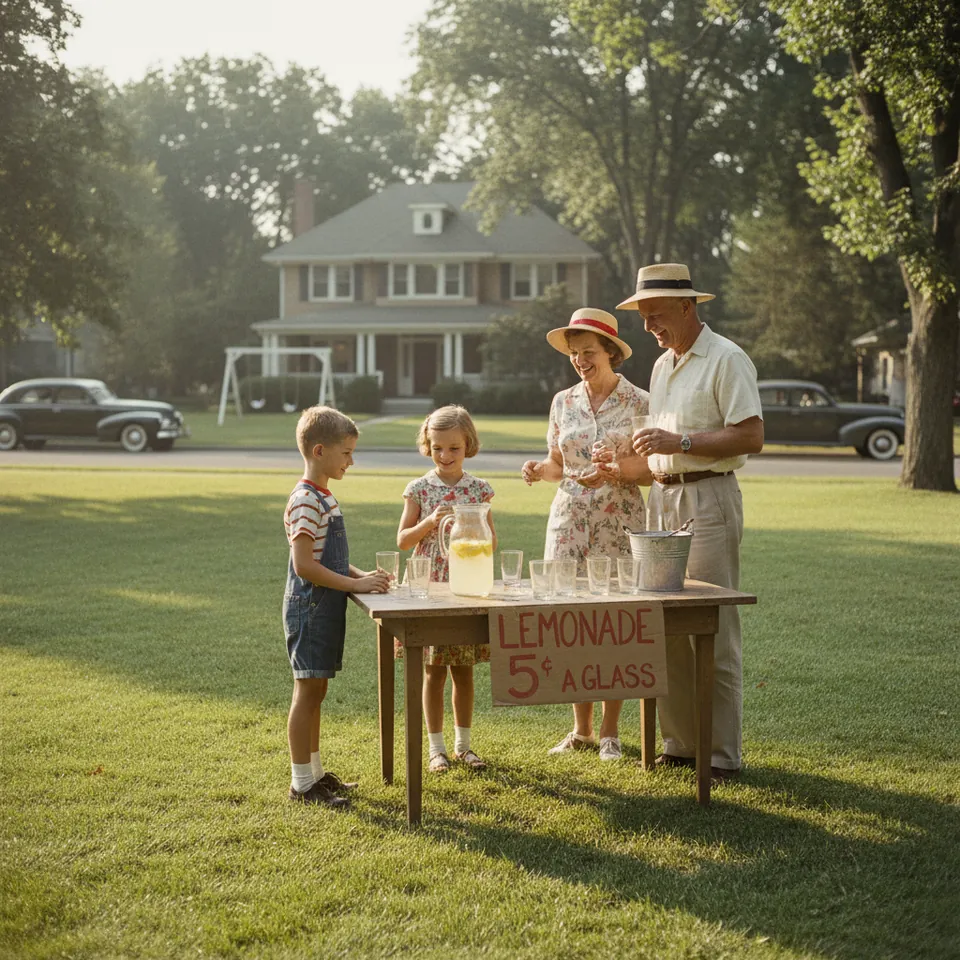
A neighborhood lemonade stand gave children a stage for choosing a price, counting change, and discovering who would actually stop on a warm afternoon.
Read the story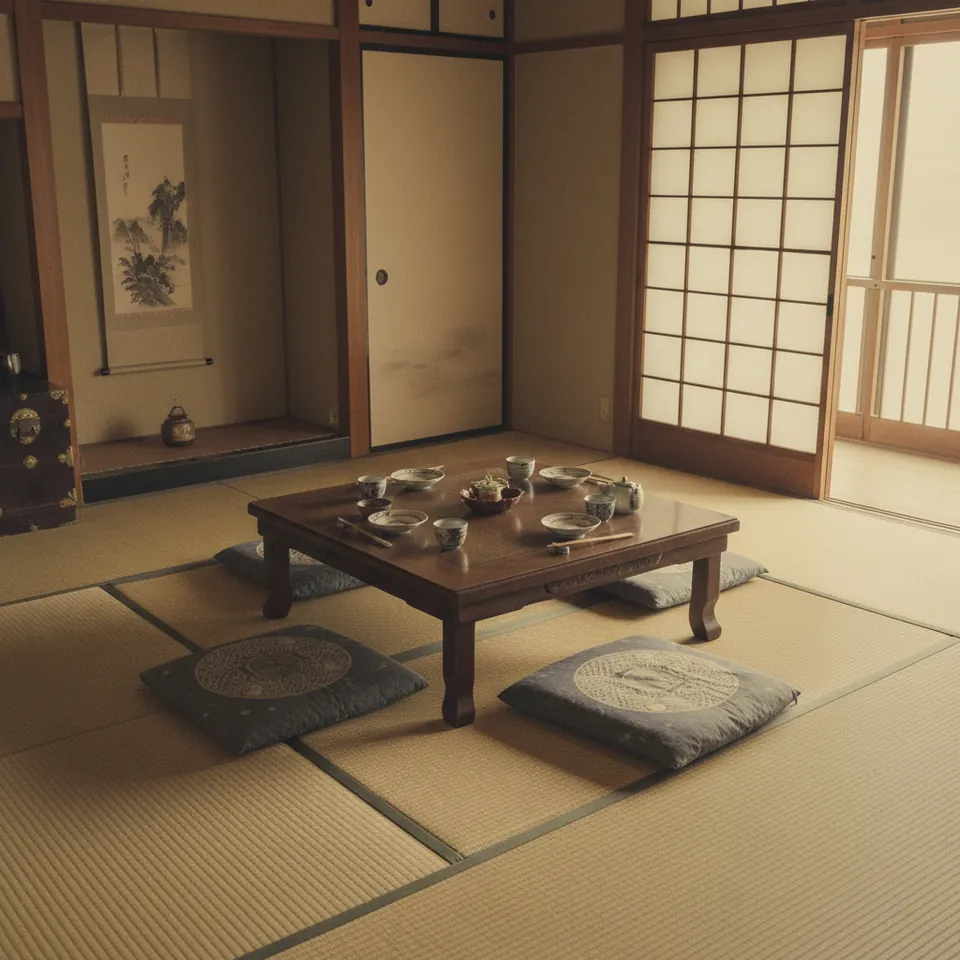
Tatami, cushions, and a low table make dining a spatial memory as well as a food memory. Museum and Japan House records help describe the room without reducing Japanese homes to one pattern.
Read the story12 memories shown of 138
Public memory submissions are currently unavailable. You can still use our free questions with your family.
Find a question ↗