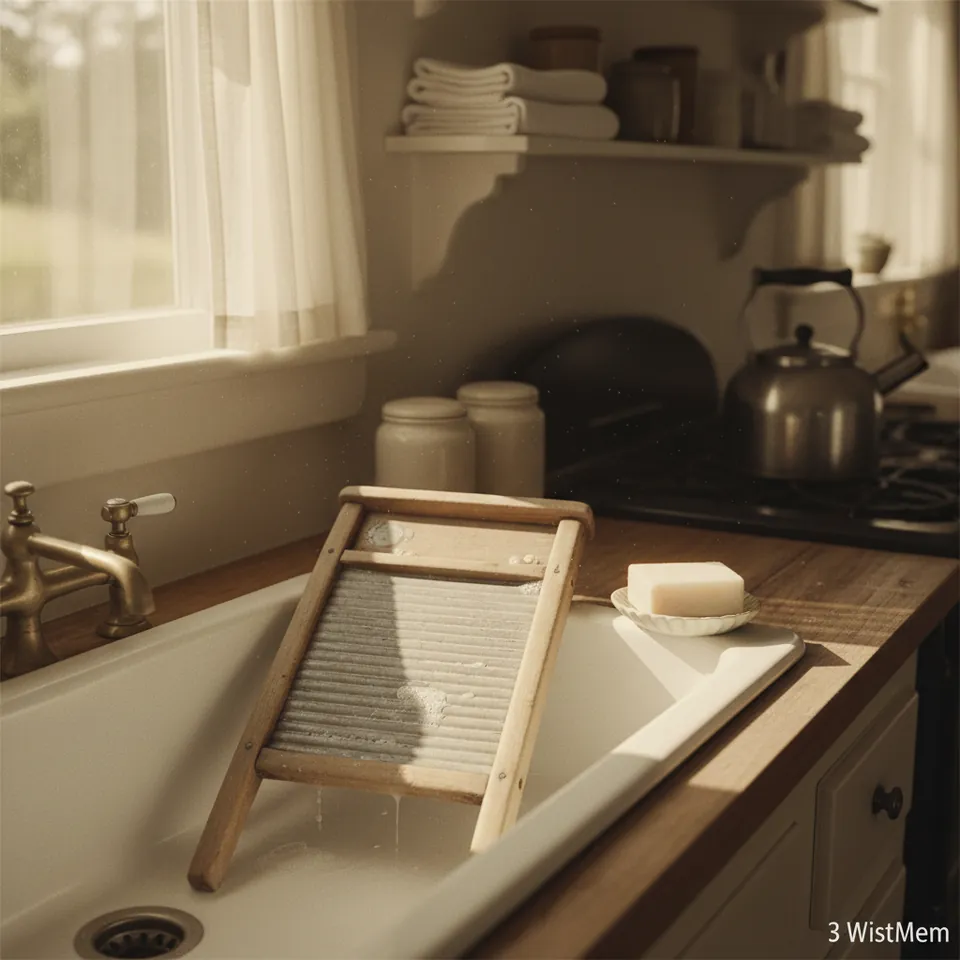
The Wooden Washboard and the Soap Bar
A washboard provided a ribbed surface for working soap through cloth. A Smithsonian example and laundry demonstration show the sequence of washing, rinsing, wringing, and drying.
Read the storyExplore everyday places, objects, and rituals remembered from the 1950s in the WistMem memory archive. Search for something you remember ↗
A selection across topics
138 stories · Page 11 of 12
A washboard provided a ribbed surface for working soap through cloth. A Smithsonian example and laundry demonstration show the sequence of washing, rinsing, wringing, and drying.
Read the story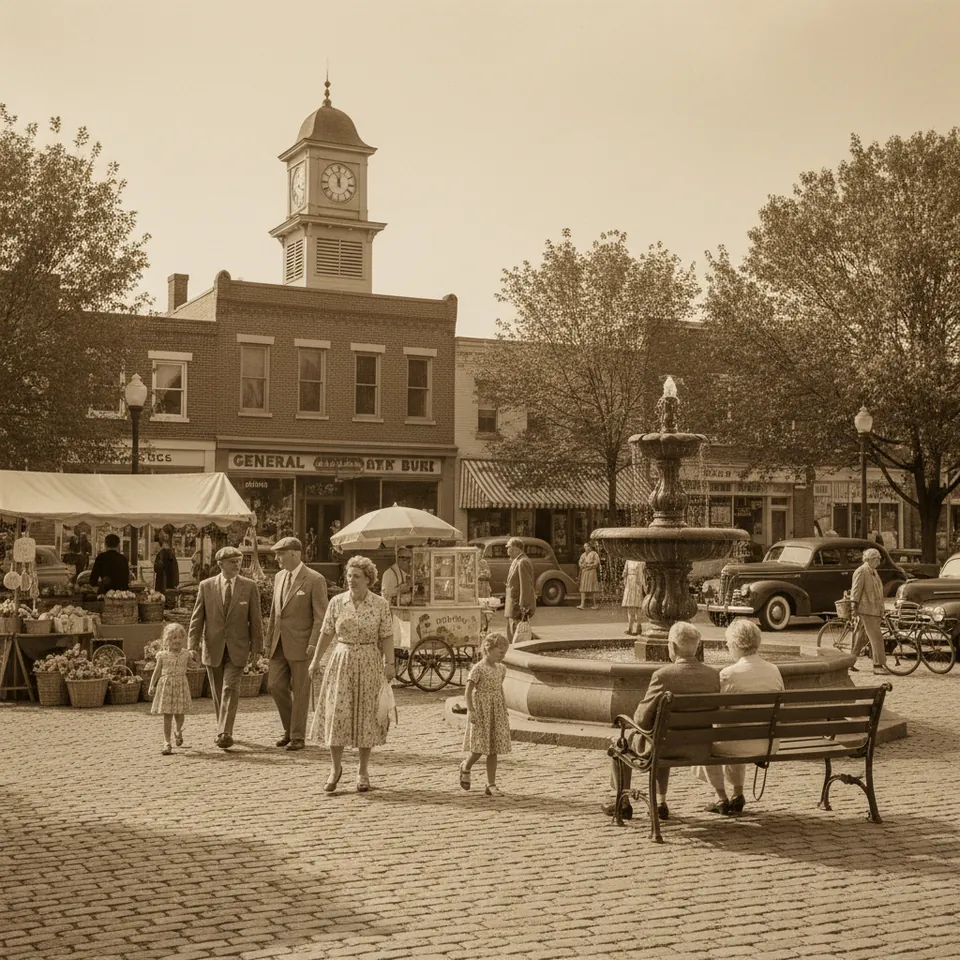
A Saturday town square joined errands with chance encounters. Historic plans show how shops, banks, and public space could gather daily life into one walk.
Read the story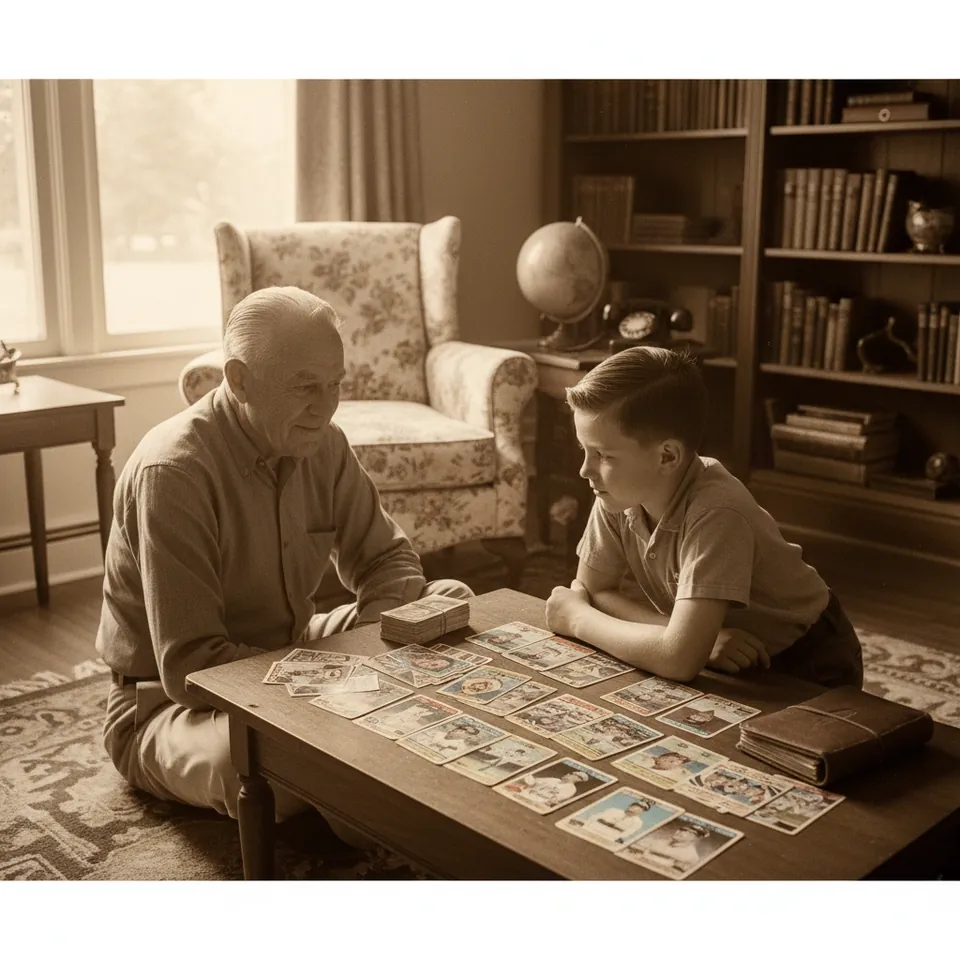
A baseball card could be a player portrait, a miniature record of a season, or the missing piece in a trade. The history of the cards reaches much further back than the gum pack many children remember.
Read the story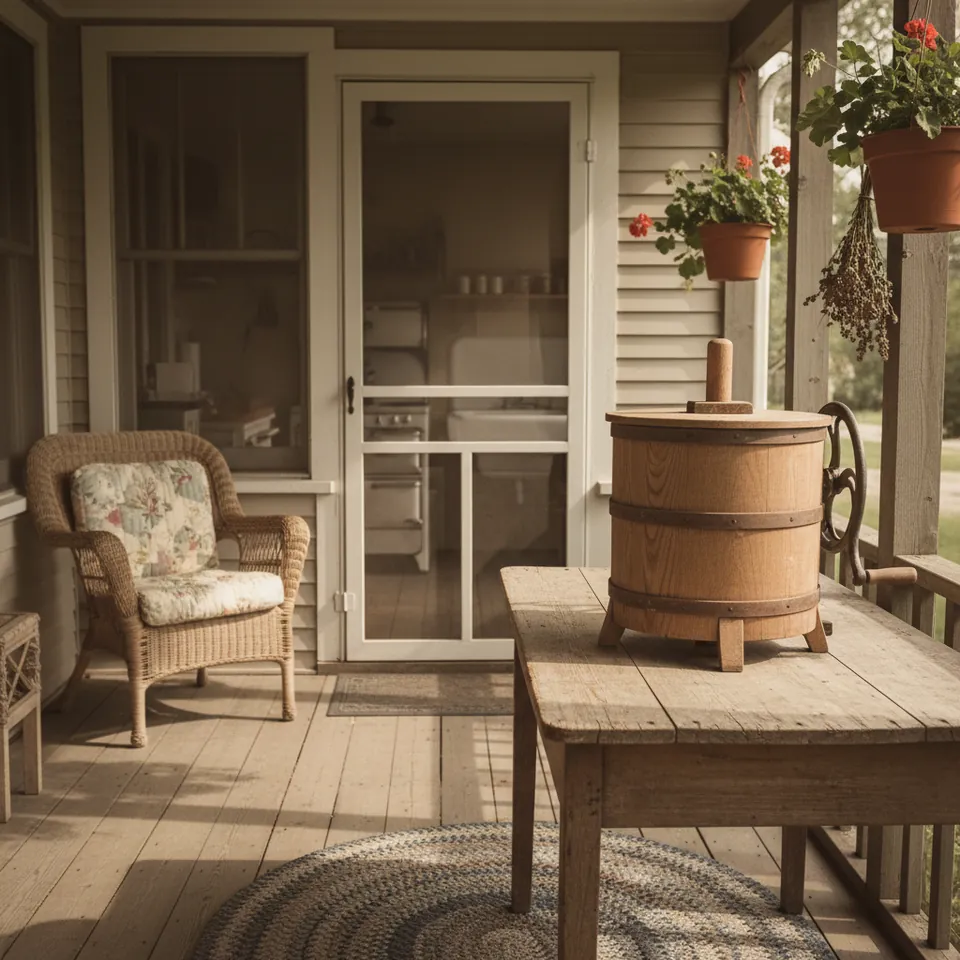
A butter churn turned cream into a household product through repeated movement. A surviving churn and an oral history show both the object and the work around it.
Read the story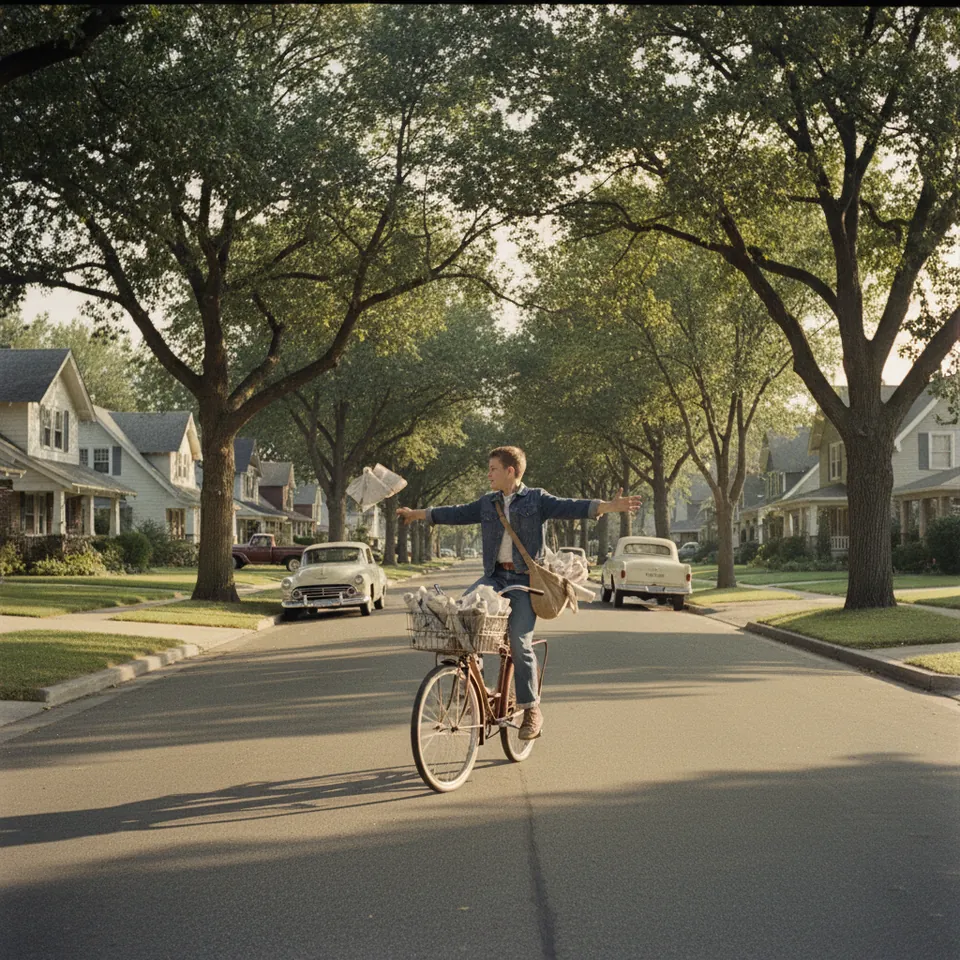
A bicycle newspaper route was a sequence of addresses, bags, and customers. The rider learned how to make the same circuit reliably in changing weather.
Read the story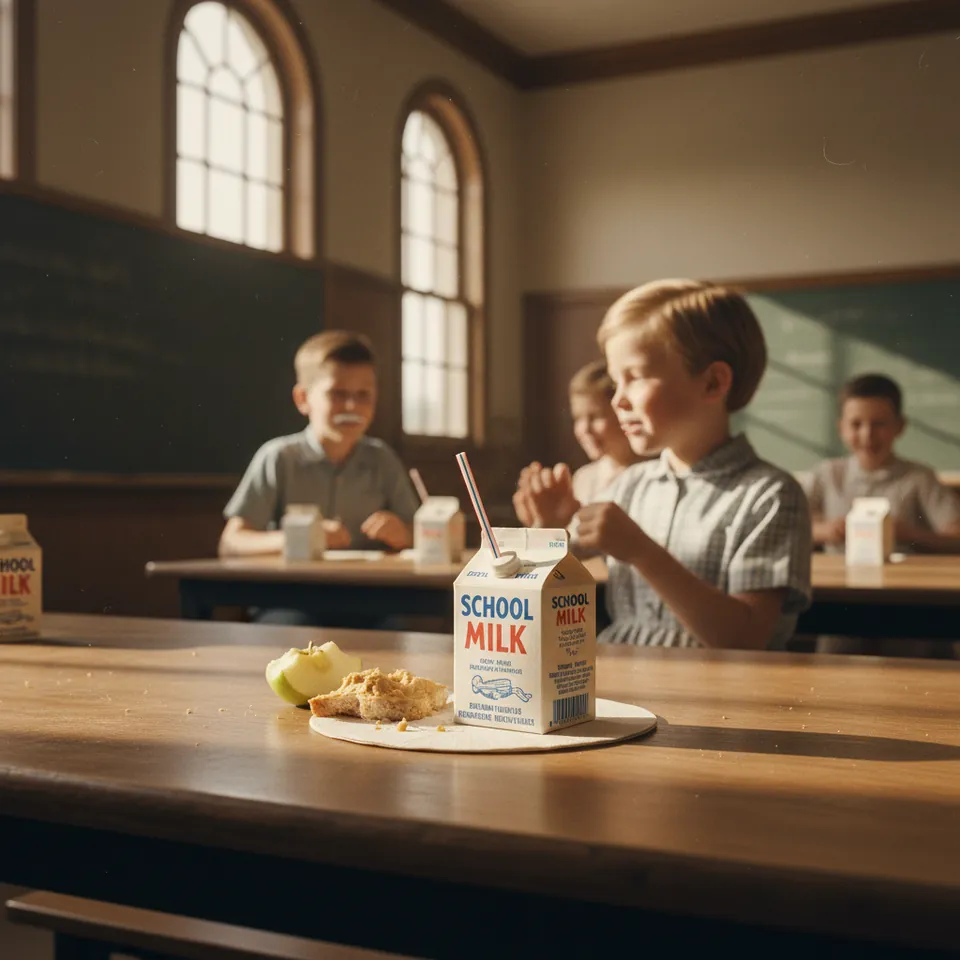
A school milk carton belonged to the noise and timing of lunch. Federal meal and milk programmes explain its place at the table; each child remembers how it opened.
Read the story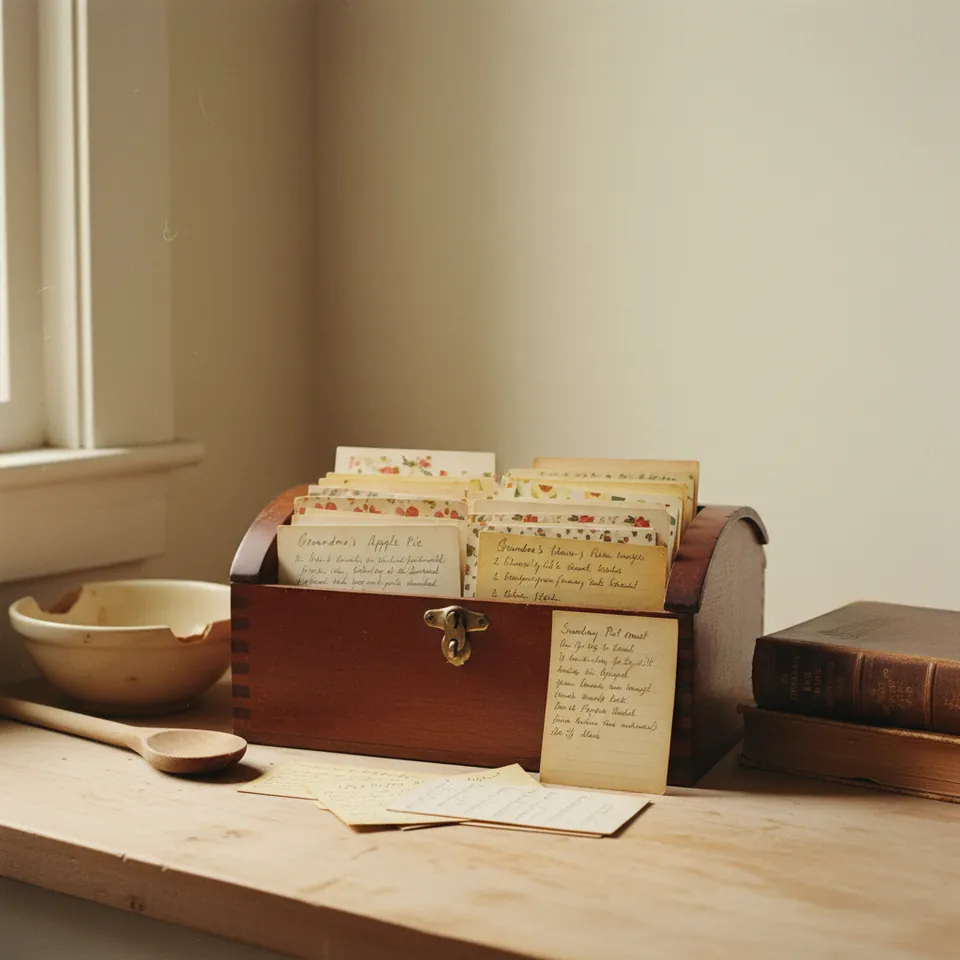
A recipe box can reveal who exchanged dishes and how a household organized meals. Read the dividers and copied cards as clues before turning them into a modern index.
Read the story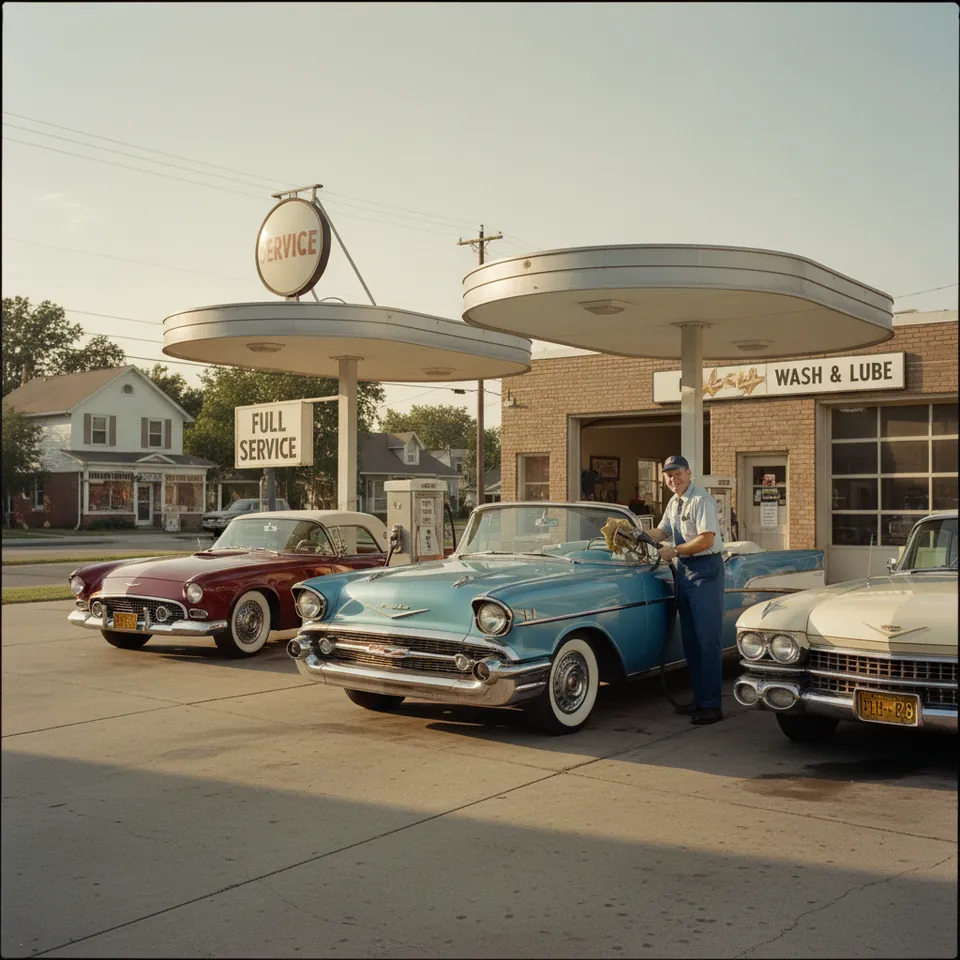
Full service involved more than pumping gasoline. Historic federal records describe attendants checking oil, radiator water, and windscreens, while wartime rationing added another duty.
Read the story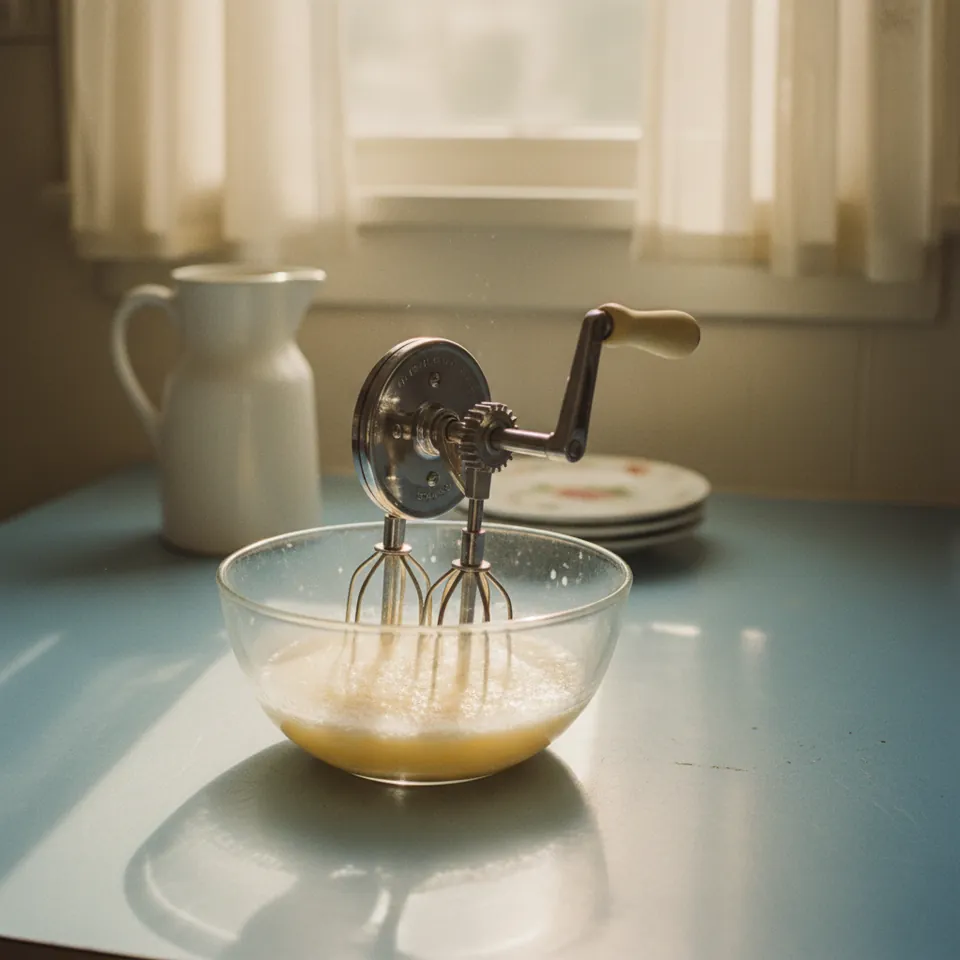
A hand crank drove paired beaters through gears, turning one person's motion into rapid mixing. A surviving 1920s tool makes the mechanism easy to see.
Read the story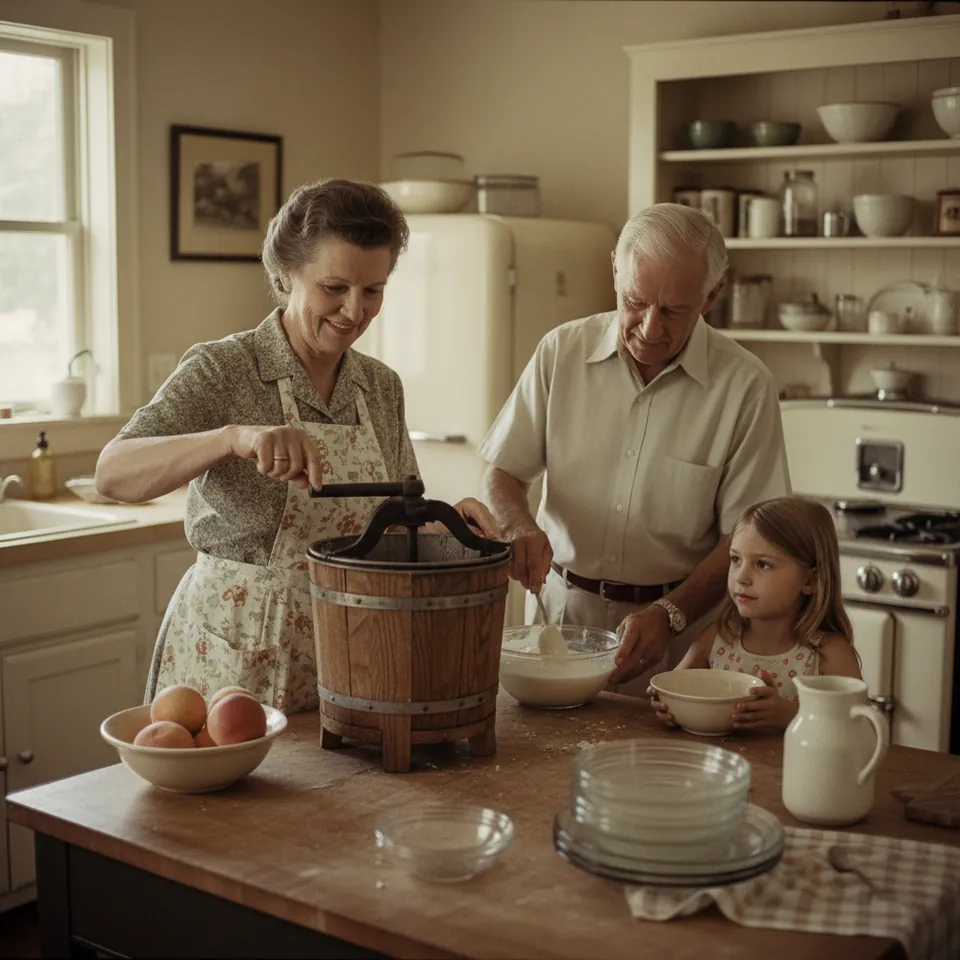
Nancy Johnson patented a hand-cranked freezer in 1843. Her design changed how the mixture moved against ice, opening a path from laborious luxury to a more familiar summer treat.
Read the story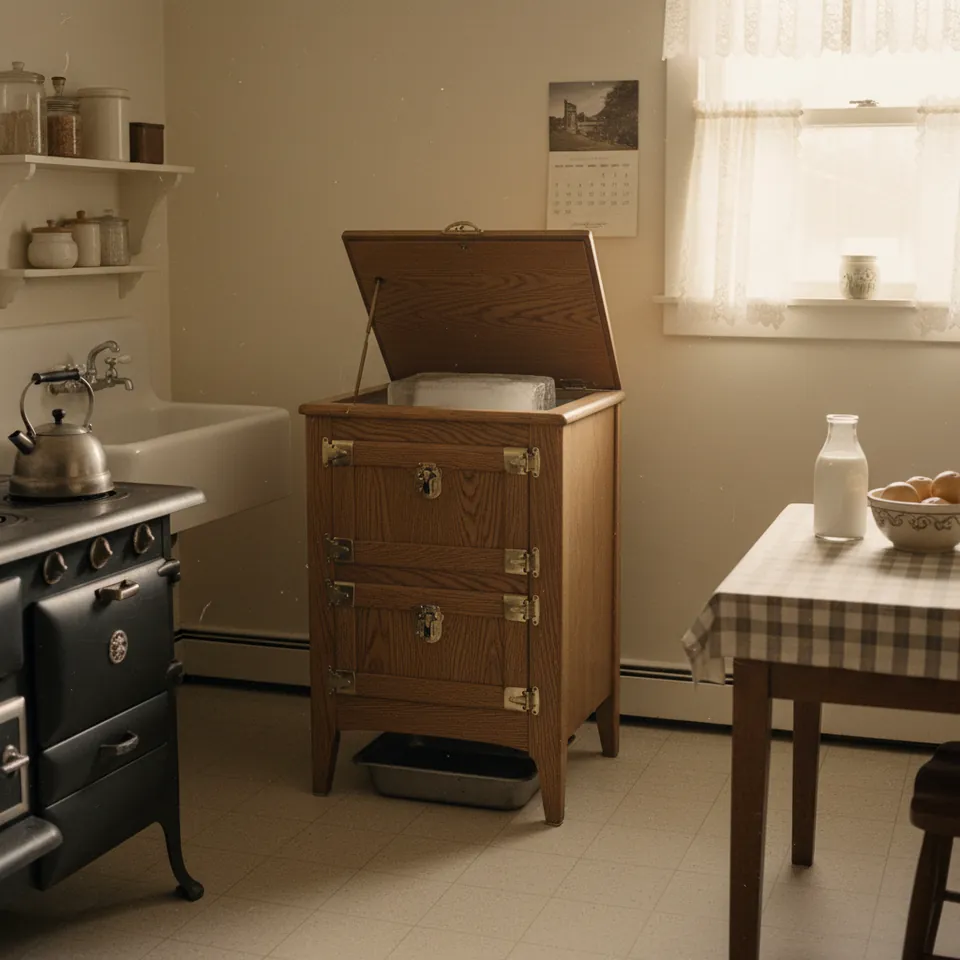
An ice box was an insulated cabinet cooled by a block of ice, with meltwater to manage and another delivery to plan. Museum records show how much everyday kitchen work sat behind that simple appliance.
Read the story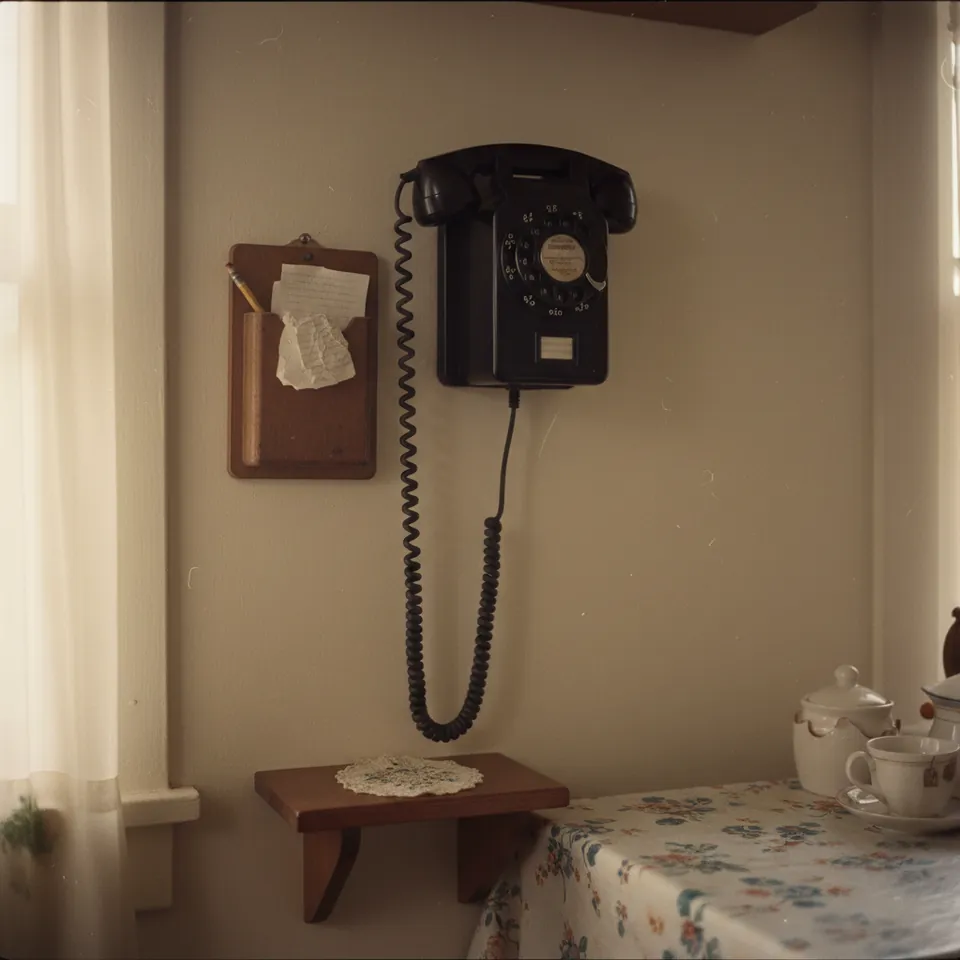
On a party line, several subscribers used one telephone circuit. Period telephone directories show how callers reached neighbors on the same line and what happened when the circuit was busy.
Read the story12 memories shown of 138
Public memory submissions are currently unavailable. You can still use our free questions with your family.
Find a question ↗