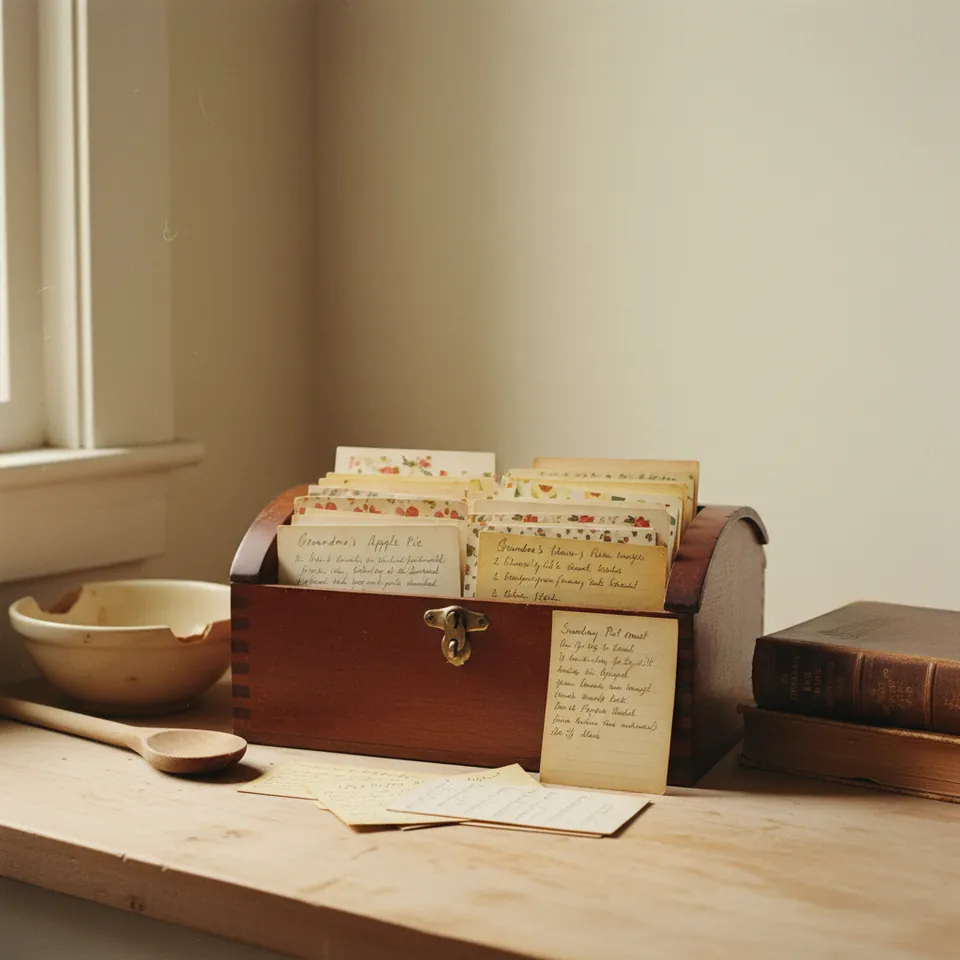
Inside a Handwritten Recipe Box: Finding the Cook Behind the Card
A recipe box can reveal who exchanged dishes and how a household organized meals. Read the dividers and copied cards as clues before turning them into a modern index.
Read the storyExplore everyday places, objects, and rituals remembered from the 1960s in the WistMem memory archive. Search for something you remember ↗
A selection across topics
145 stories · Page 12 of 13
A recipe box can reveal who exchanged dishes and how a household organized meals. Read the dividers and copied cards as clues before turning them into a modern index.
Read the story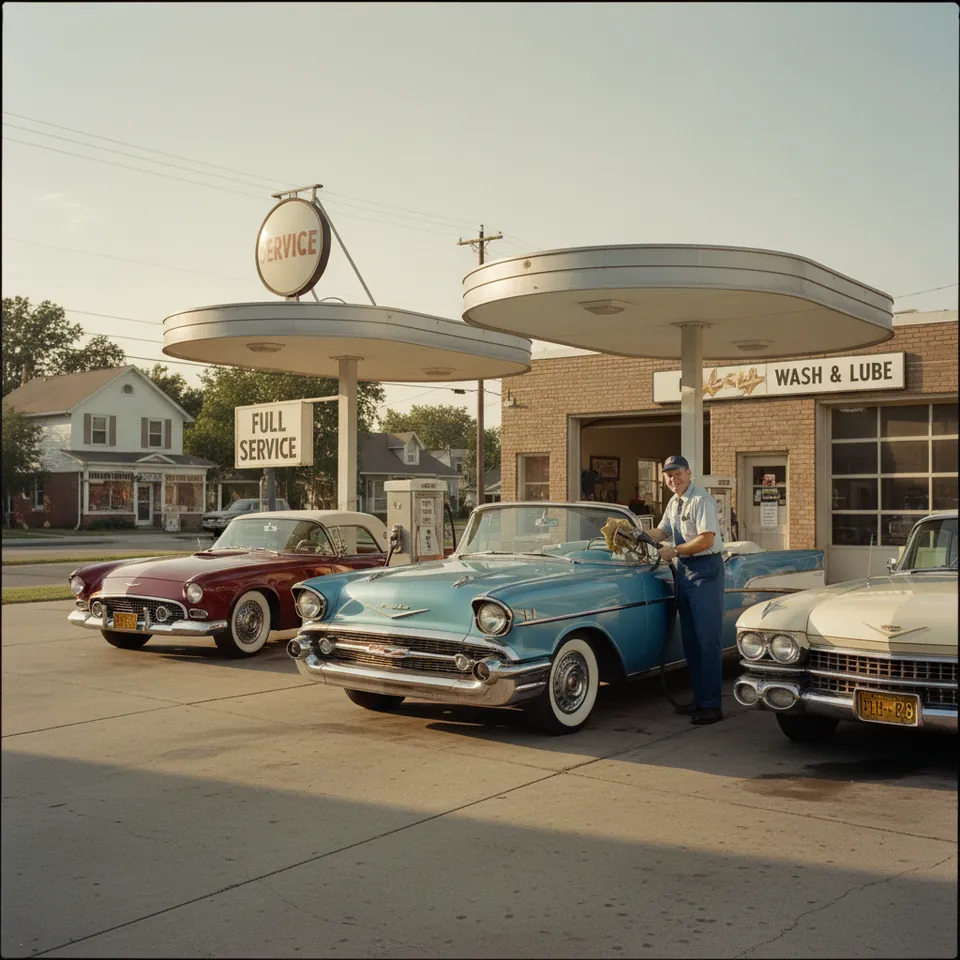
Full service involved more than pumping gasoline. Historic federal records describe attendants checking oil, radiator water, and windscreens, while wartime rationing added another duty.
Read the story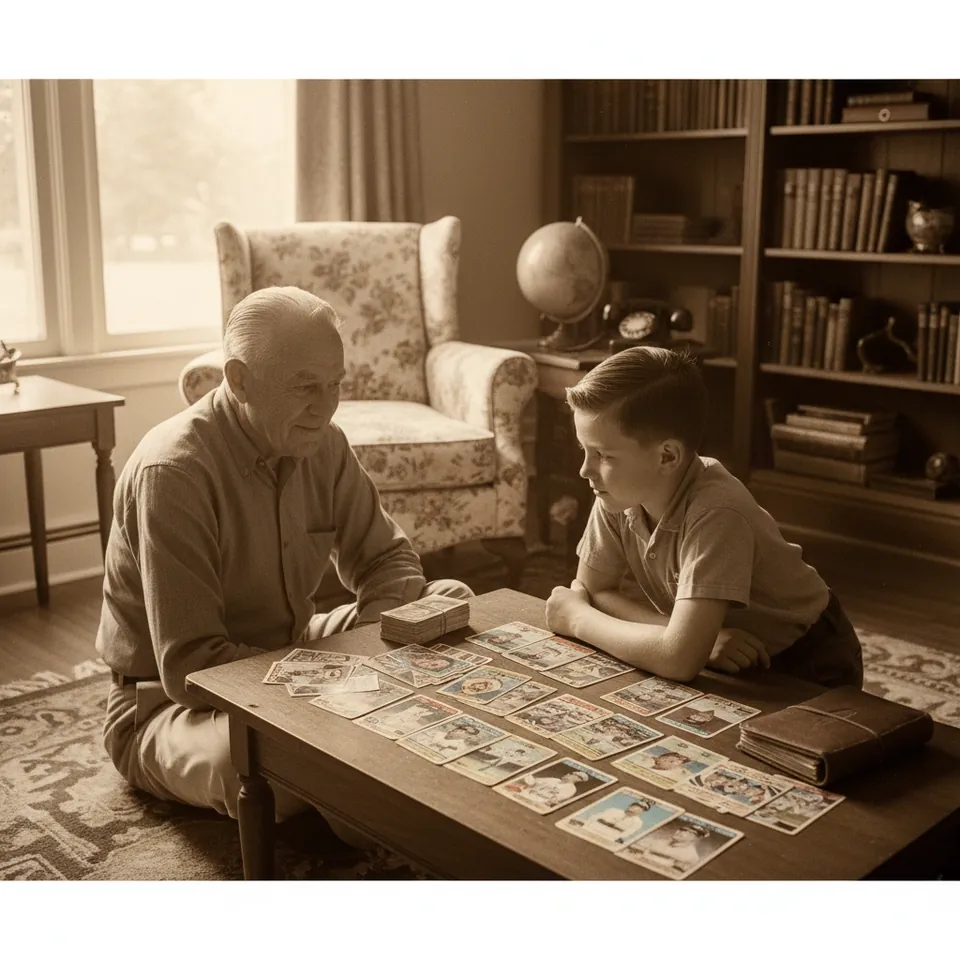
A baseball card could be a player portrait, a miniature record of a season, or the missing piece in a trade. The history of the cards reaches much further back than the gum pack many children remember.
Read the story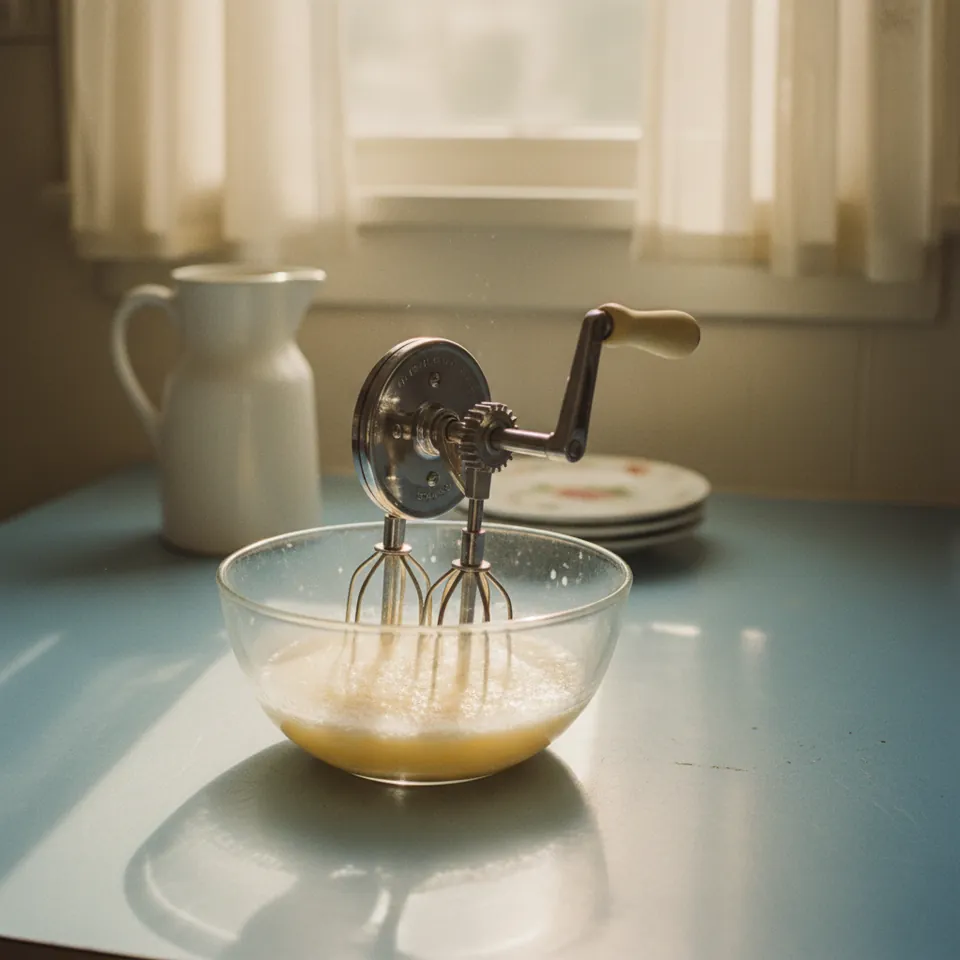
A hand crank drove paired beaters through gears, turning one person's motion into rapid mixing. A surviving 1920s tool makes the mechanism easy to see.
Read the story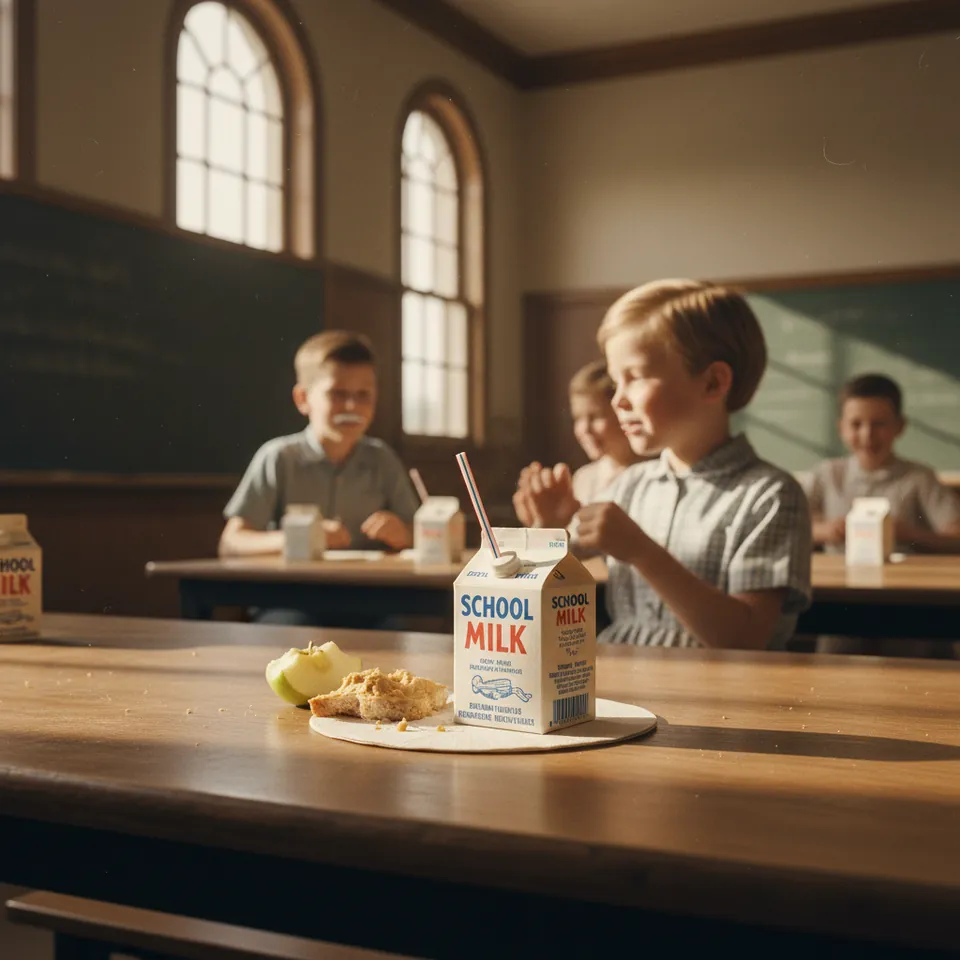
A school milk carton belonged to the noise and timing of lunch. Federal meal and milk programmes explain its place at the table; each child remembers how it opened.
Read the story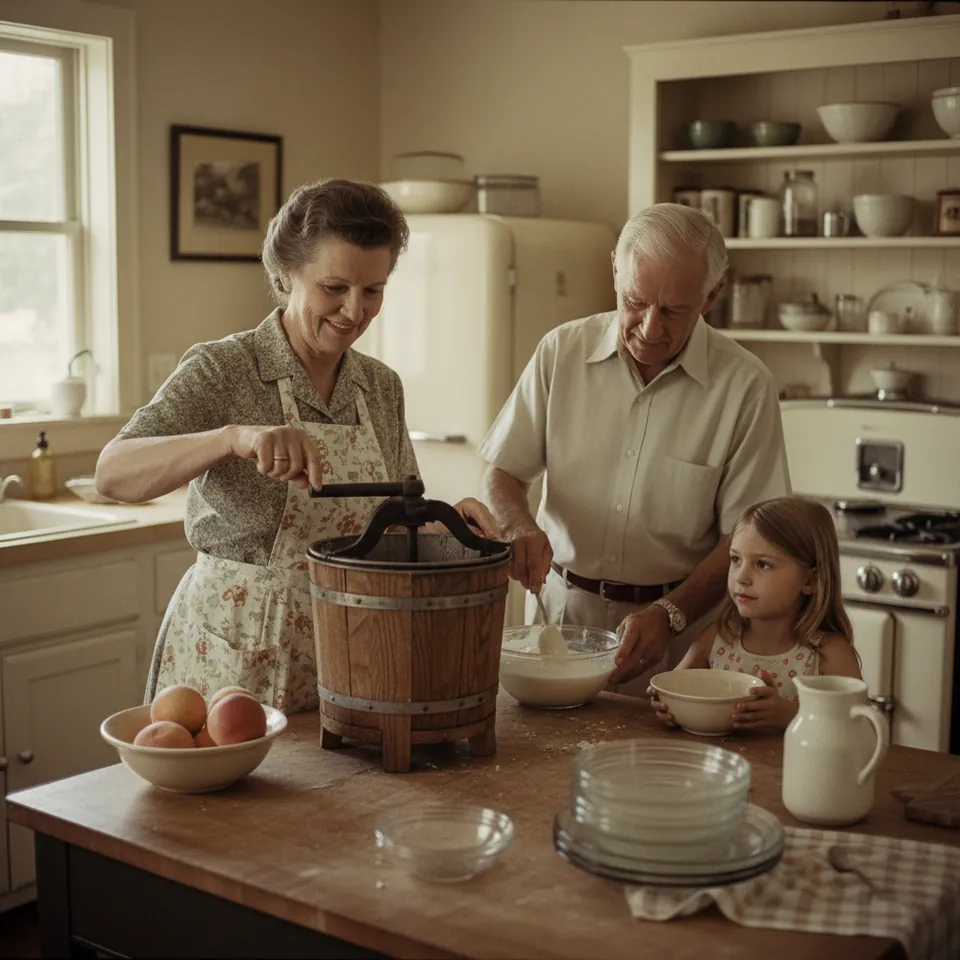
Nancy Johnson patented a hand-cranked freezer in 1843. Her design changed how the mixture moved against ice, opening a path from laborious luxury to a more familiar summer treat.
Read the story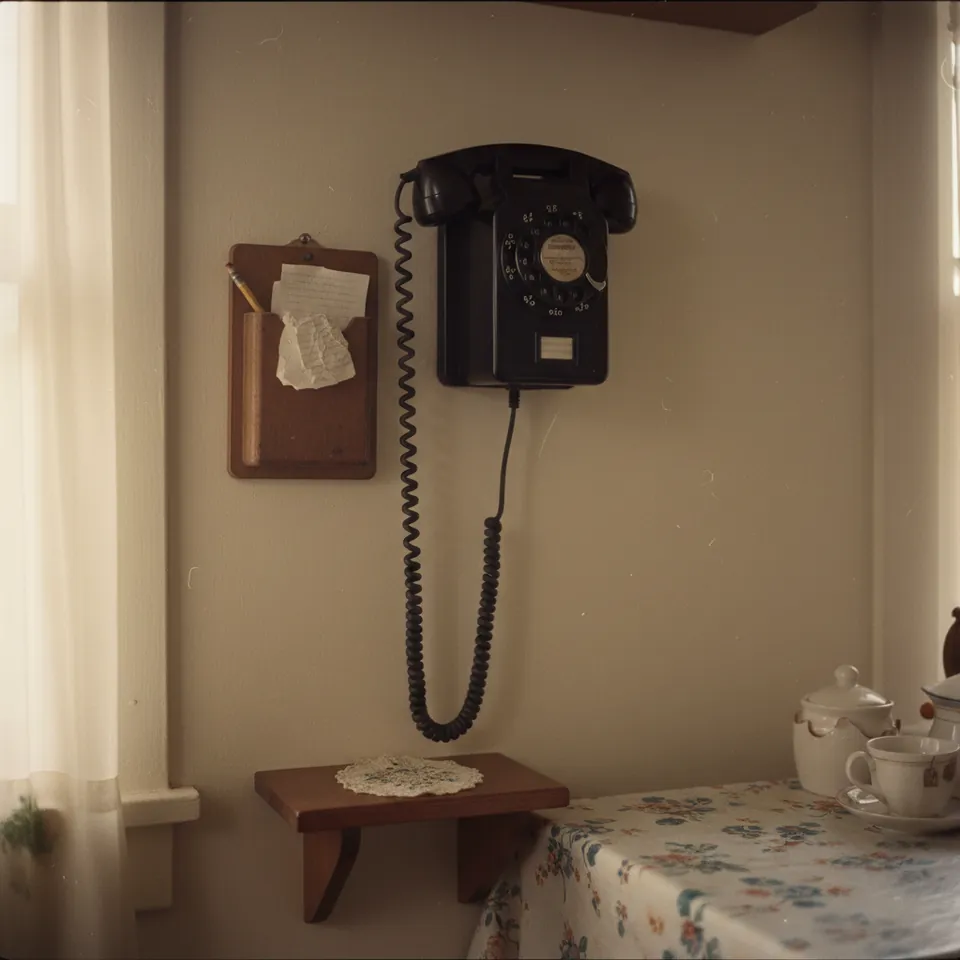
On a party line, several subscribers used one telephone circuit. Period telephone directories show how callers reached neighbors on the same line and what happened when the circuit was busy.
Read the story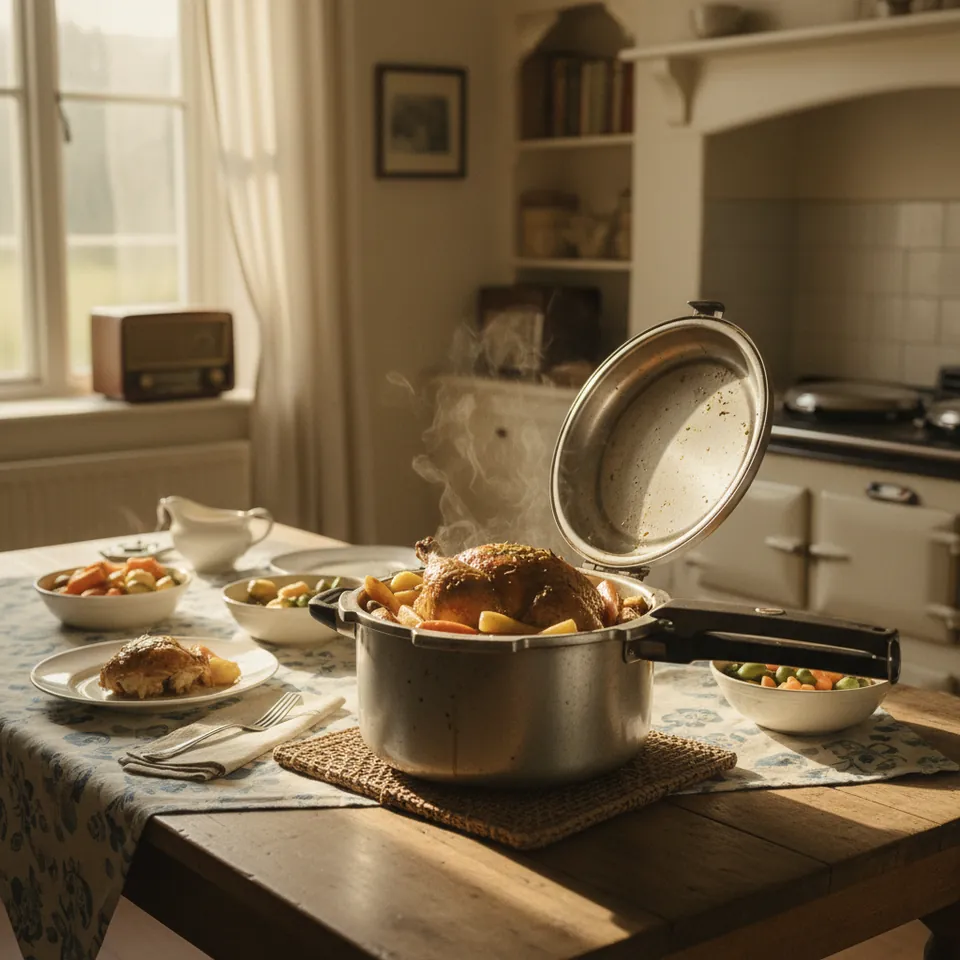
A pressure-cooked pot roast is different from an oven roast. Historic cooker parts and a current manufacturer recipe explain the sealed, moist-heat method behind the familiar Sunday name.
Read the story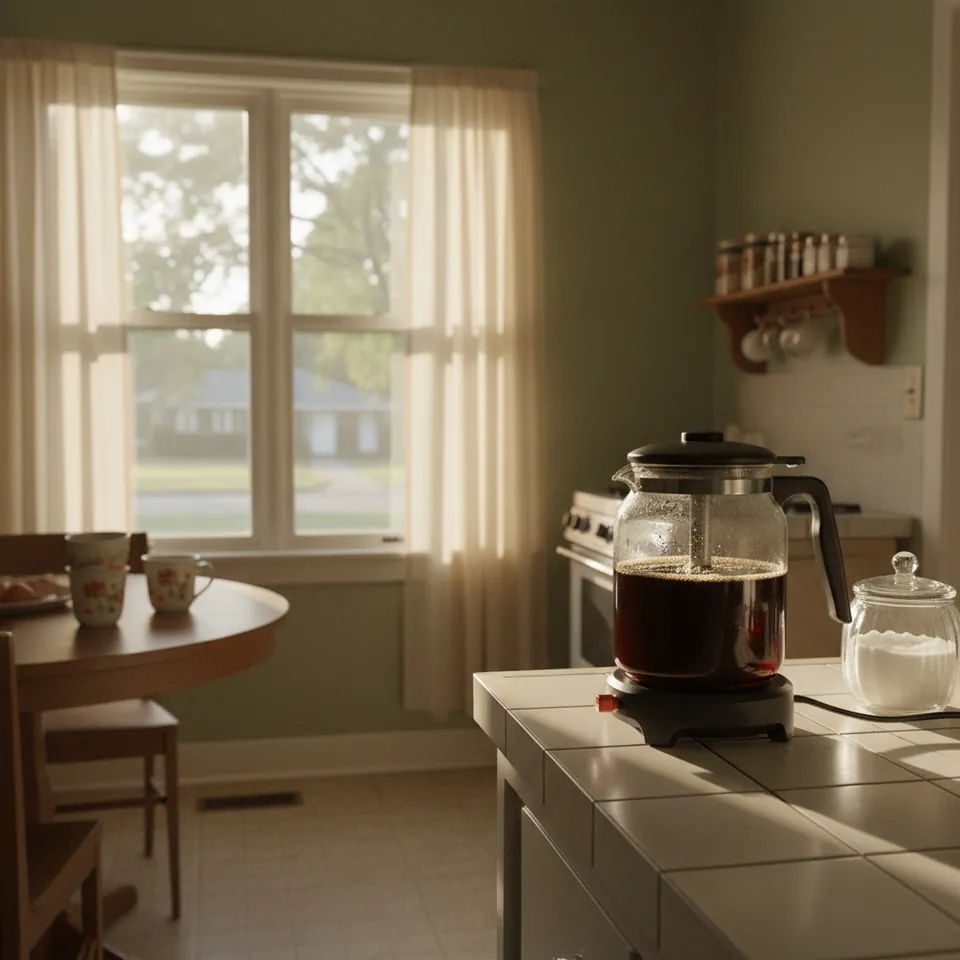
A percolator repeatedly sends hot water through a basket of grounds. Its visible pulse made brewing a small morning performance, and museum examples show how stove and electric versions differed.
Read the story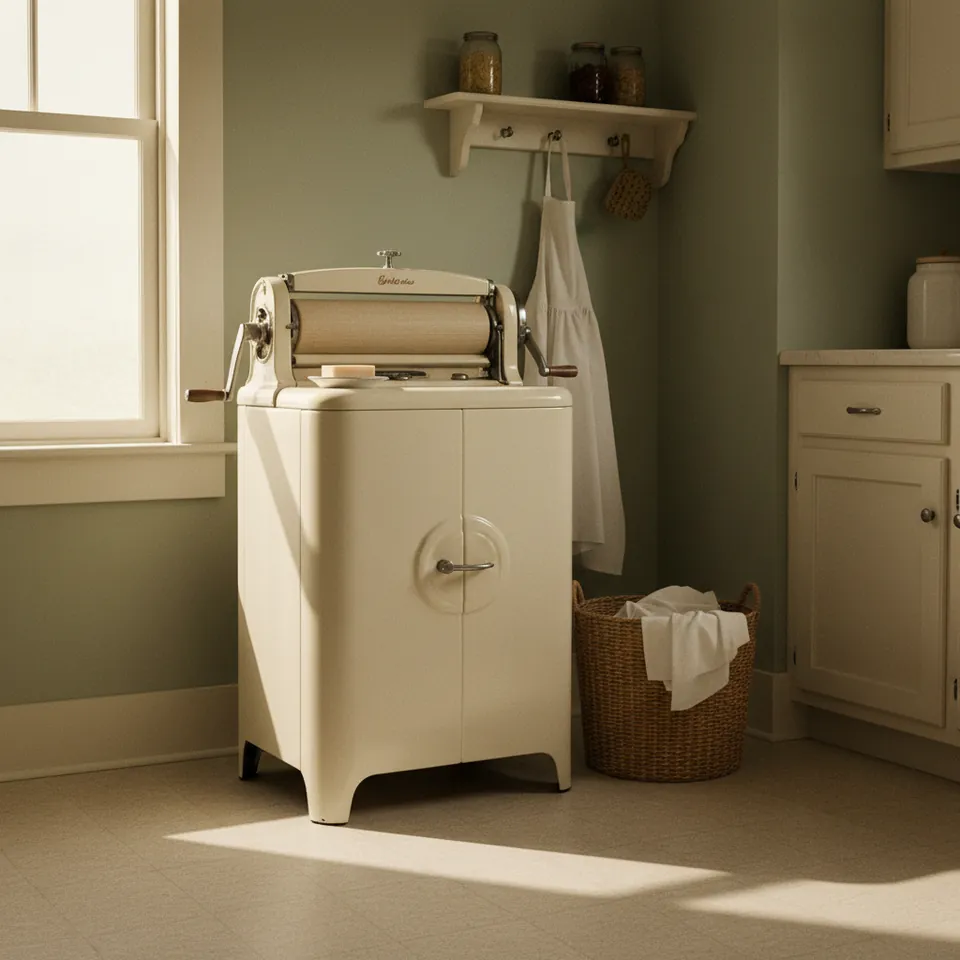
Early machines could agitate clothes, while rollers squeezed out water. Museum objects and a 1940 photograph show why operating a wringer washer remained active work.
Read the story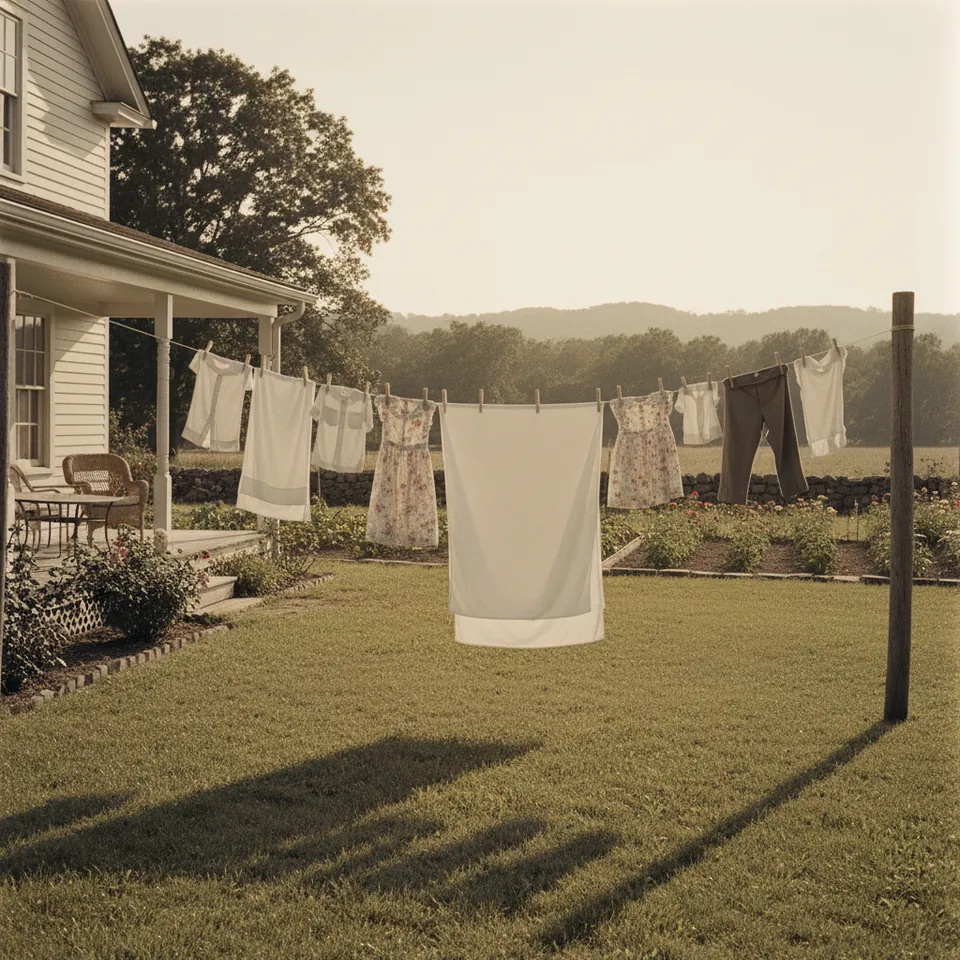
Hanging laundry depended on weather, space, and labor. Historic photographs show how differently a clothesline could fit into a yard, courtyard, or city street.
Read the story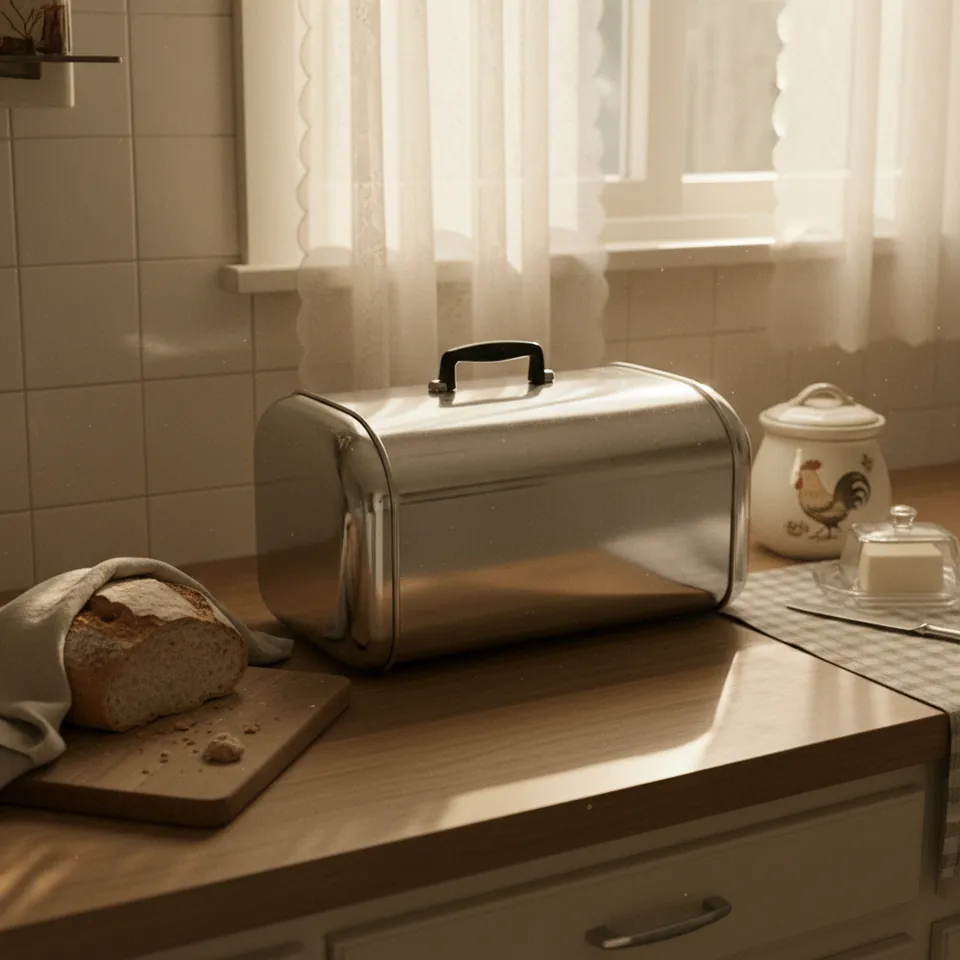
A bread box gave loaves a familiar place on the counter. A Smithsonian example shows how makers built ventilation into the design; family details explain what actually lived inside.
Read the story12 memories shown of 145
Public memory submissions are currently unavailable. You can still use our free questions with your family.
Find a question ↗