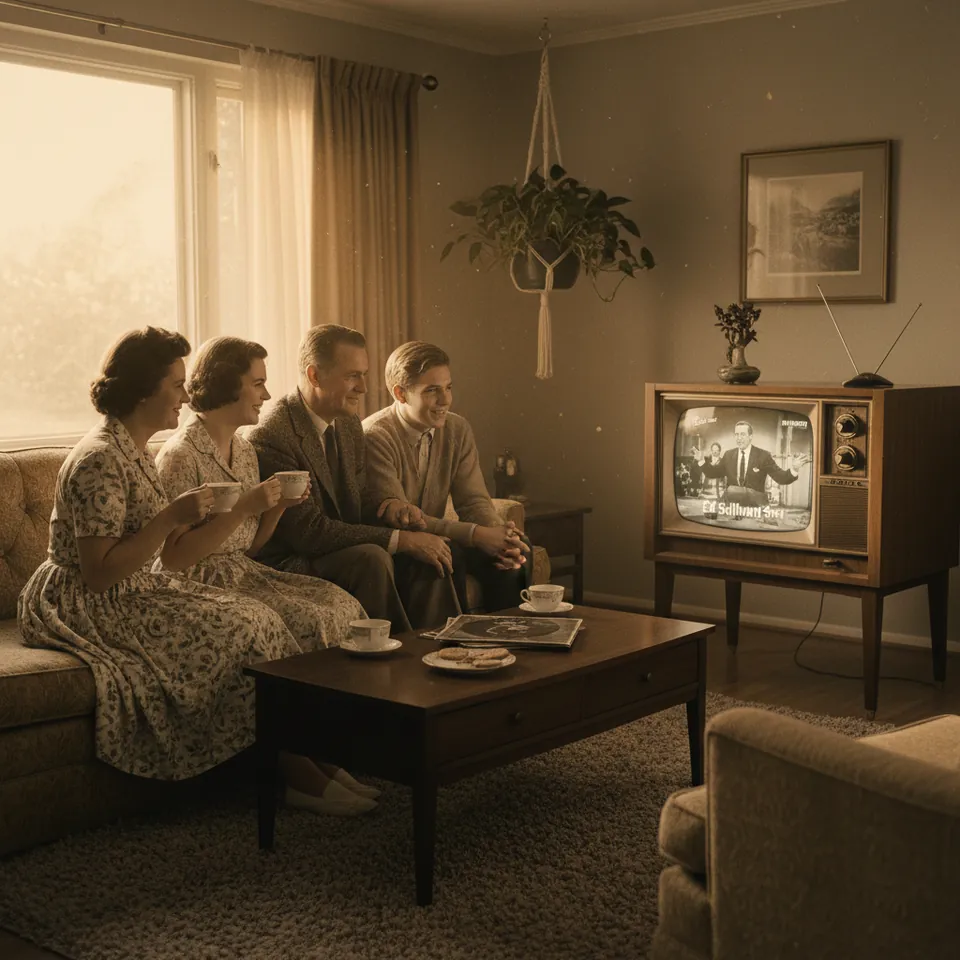
Sunday Evening with The Ed Sullivan Show
The Ed Sullivan Show brought very different performers into one weekly broadcast. Remember the family’s reaction to the unexpected act, not just the famous names.
Read the storyExplore everyday places, objects, and rituals remembered from the 1960s in the WistMem memory archive. Search for something you remember ↗
A selection across topics
145 stories · Page 11 of 13
The Ed Sullivan Show brought very different performers into one weekly broadcast. Remember the family’s reaction to the unexpected act, not just the famous names.
Read the story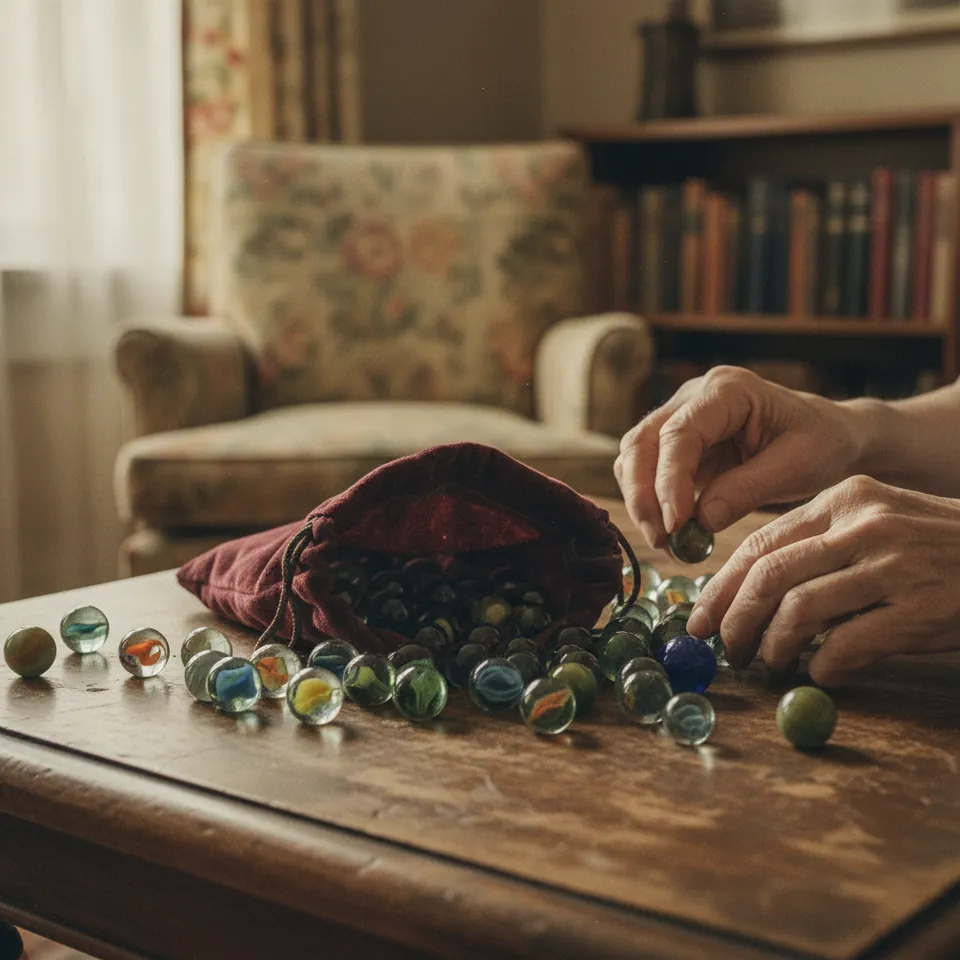
The marble bag held more than glass: favorite shooters, traded colors, and the memory of a circle drawn in dirt.
Read the story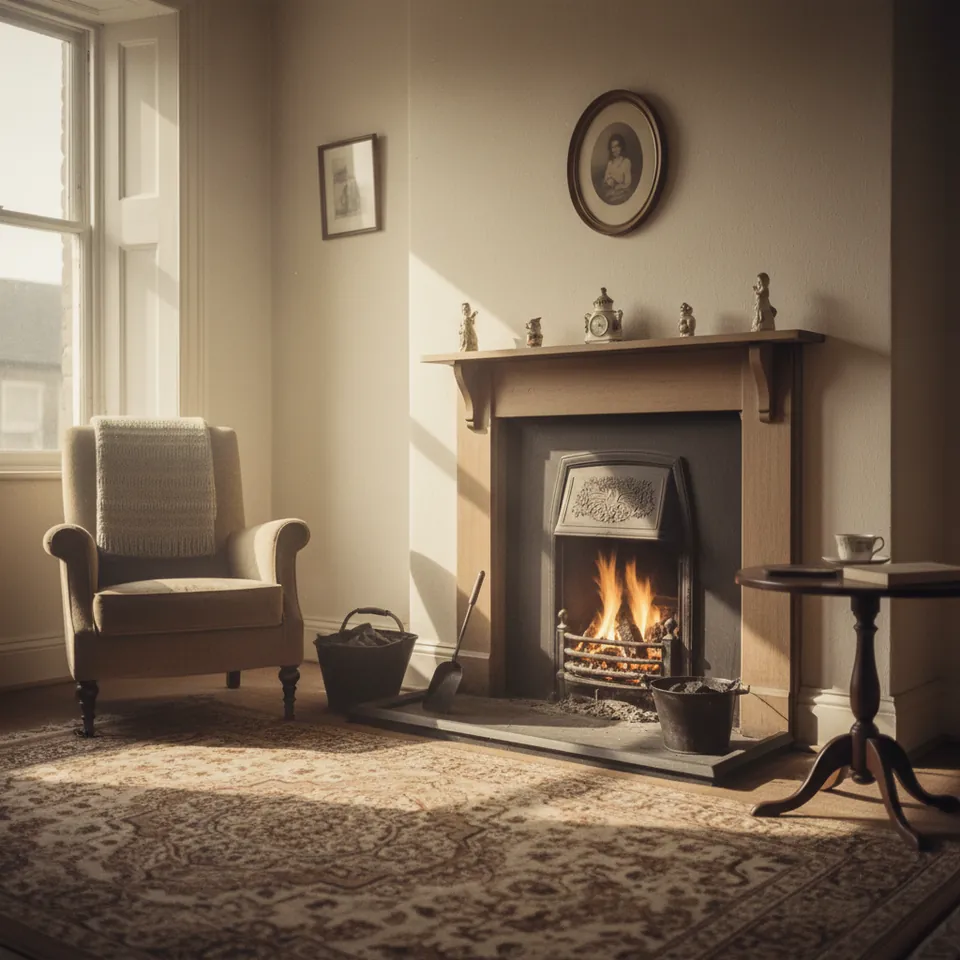
A coal fire could make the front room the center of a winter evening. Keeping it going took fuel, attention, and cleaning; the glow was only one part of the story.
Read the story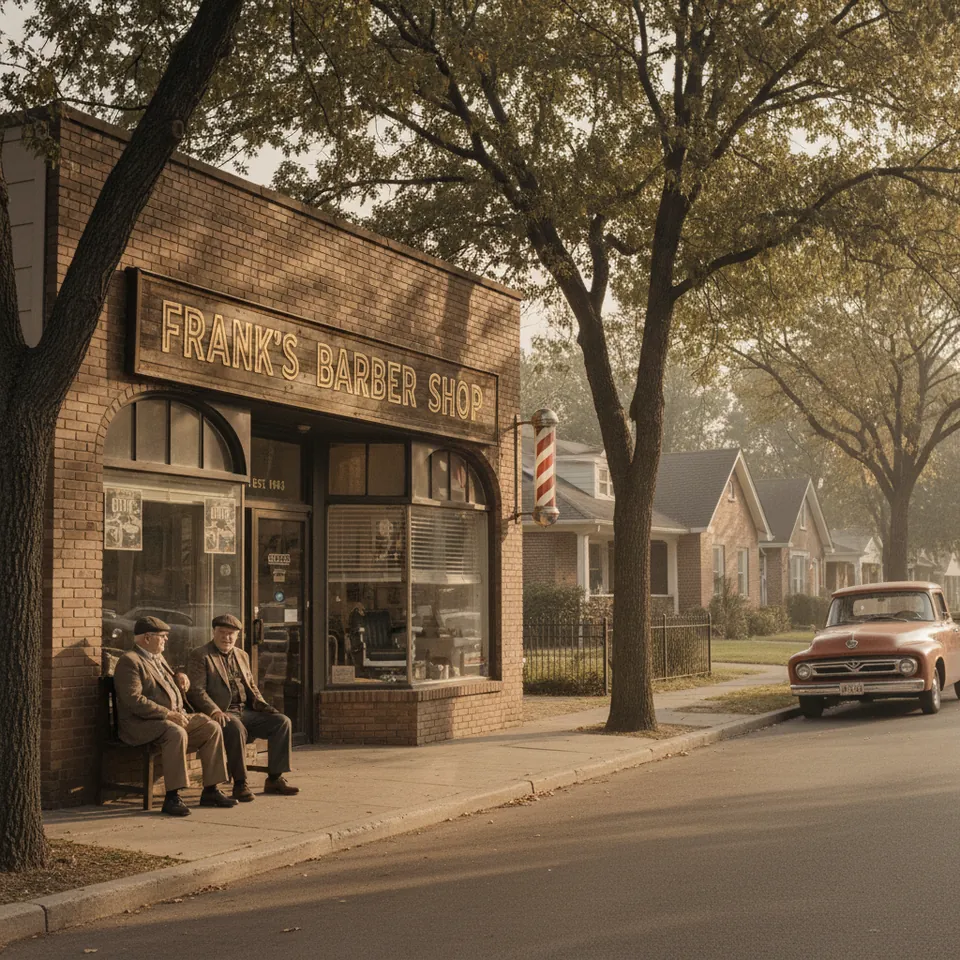
In many Black American communities, a barbershop could be a business, a place to meet, and a rare setting for frank conversation. Its particular owner and customers shaped that role.
Read the story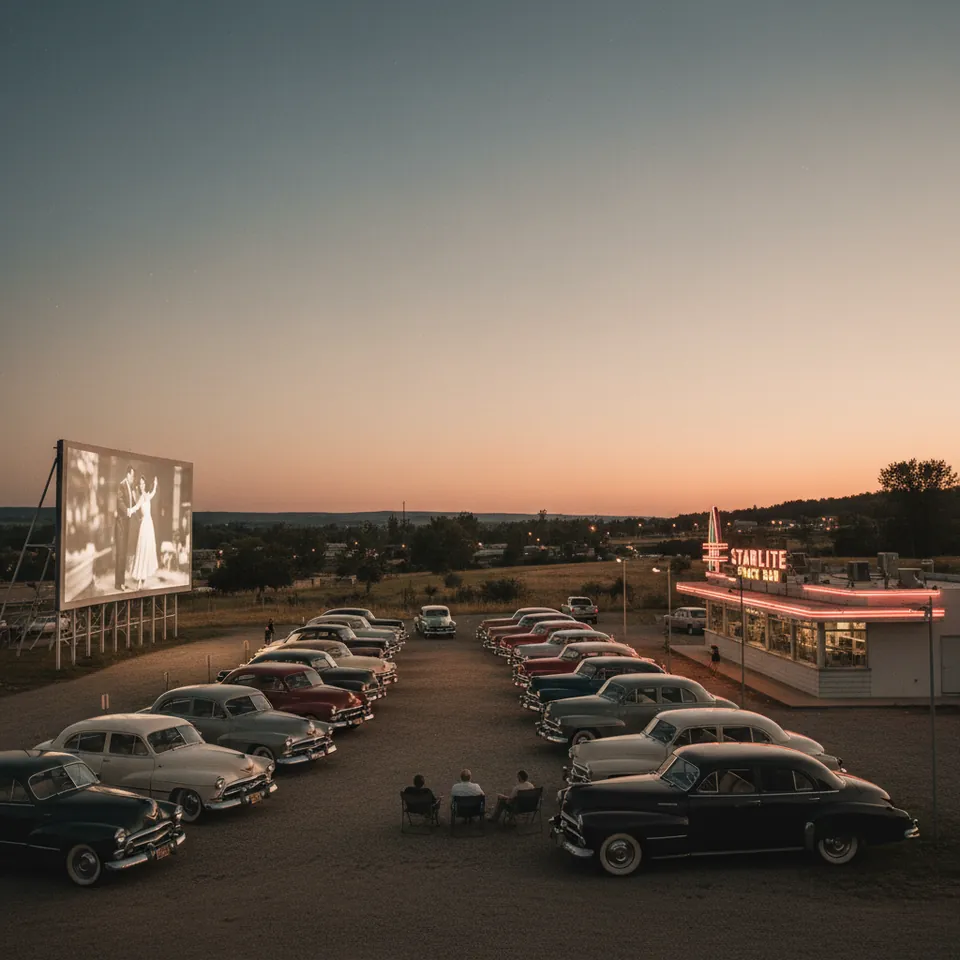
At a drive-in, the movie was only part of the outing. The arrangement of cars, screen, food, and sound made each site a different kind of cinema.
Read the story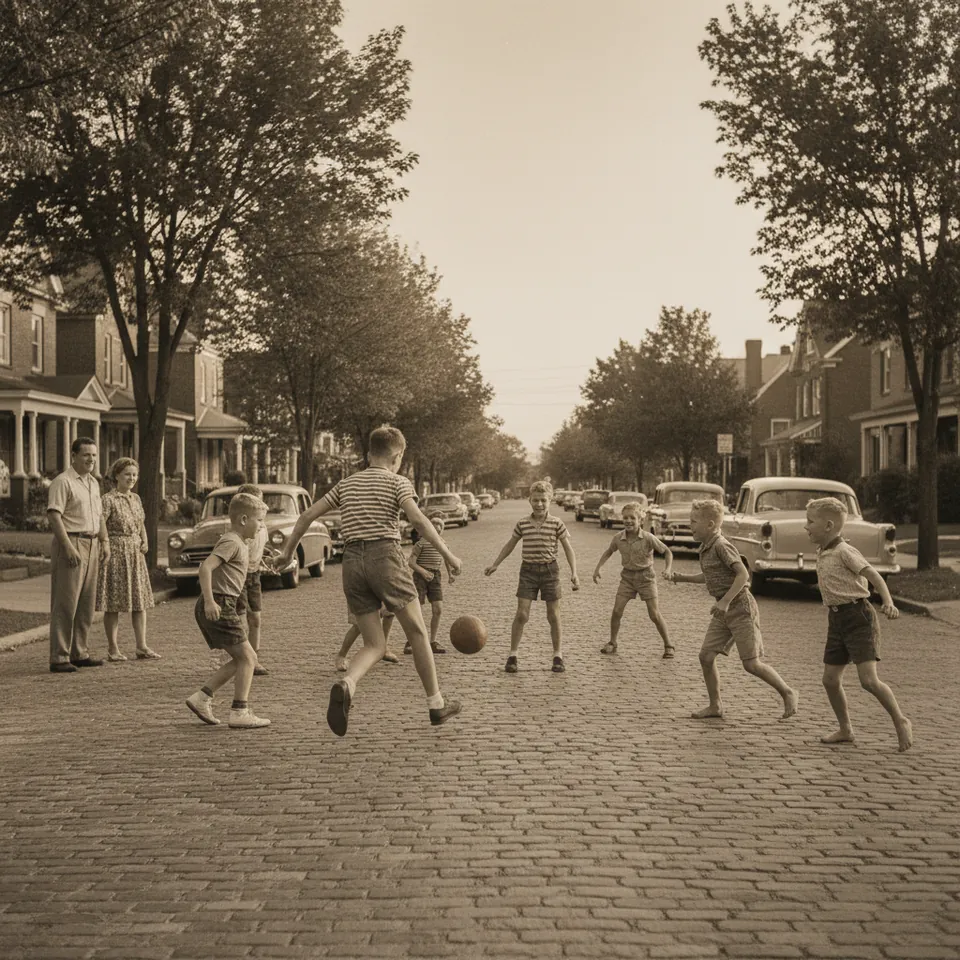
An informal street kickabout turned a spare ball and a patch of ground into a game whose teams and rules belonged to the children there.
Read the story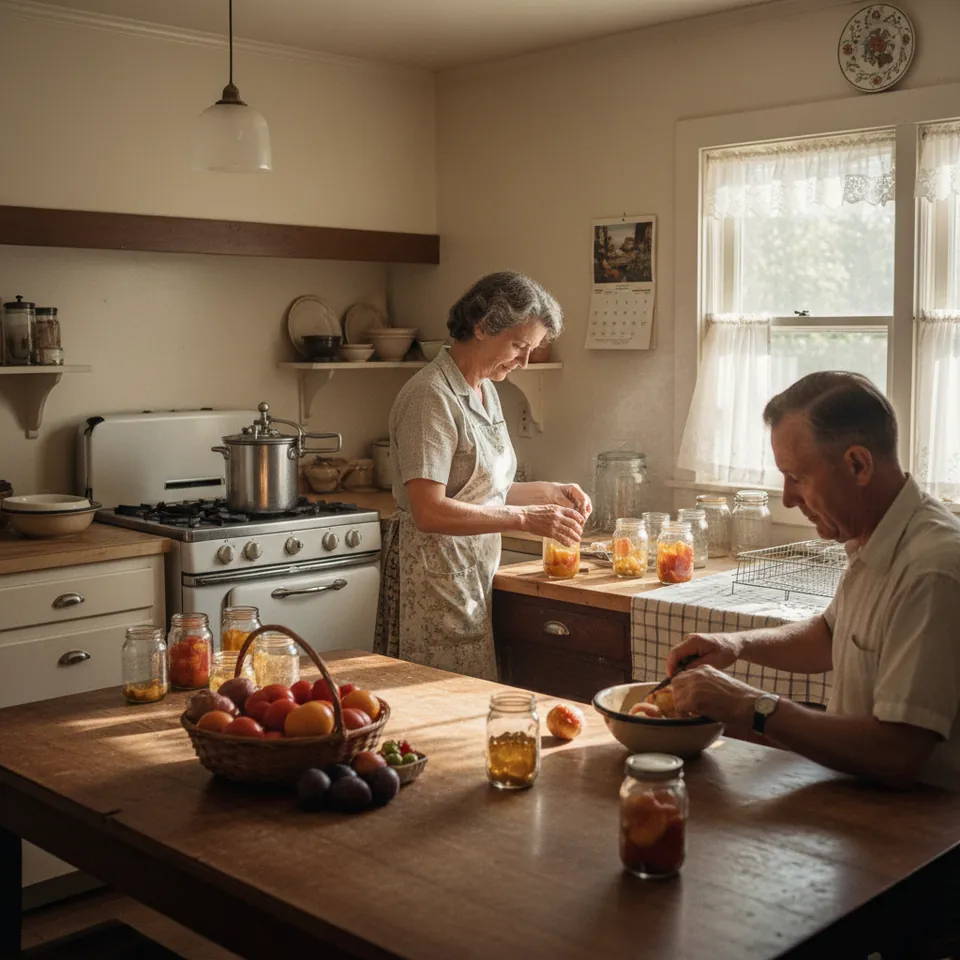
Late-summer canning turned a glut of produce into jars for later meals. The sounds and shared labor are worth remembering; old processing instructions still need checking against current tested guidance.
Read the story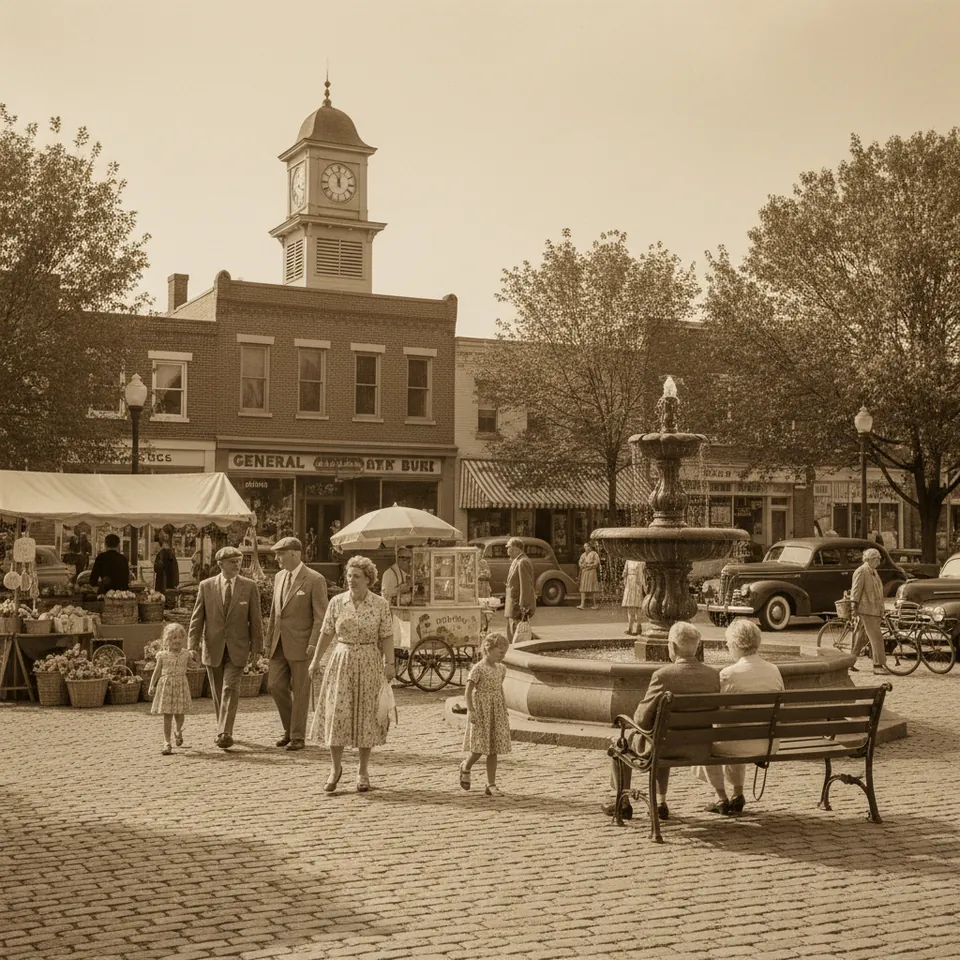
A Saturday town square joined errands with chance encounters. Historic plans show how shops, banks, and public space could gather daily life into one walk.
Read the story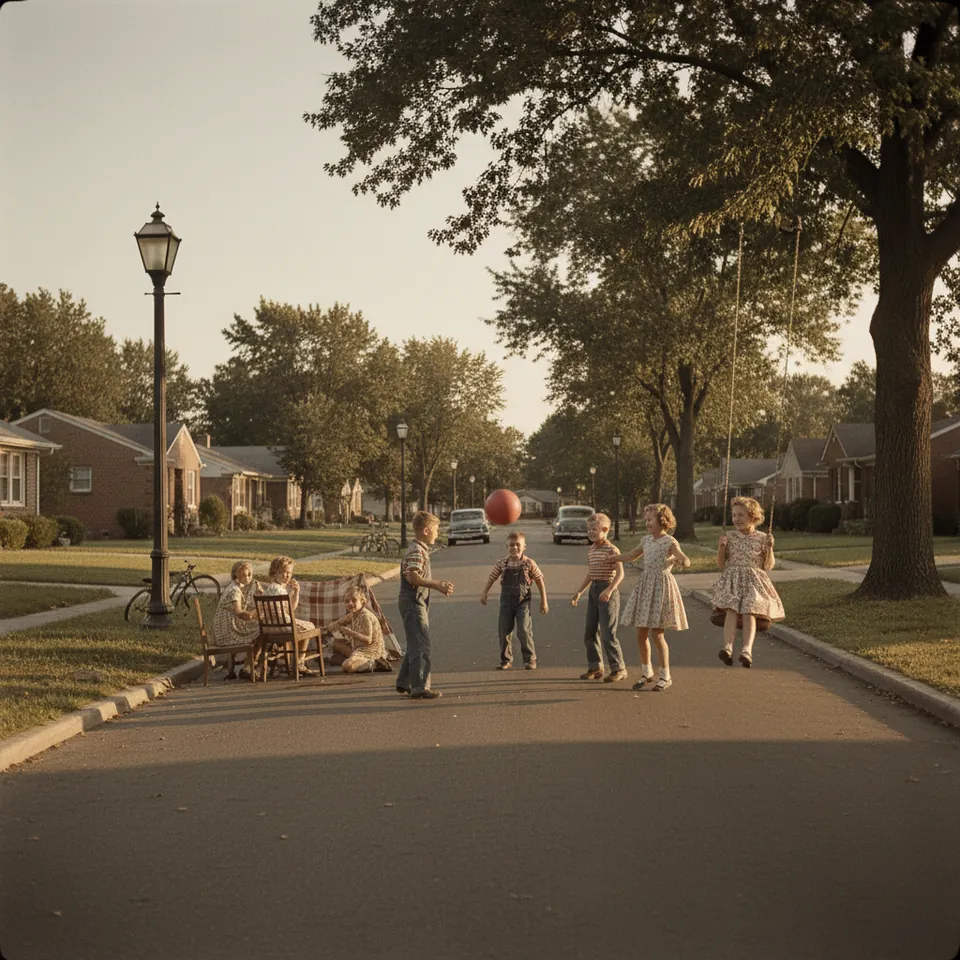
For many families, the streetlight marked the end of an outdoor game. Oral histories show how streets, games, traffic, and household rules shaped those long afternoons.
Read the story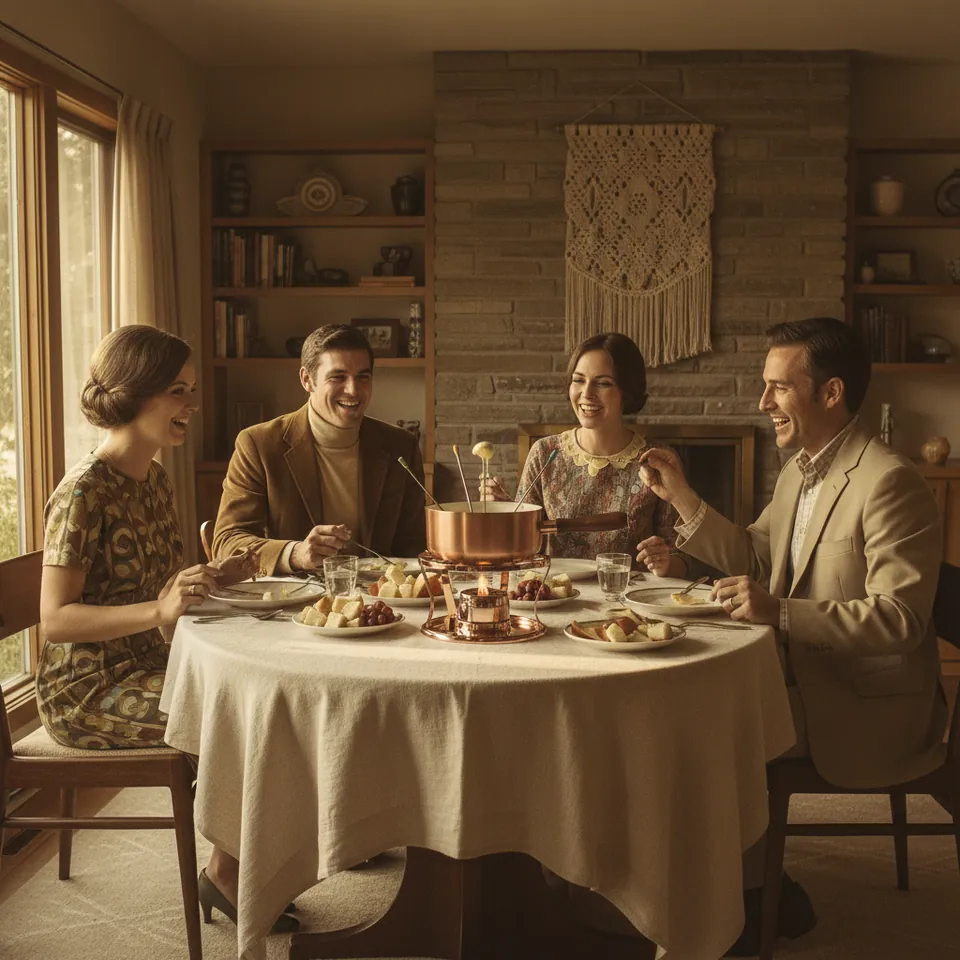
The fondue set let guests cook and eat together around one pot. Smithsonian objects and one documented family account show the appeal behind its mid-century U.S. popularity.
Read the story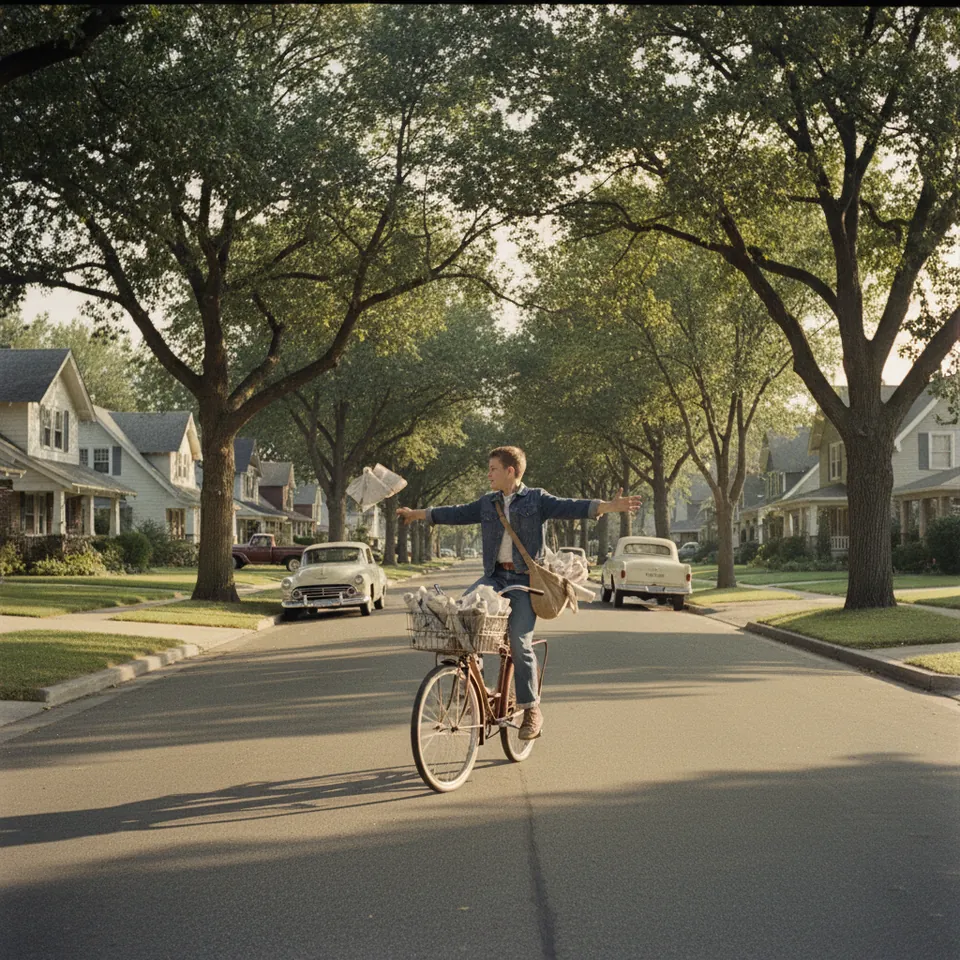
A bicycle newspaper route was a sequence of addresses, bags, and customers. The rider learned how to make the same circuit reliably in changing weather.
Read the story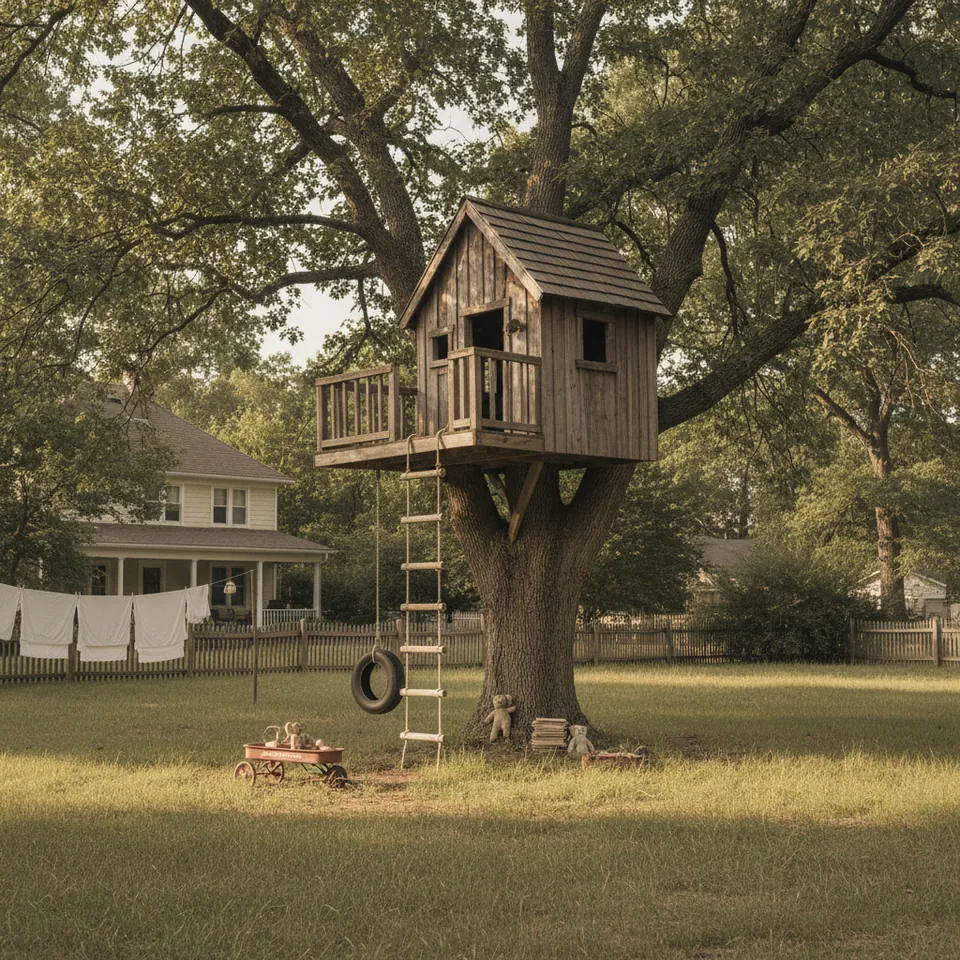
A tree house might be a platform, a rough shelter, or a fully built playhouse. Its meaning came from the people who made and used it; surviving photographs and plans reveal more than a generic image of childhood freedom.
Read the story12 memories shown of 145
Public memory submissions are currently unavailable. You can still use our free questions with your family.
Find a question ↗