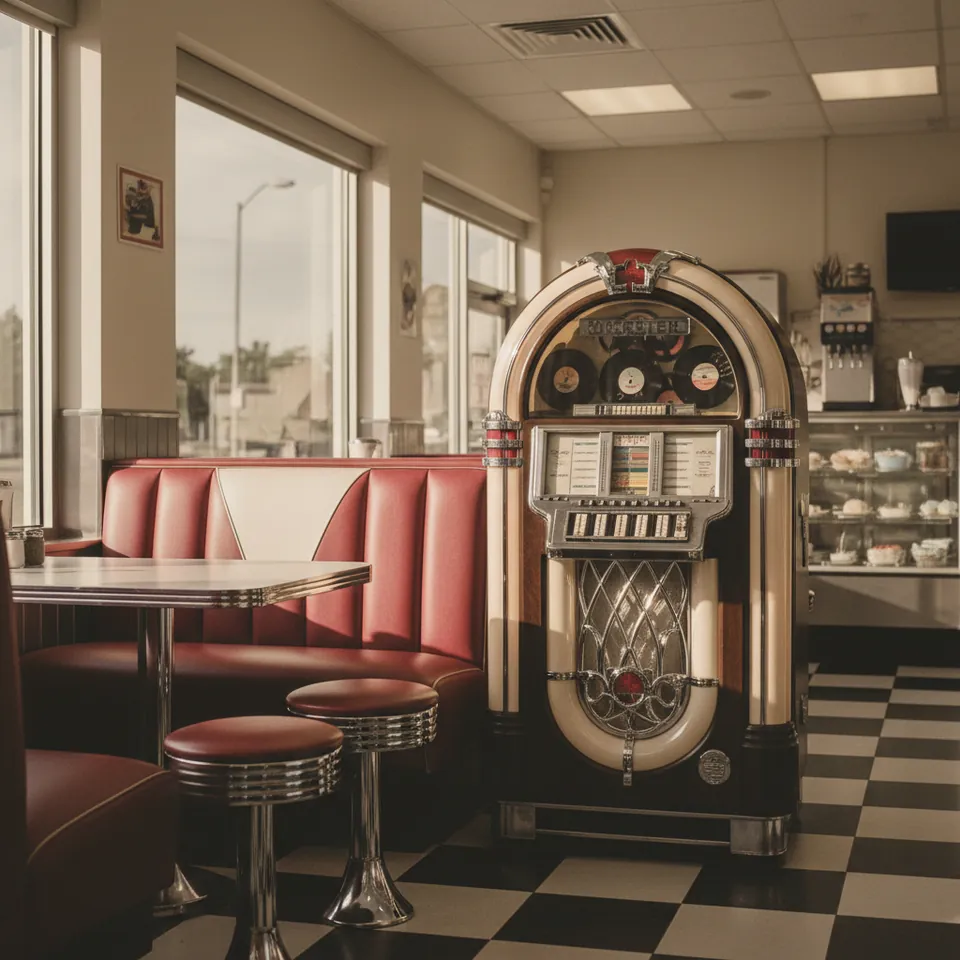
Choosing One Song at the Diner Jukebox
A coin and a numbered button made a diner booth part of the music system. Who chose the song, and how did the room respond?
Read the storyExplore everyday places, objects, and rituals remembered from the 1960s in the WistMem memory archive. Search for something you remember ↗
A selection across topics
145 stories · Page 10 of 13
A coin and a numbered button made a diner booth part of the music system. Who chose the song, and how did the room respond?
Read the story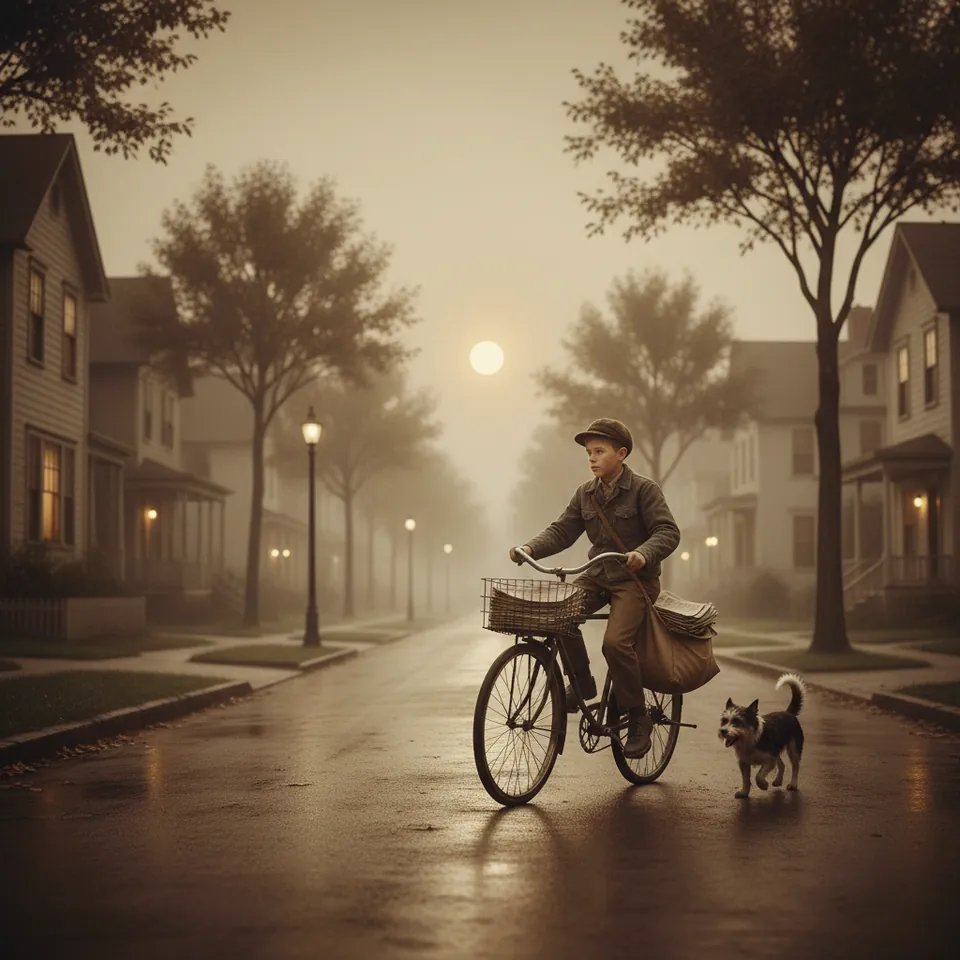
A morning paper route meant sorting, carrying, and reaching each doorstep before school. The familiar memory of independence also belongs to a longer, less simple history of child labor.
Read the story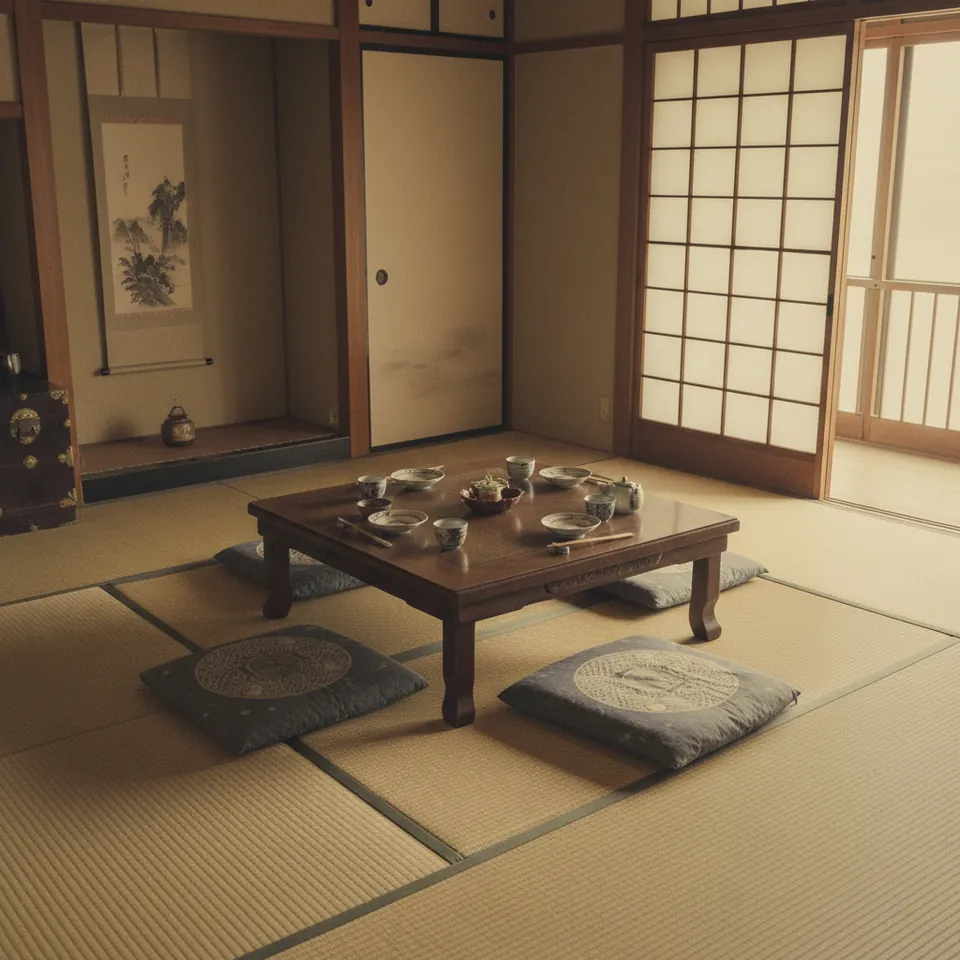
Tatami, cushions, and a low table make dining a spatial memory as well as a food memory. Museum and Japan House records help describe the room without reducing Japanese homes to one pattern.
Read the story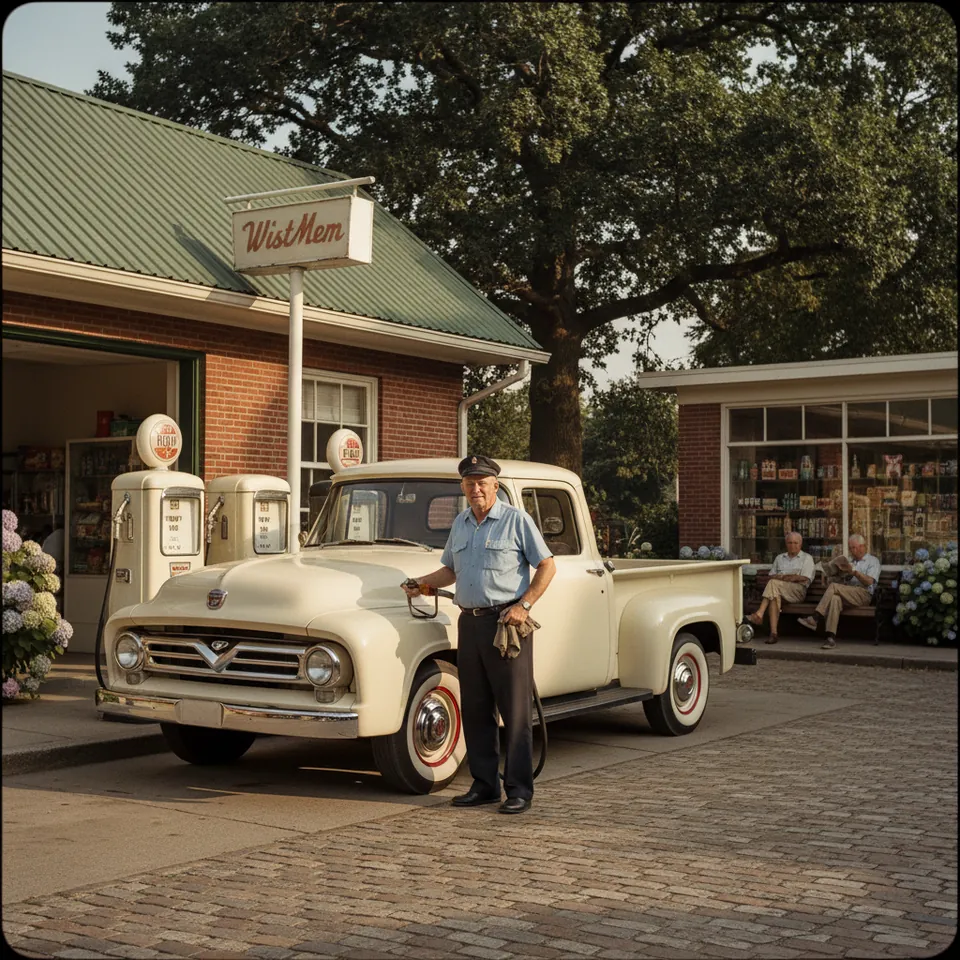
At a full-service petrol station, an attendant handled the pump and often became part of a driver’s route. The exchange was practical and local.
Read the story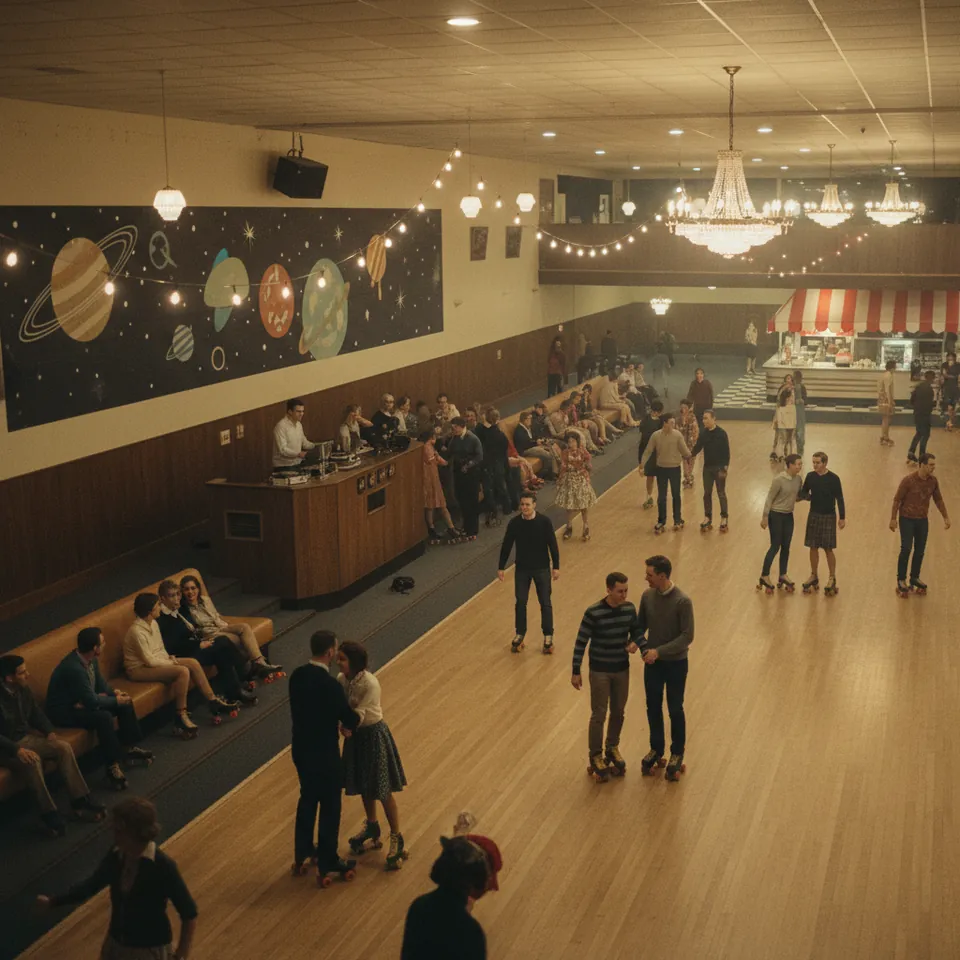
A Friday rink session mixed skating skill with a social ritual: finding your feet, moving with the floor traffic, and deciding when to leave the rail.
Read the story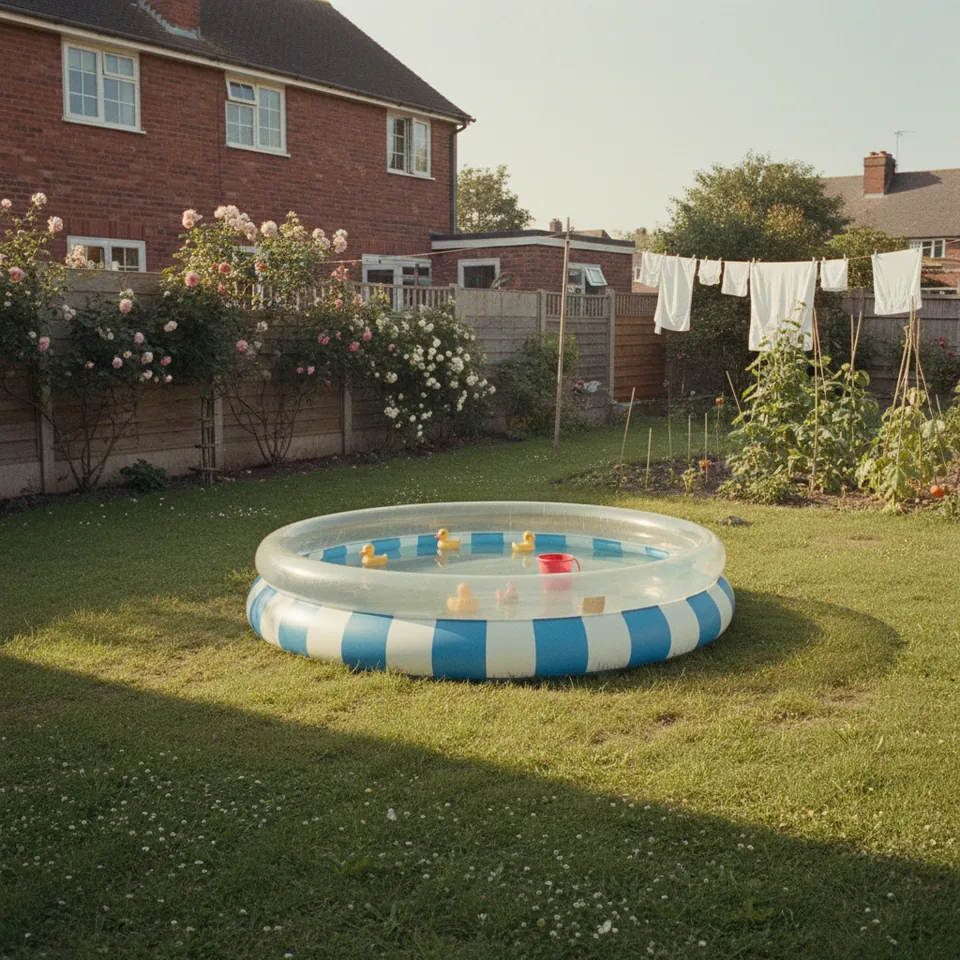
A garden paddling pool made a patch of lawn feel like a holiday. Filling it, waiting for the water to warm, and sharing the limited space were part of the day.
Read the story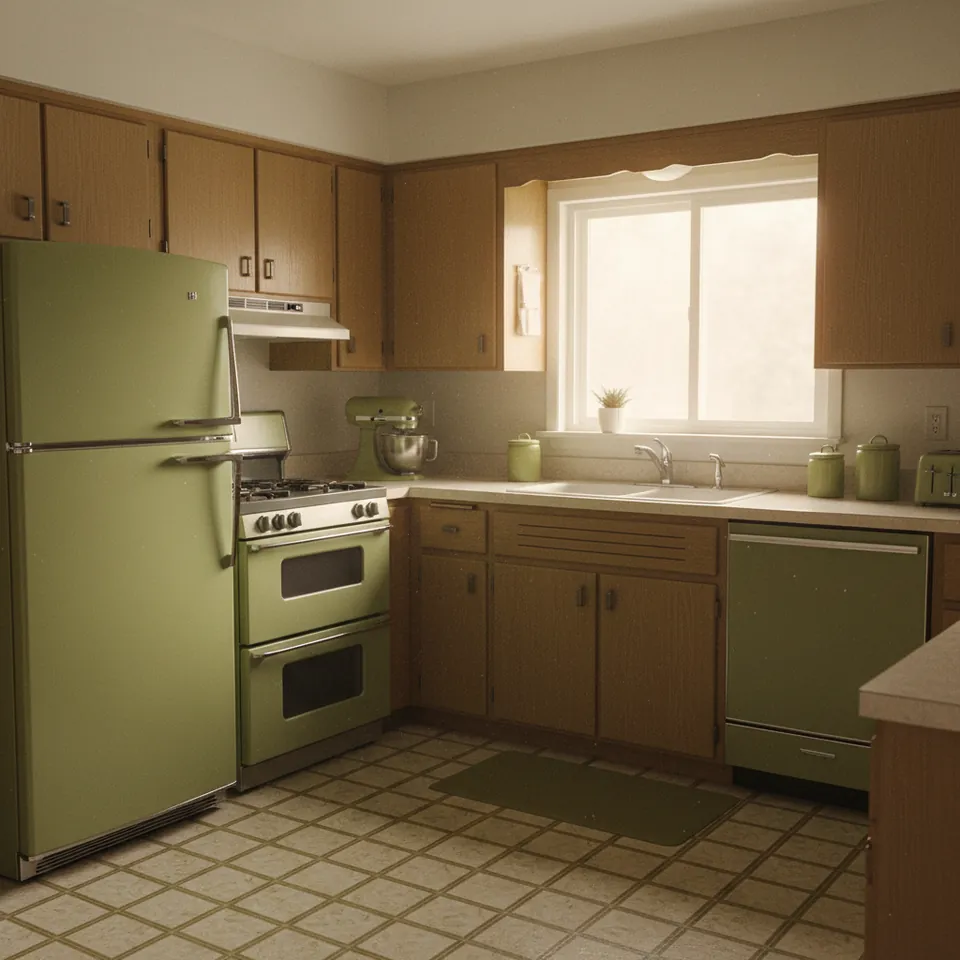
Avocado green was more than a punch line about old kitchens. Surviving appliances show how color, convenience, and changing ideas of modern domestic life met on the counter.
Read the story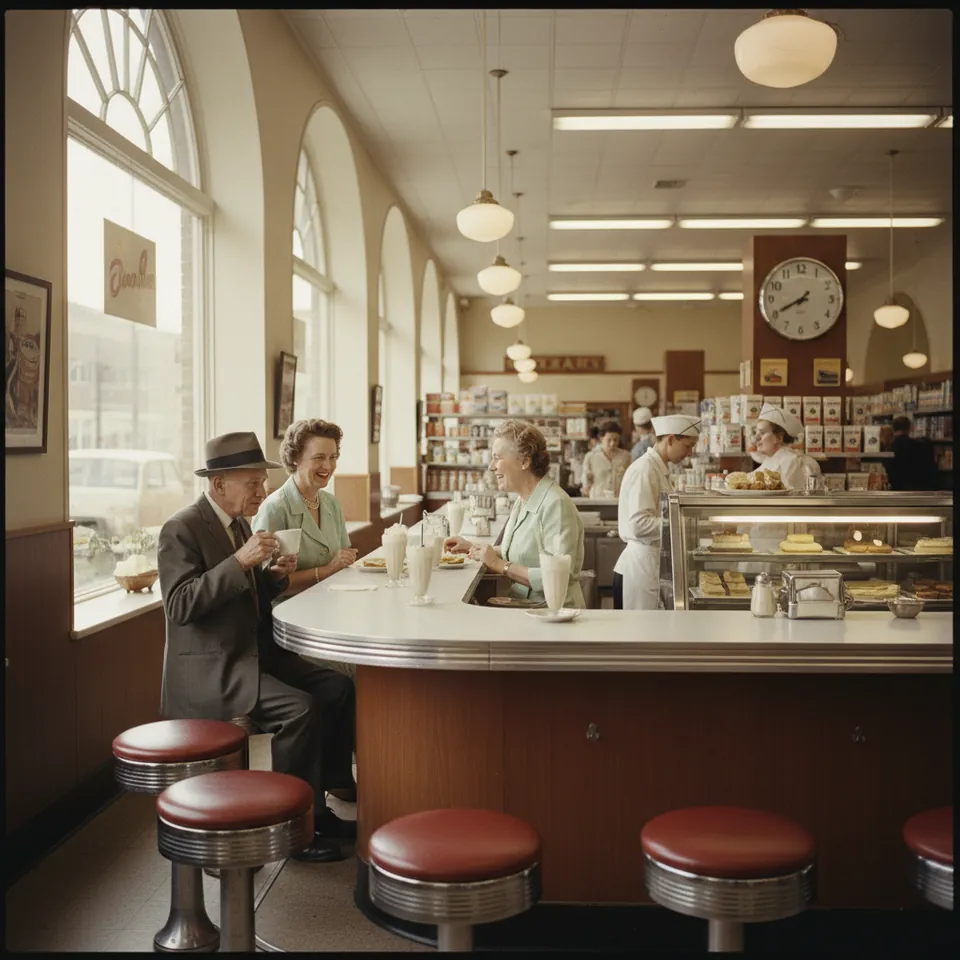
A store restaurant turned shopping into an outing. Historic photographs show the spaces; the history of segregated counters reminds us that access to a seat was never the same for everyone.
Read the story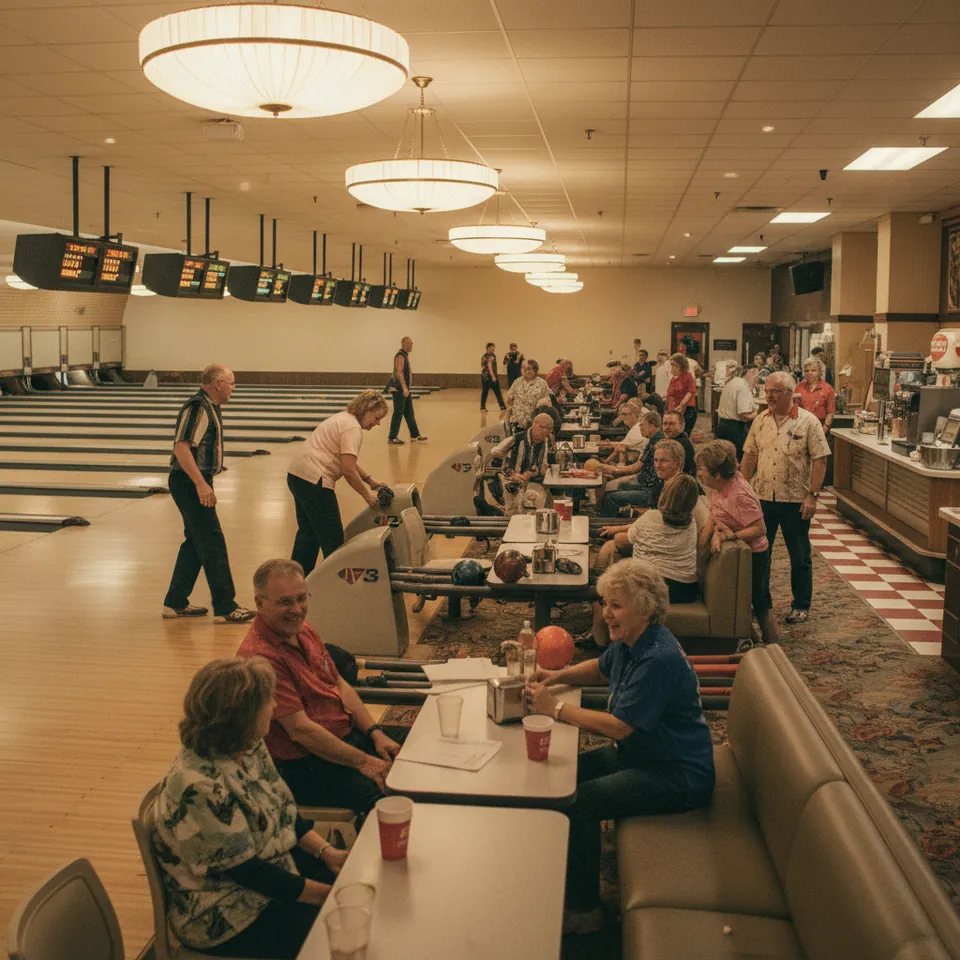
League night made the bowling alley a recurring social commitment. The scores mattered, but so did seeing the same teams, partners, and staff each week.
Read the story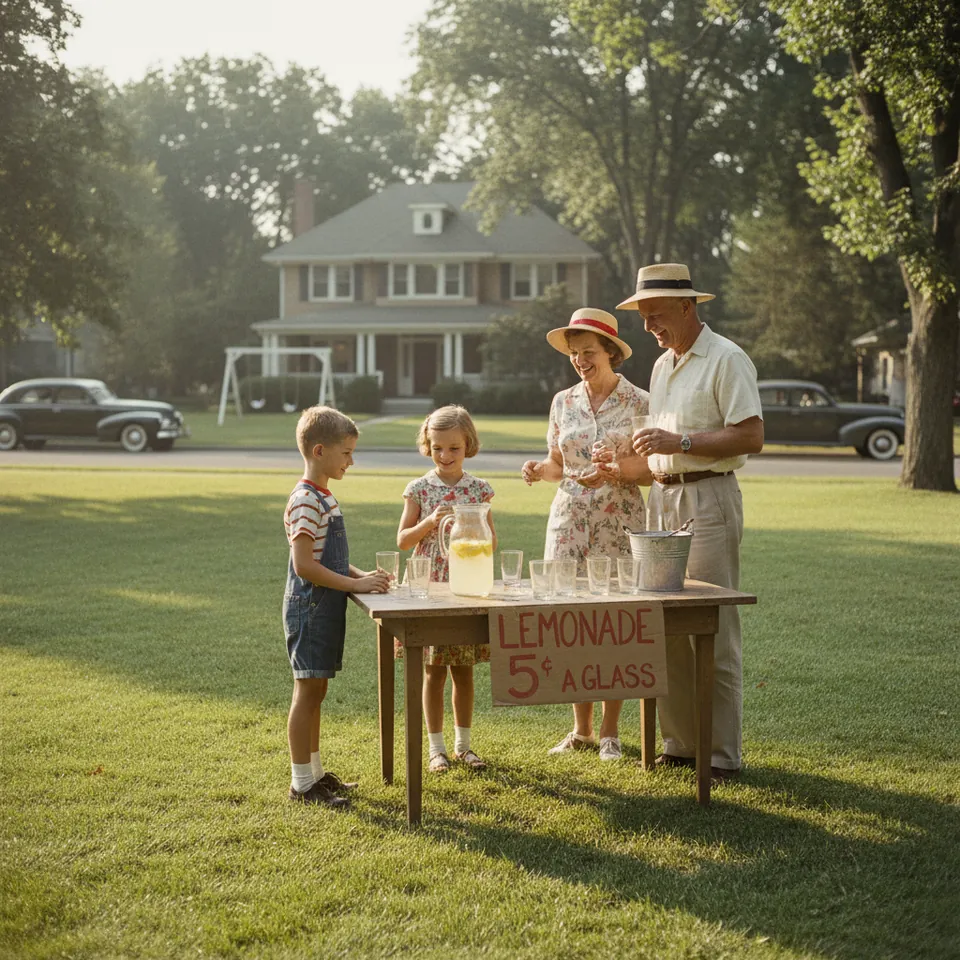
A neighborhood lemonade stand gave children a stage for choosing a price, counting change, and discovering who would actually stop on a warm afternoon.
Read the story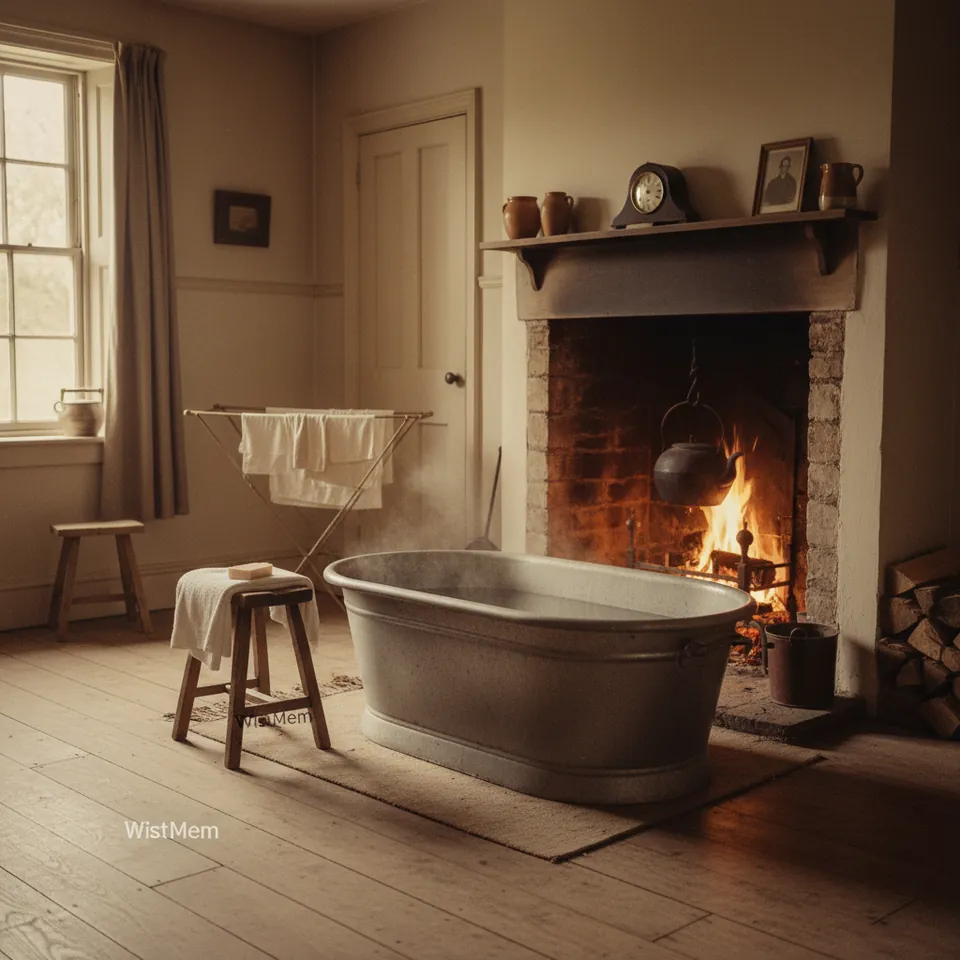
A nineteenth-century tinplate bath in the Science Museum collection shows why bathing required carrying water, heating it, and preparing a warm space.
Read the story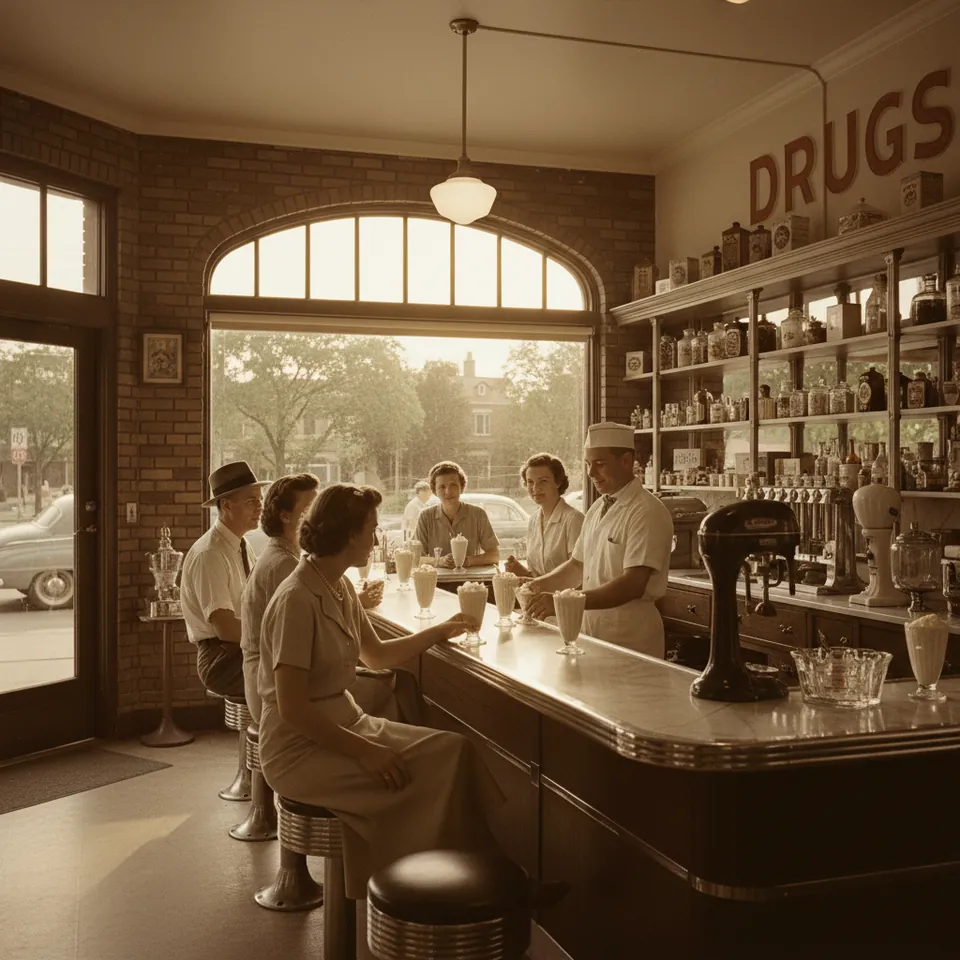
An ornate 1914 fountain from a Maryland pharmacy survives in a local library. Its history shows how medicine, retail, and a public gathering place once shared a corner.
Read the story12 memories shown of 145
Public memory submissions are currently unavailable. You can still use our free questions with your family.
Find a question ↗