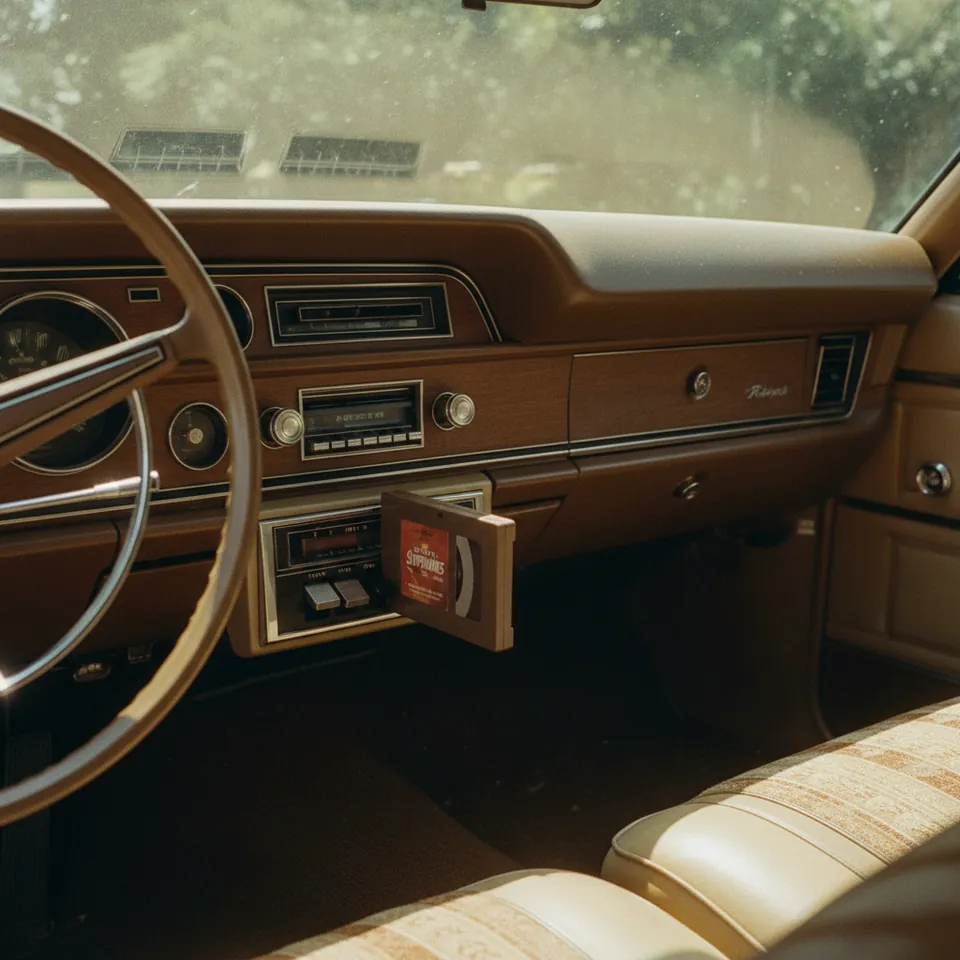
The 8-Track Tape Player in the Car
The 8-track cartridge let a driver choose recorded music on the road. Ford records and a Library of Congress interview place the device in cars without making every family trip sound the same.
Read the storyThe clicks, rings, and winding dials we remember. Explore 1970s stories in the WistMem memory archive. Search for something you remember ↗
20 stories · Page 2 of 2
The 8-track cartridge let a driver choose recorded music on the road. Ford records and a Library of Congress interview place the device in cars without making every family trip sound the same.
Read the story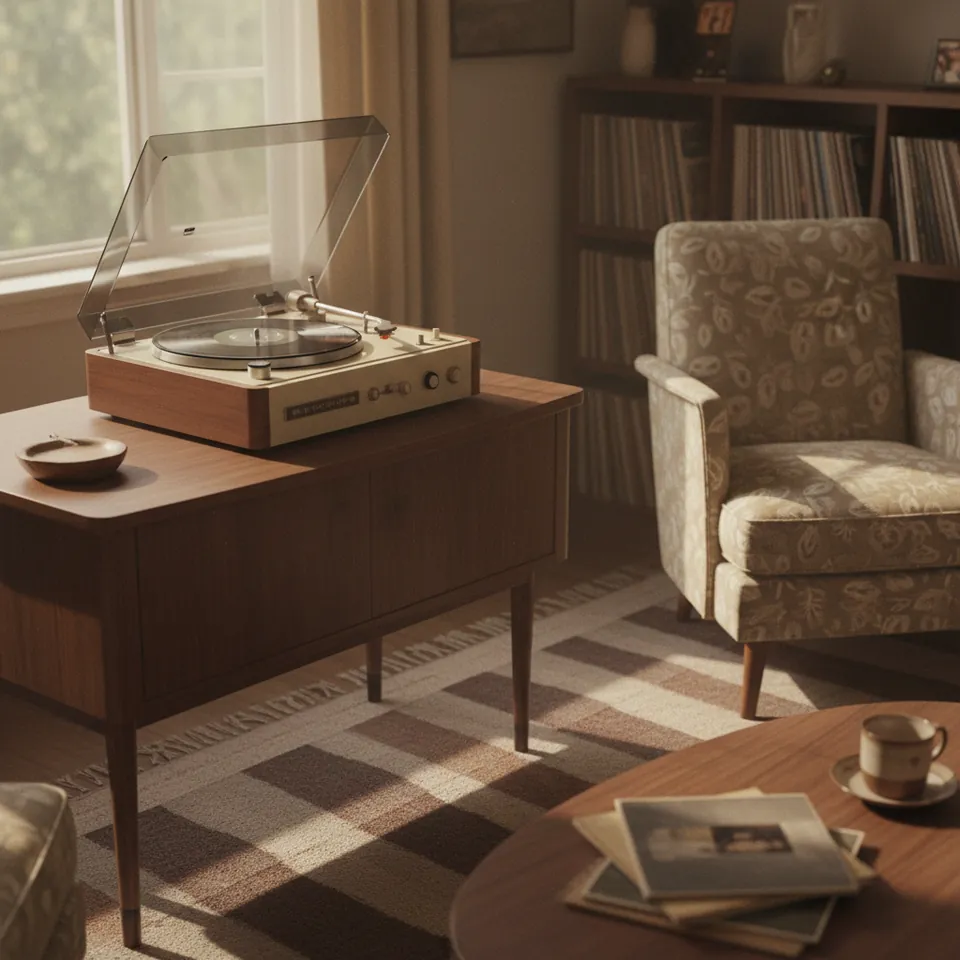
A stylus followed the groove to reproduce recorded sound, while the sleeve and side change made listening a small household ritual. Library of Congress guides explain the mechanism and care.
Read the story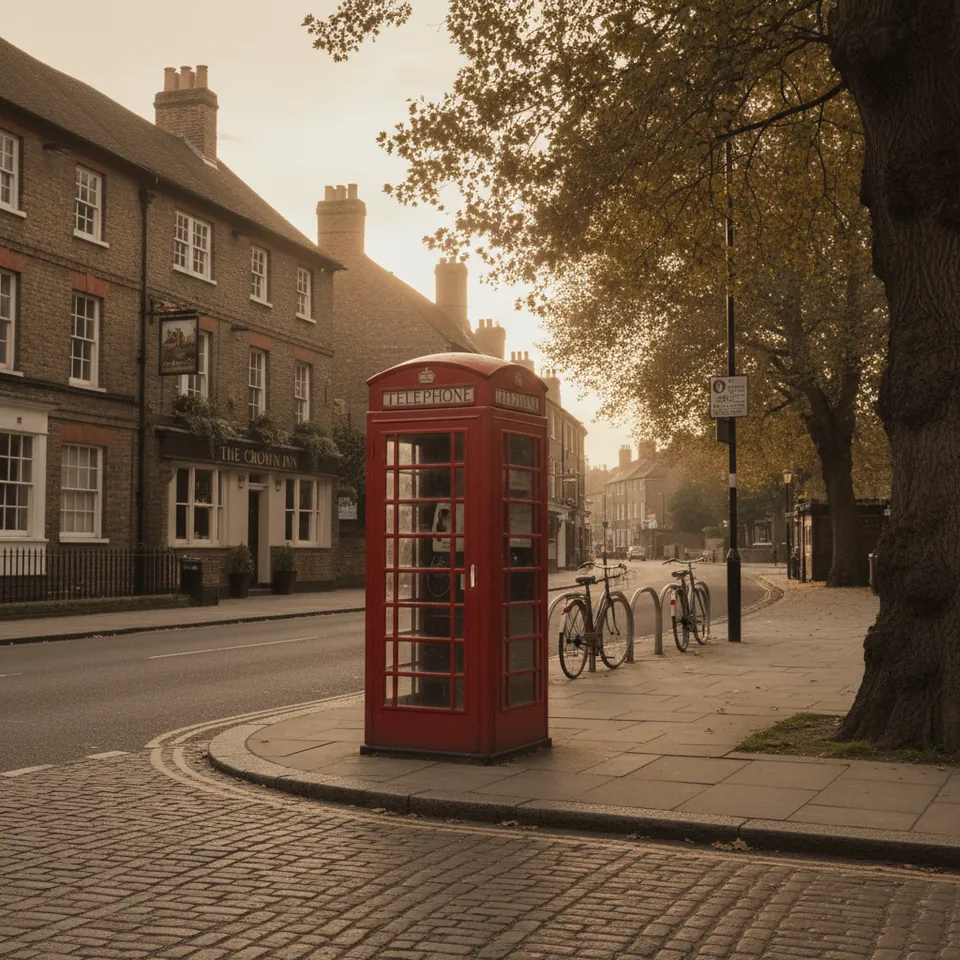
The K6 telephone kiosk was designed for a practical network of public calls. Its red shape also became a familiar landmark in towns and villages.
Read the story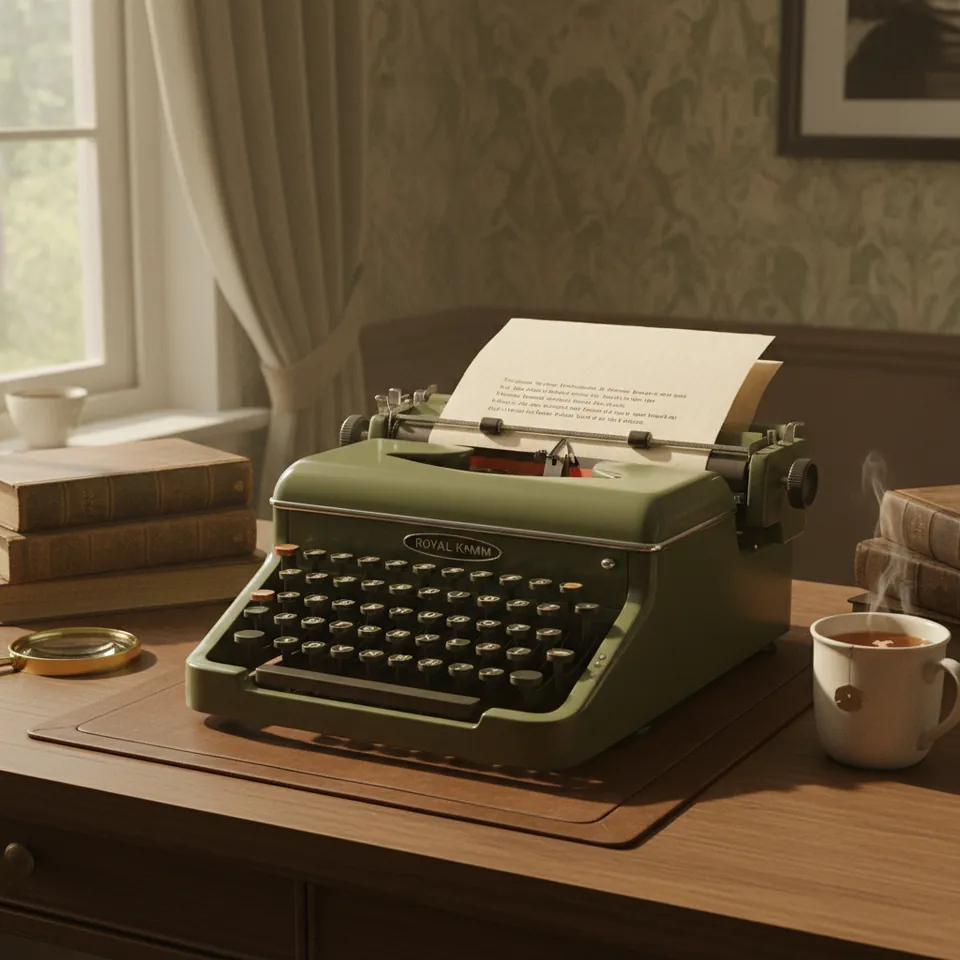
The click of keys came from typebars, ribbon, paper, and a moving carriage. A Smithsonian description of Maya Angelou's machine shows how the parts made a typed page.
Read the story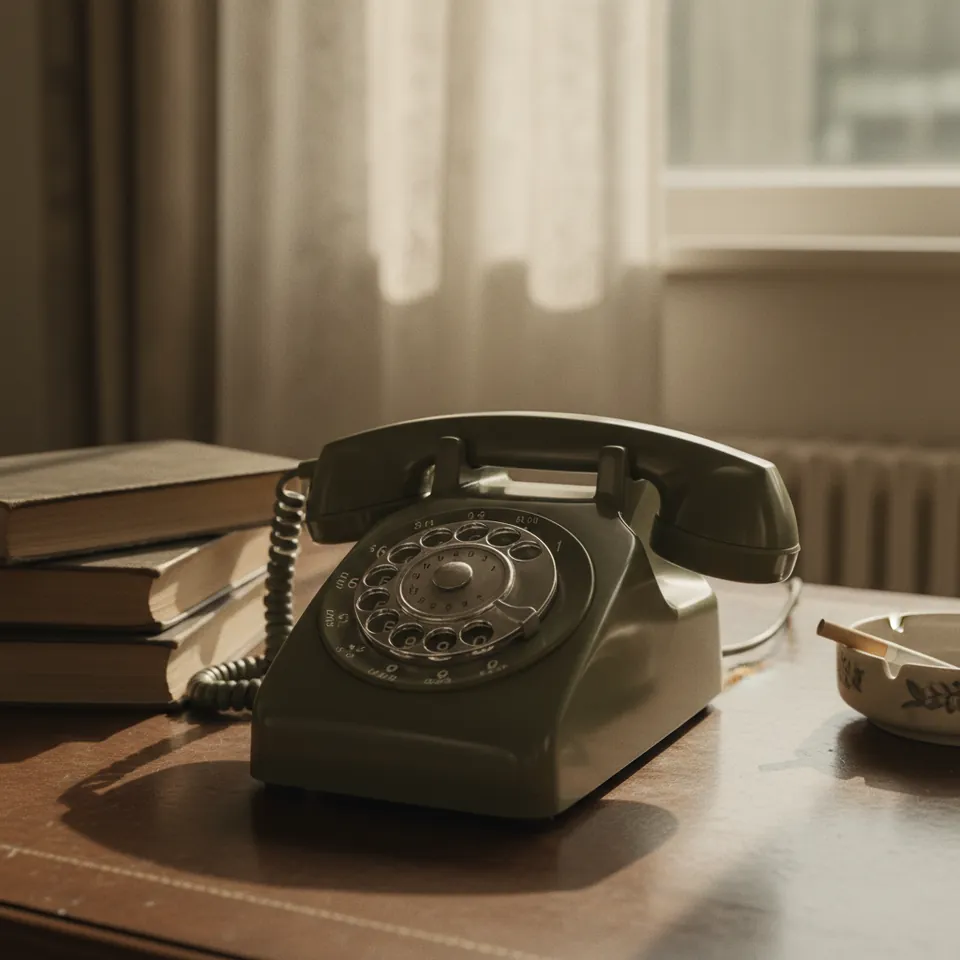
A rotary dial turned finger movement into pulses for the exchange. Its rhythm made dialing a small act of patience before the call began.
Read the story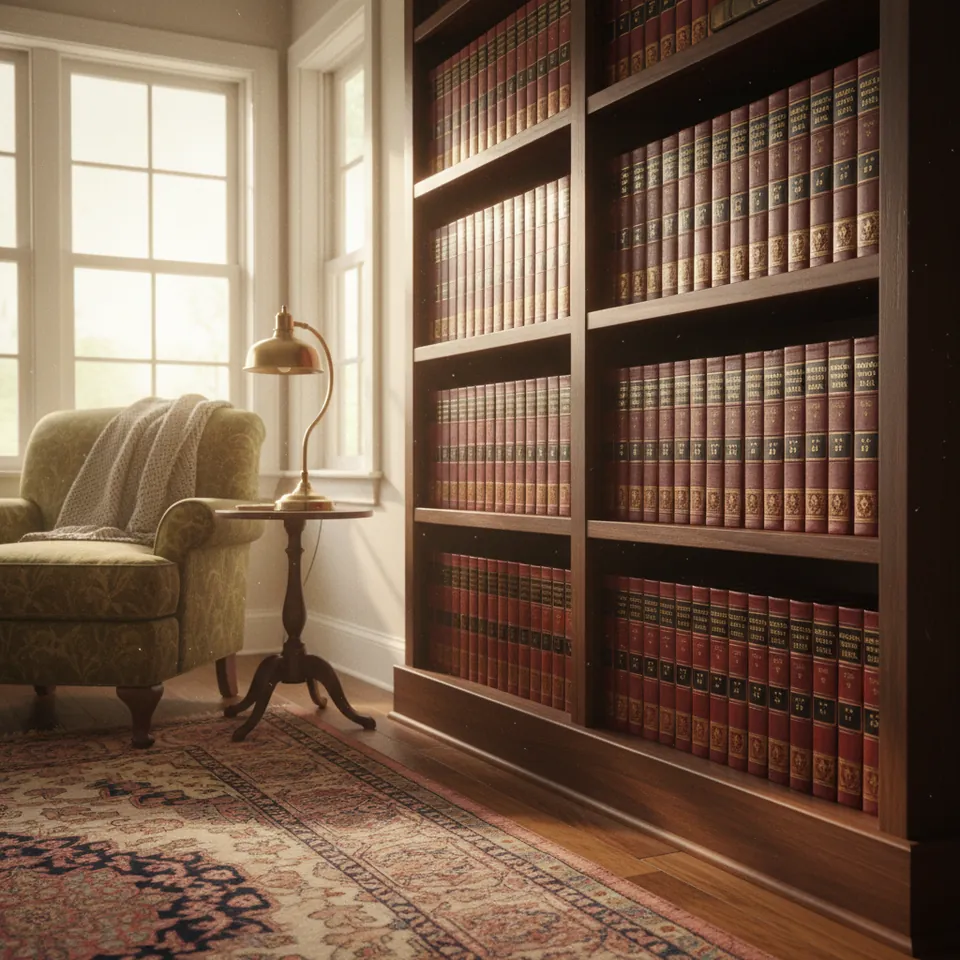
A printed Britannica set could stand in a home for decades. Its edition date matters because knowledge kept changing while those volumes stayed the same.
Read the story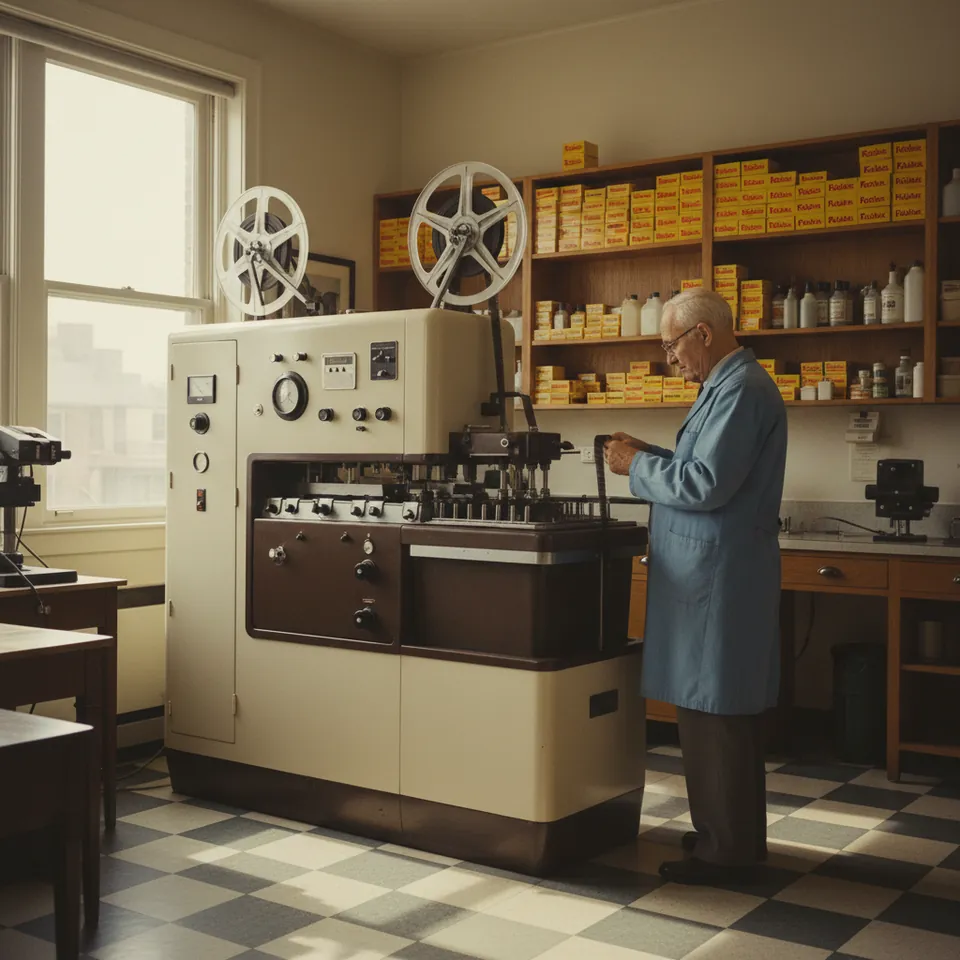
With ordinary film, a finished roll went to a processor and came back as negatives and prints. Kodak records show how lab services evolved; family memories supply the wait and the surprise.
Read the story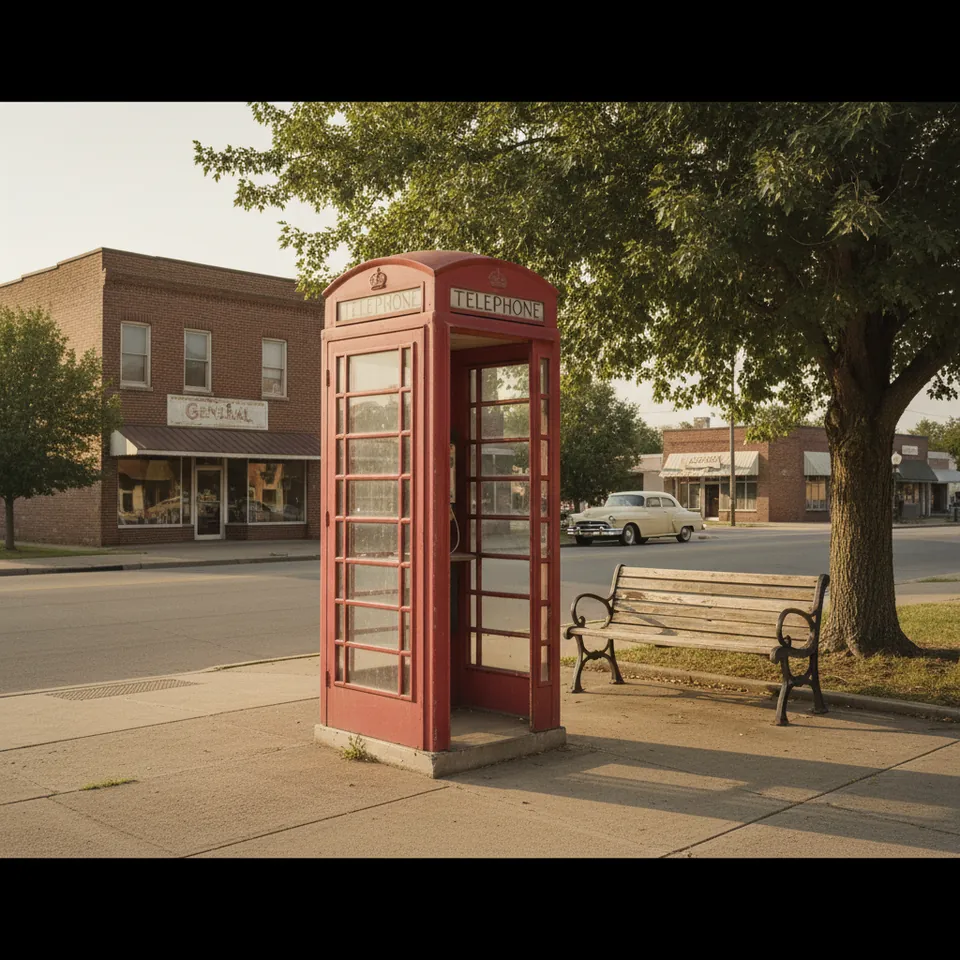
A coin-operated booth let someone call from away from home. Finding it, paying, and speaking with people waiting outside shaped the conversation.
Read the story8 memories shown of 20
Public memory submissions are currently unavailable. You can still use our free questions with your family.
Find a question ↗