Make this page easier to read
Your choices are saved on this device.
With ordinary film, a finished roll went to a processor and came back as negatives and prints. Kodak records show how lab services evolved; family memories supply the wait and the surprise.
A family could come home from a trip with a full roll of film but no pictures to show yet. The camera held exposures that had to be developed; the little envelope from the photo lab would arrive later. Opening it meant finding both successful moments and the blurred one nobody remembered taking. The wait became part of how an occasion was recalled.
What came back from the lab?
For a color-negative roll, processing made a strip of negatives from which paper prints could be produced. The negatives were more than an afterthought: they could be used to make another print or a larger one later. Kodak's company milestones record its 1942 KODACOLOR film for prints and, decades later, retail stations that made new prints from negatives and slides. The technologies changed, but the relationship between exposed film, processed original, and chosen print remained central to many household albums.
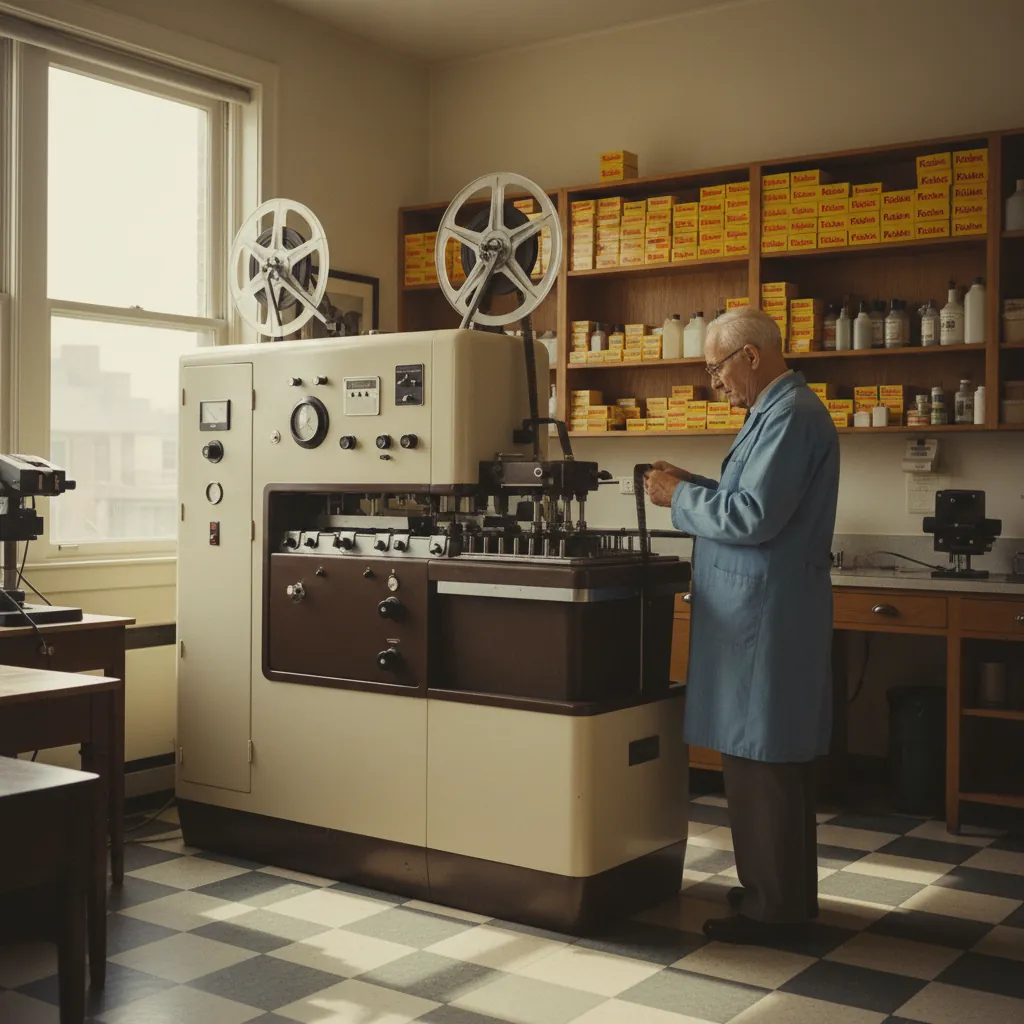 Illustration created for WistMem; not an archival photograph.
The family's particular experience depended on format and era. A slide roll, a one-time-use camera, and a color-negative cartridge did not all return the same kind of result. Ask what was handed in, where it went, how long it took, and whether the envelope held both prints and negatives. A dated lab sleeve or shop stamp can answer some of those questions when memories blur.
Why keep the negatives?
Prints were handled, passed around, and placed in albums; negatives often stayed in the envelope. That separation can matter now when a favorite print has faded or been lost. The Library of Congress's guide to caring for photographs recommends stable, cool, relatively dry storage and suitable enclosures for photographic materials. Keep matching negatives, prints, and envelopes together in an orderly record without putting adhesive labels on image surfaces.
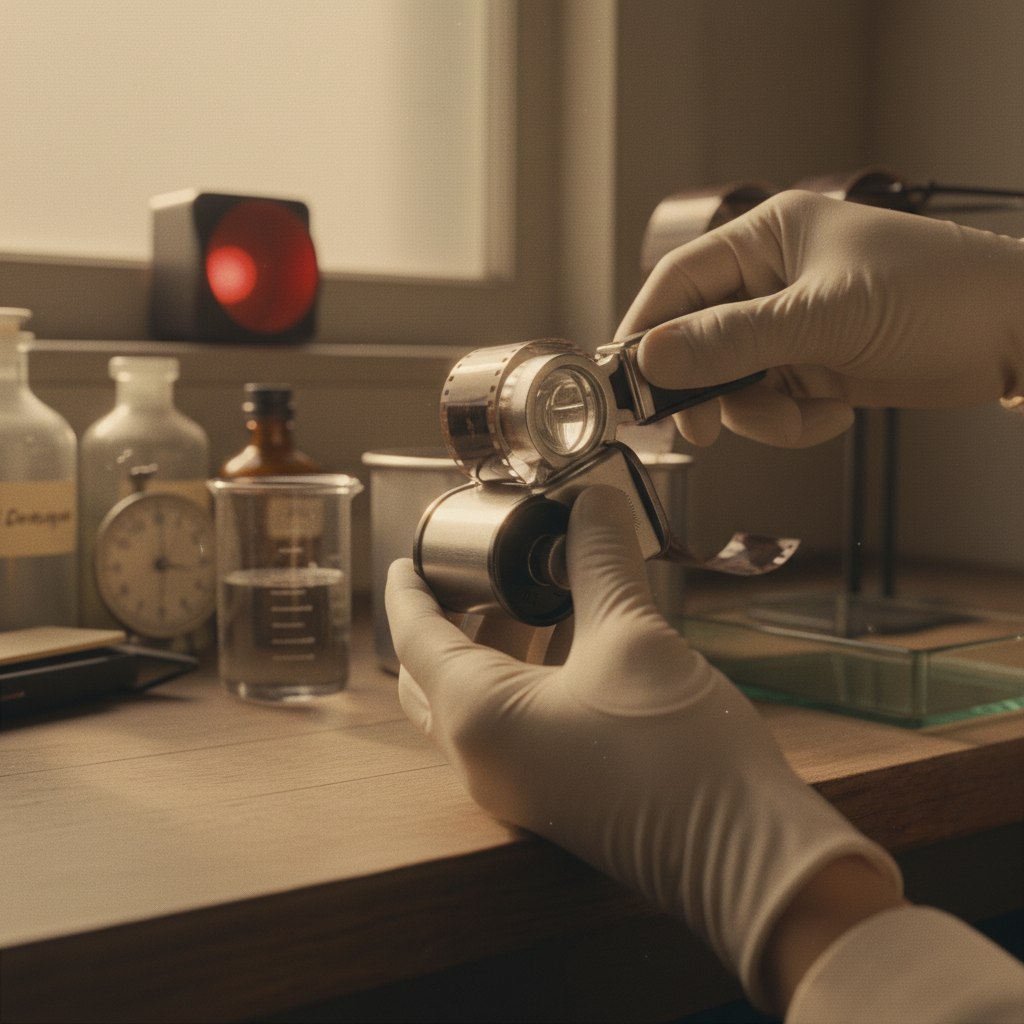 Illustration created for WistMem; not an archival photograph.
Ask a relative which photograph they hoped would turn out when they collected the envelope. The answer may recover a moment that the printed frame alone cannot explain. For the work done by hand in a home or studio, visit The Darkroom and the Red Safelight.
What does it bring back for you?
Ask someone who remembers, or begin with your own version. A few words can be enough.
What object changed how you spent an ordinary day?
Then ask: How did you learn to use it, and what could it not do?
Find more conversation starters Choose what feels comfortable. Ask before recording or sharing someone’s words.Relive the Memory
Find a little of the story.
Something here bring back a memory? Take a look at what you can find today.
Searching for: vintage electronics kodak film photo
Vintage & collectible finds
Look for older objects and collectibles connected to this memory.
Search eBay (opens in a new tab)Related finds on Amazon
Explore items related to the same topic, from familiar styles to things made today.
Search Amazon (opens in a new tab)These links open search results. Items, prices, and availability vary.
Affiliate links. We may earn a commission at no extra cost to you.
As an Amazon Associate I earn from qualifying purchases. As an eBay Partner, WistMem may earn from qualifying purchases.
Does this bring back memories?
Share this story with someone who would remember.