Make this page easier to read
Your choices are saved on this device.
A coin-operated booth let someone call from away from home. Finding it, paying, and speaking with people waiting outside shaped the conversation.
A call made away from home began by finding a working public phone. At a corner booth, the caller stepped out of street noise, picked up the receiver, and tried to make an important conversation fit the coins and time available. The booth offered a little privacy, but its glass and the next person waiting outside made that privacy incomplete. A message might be delivered in fewer words than it deserved.
A small room on a public route
The Smithsonian preserves a Bell System telephone booth, evidence that the booth was designed as equipment as well as street furniture. Another Smithsonian object, a coin-operated booth shaped like a Mercury capsule, shows how unusual the enclosure could be while serving the same practical need. A public phone made communication possible from a station, roadside, or neighborhood corner when carrying one's own phone was not an option.
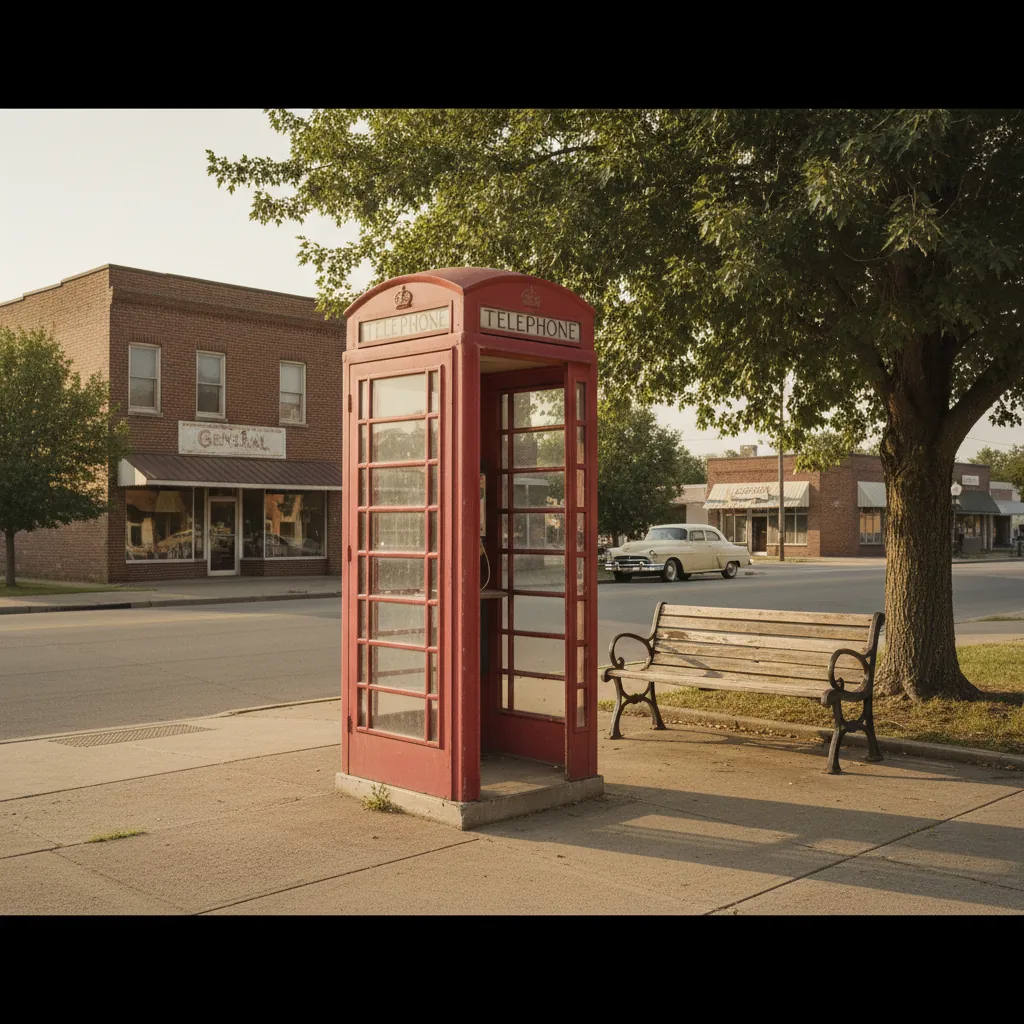 Illustration created for WistMem; not an archival photograph.
The call had stages that a mobile phone later compressed. First locate the number, perhaps in memory or on paper. Then find change, listen for a dial tone, and hope the person answered. If the line was busy or there was no answer, the effort had to be repeated. A caller could not casually send a short text instead. That made an unsuccessful call a small journey with no result.
The conversation under a clock
Coins and people waiting could change what was said. A traveler might call home to confirm arrival, a teenager might ask for a ride, and someone with a pager might search for a booth to return a number. The recipient heard the voice, but not the weather, traffic, or impatient queue around the caller. Those unseen conditions belonged to the caller's memory of the exchange.
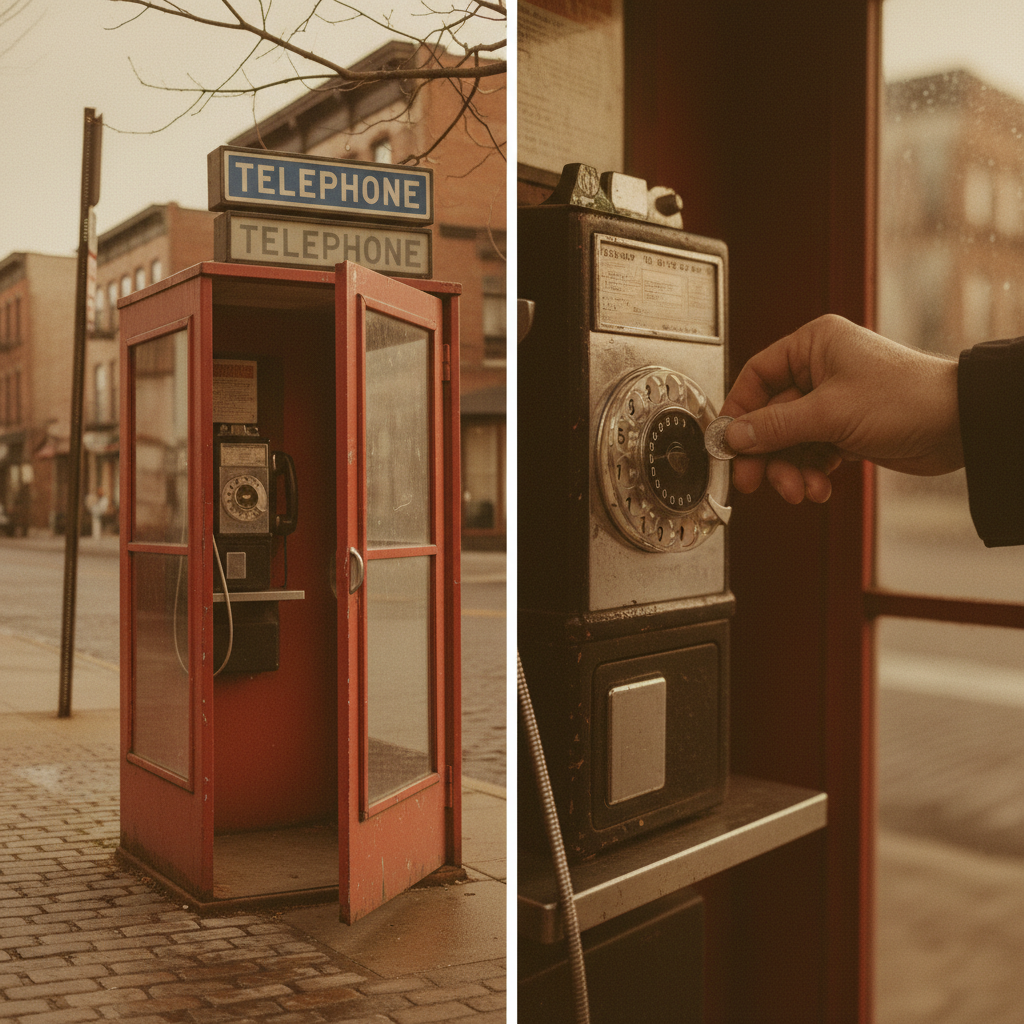 Illustration created for WistMem; not an archival photograph.
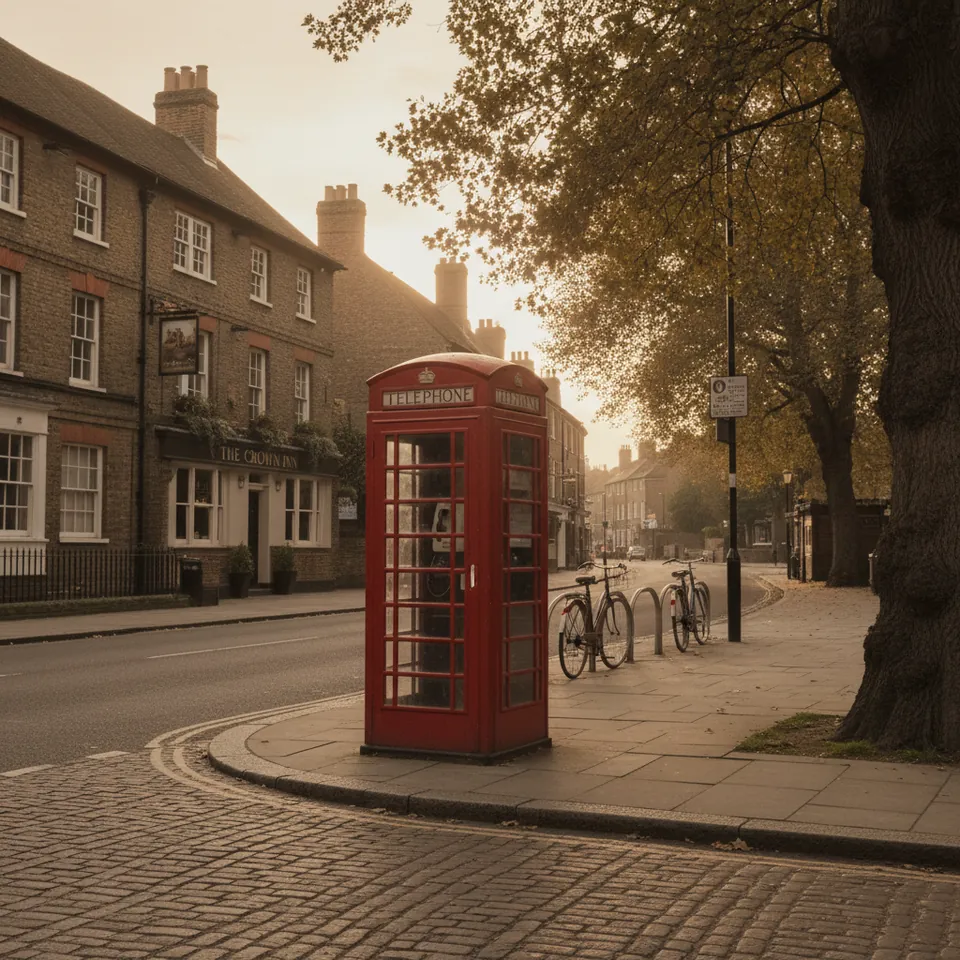
Which call was important enough to send a person out to the corner? The answer turns an ordinary booth into a place in a larger story. For the British kiosk as a deliberate piece of street design, read The Red Phone Box on the Corner.
What does it bring back for you?
Ask someone who remembers, or begin with your own version. A few words can be enough.
What object changed how you spent an ordinary day?
Then ask: How did you learn to use it, and what could it not do?
Find more conversation starters Choose what feels comfortable. Ask before recording or sharing someone’s words.Relive the Memory
Find a little of the story.
Something here bring back a memory? Take a look at what you can find today.
Searching for: vintage electronics phone booth corner
Vintage & collectible finds
Look for older objects and collectibles connected to this memory.
Search eBay (opens in a new tab)Related finds on Amazon
Explore items related to the same topic, from familiar styles to things made today.
Search Amazon (opens in a new tab)These links open search results. Items, prices, and availability vary.
Affiliate links. We may earn a commission at no extra cost to you.
As an Amazon Associate I earn from qualifying purchases. As an eBay Partner, WistMem may earn from qualifying purchases.
Does this bring back memories?
Share this story with someone who would remember.