Make this page easier to read
Your choices are saved on this device.
The K6 telephone kiosk was designed for a practical network of public calls. Its red shape also became a familiar landmark in towns and villages.
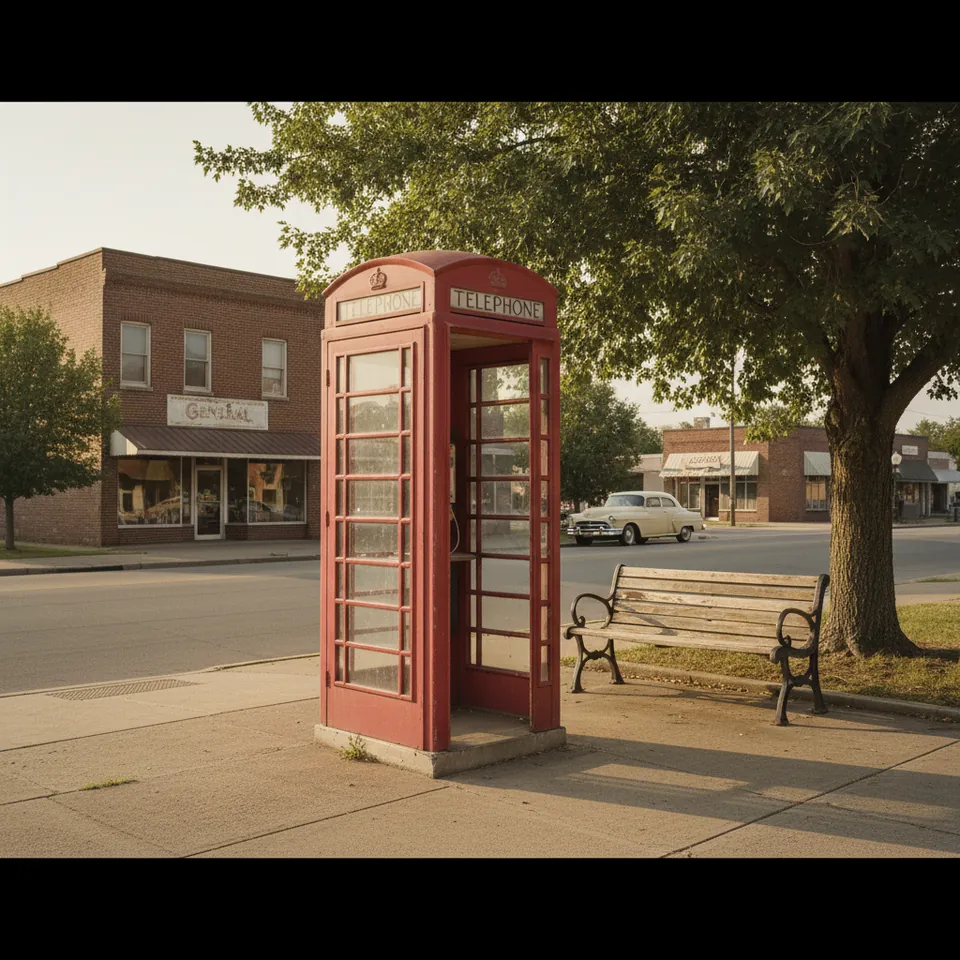
A red phone box could be recognized from the far end of a street. It marked the place to make a call and, just as often, a place to meet or give directions: “beside the box” was clear to everyone nearby. Inside, the purpose was plain—a telephone available to someone away from home. Outside, the kiosk helped define the look of the corner.
A design for a national service
Historic England's account of the K6 kiosk explains that the General Post Office sought a standardized public-phone experience and that Giles Gilbert Scott designed the K6 in 1935. The smaller kiosk was more practical to produce than its K2 predecessor. Its glass panes, roof, and strong color made a utility visible and easy to find. Historic England treats surviving examples as industrial design and, in some places, as part of a historic street scene.
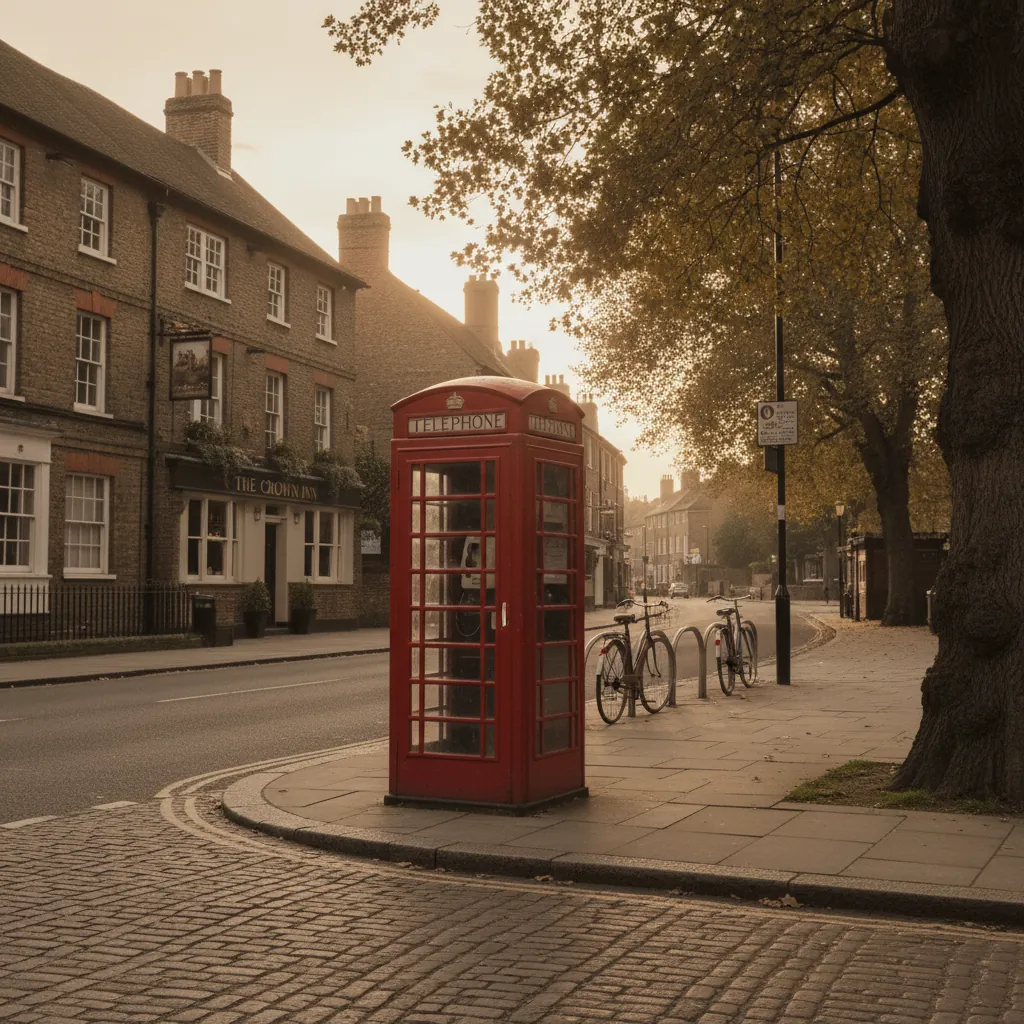 Illustration created for WistMem; not an archival photograph.
The box still had an ordinary job to do. A caller needed the correct number and payment, and the door offered relief from wind or passing traffic. A hurried call might leave a person fogging the glass on a cold day. Someone waiting outside could see the caller's silhouette without hearing the conversation. This mix of shelter and exposure made the kiosk more than an icon on postcards.
A landmark after its main purpose changed
Public-phone habits changed as private and mobile access spread. Historic England's guidance on adapting K6 kiosks notes that thousands were installed between 1936 and 1968 and discusses new uses for survivors. A box can remain meaningful after it stops carrying many calls, but its local value depends on its setting. At a crossroads or village edge, it may still orient people who have never used its telephone.
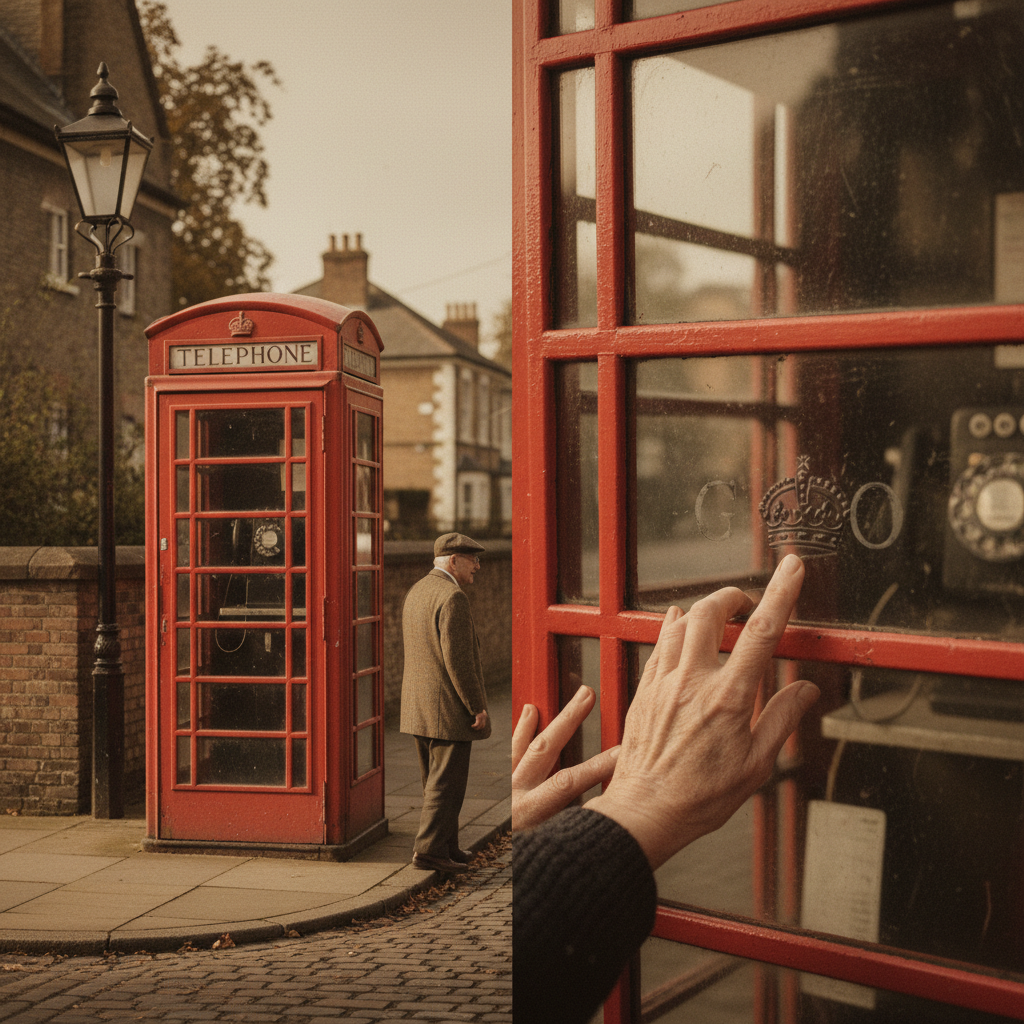 Illustration created for WistMem; not an archival photograph.
Did someone use the box to call home, or did they know it mainly as the place where a route turned? Either memory belongs to the street. For the experience of placing a coin call in a less distinctive enclosure, see The Corner Phone Booth and the Call You Had to Make.
What does it bring back for you?
Ask someone who remembers, or begin with your own version. A few words can be enough.
What object changed how you spent an ordinary day?
Then ask: How did you learn to use it, and what could it not do?
Find more conversation starters Choose what feels comfortable. Ask before recording or sharing someone’s words.Relive the Memory
Find a little of the story.
Something here bring back a memory? Take a look at what you can find today.
Searching for: vintage electronics phone box corner
Vintage & collectible finds
Look for older objects and collectibles connected to this memory.
Search eBay (opens in a new tab)Related finds on Amazon
Explore items related to the same topic, from familiar styles to things made today.
Search Amazon (opens in a new tab)These links open search results. Items, prices, and availability vary.
Affiliate links. We may earn a commission at no extra cost to you.
As an Amazon Associate I earn from qualifying purchases. As an eBay Partner, WistMem may earn from qualifying purchases.
Does this bring back memories?
Share this story with someone who would remember.