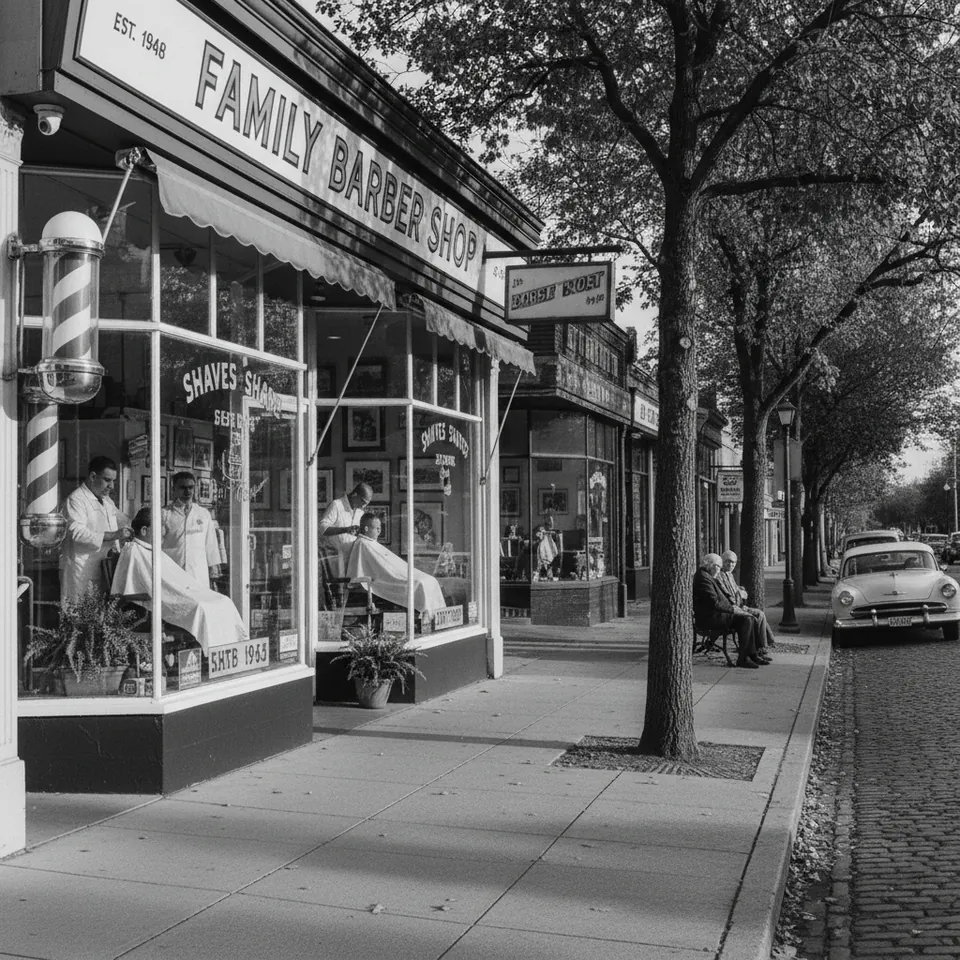
Inside the British Neighbourhood Barber Shop
A regular haircut meant finding a barber who knew what was wanted, waiting a turn, and noticing who else came through the shop door.
Read the storyFamiliar faces, local places, and everyday encounters. Explore 1940s stories in the WistMem memory archive. Search for something you remember ↗
25 stories · Page 2 of 3
A regular haircut meant finding a barber who knew what was wanted, waiting a turn, and noticing who else came through the shop door.
Read the story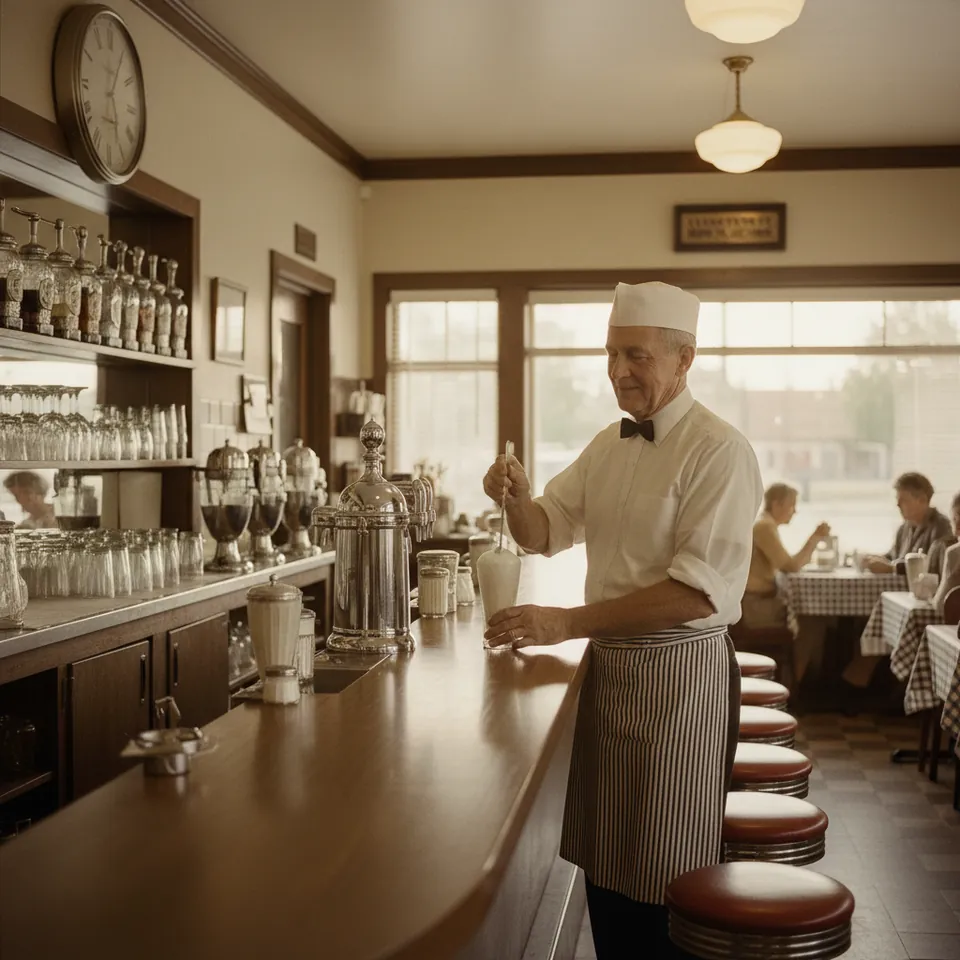
The soda jerk was the person behind the fountain, not the chrome equipment itself. A 1936 photograph catches the handoff that made the counter a performance.
Read the story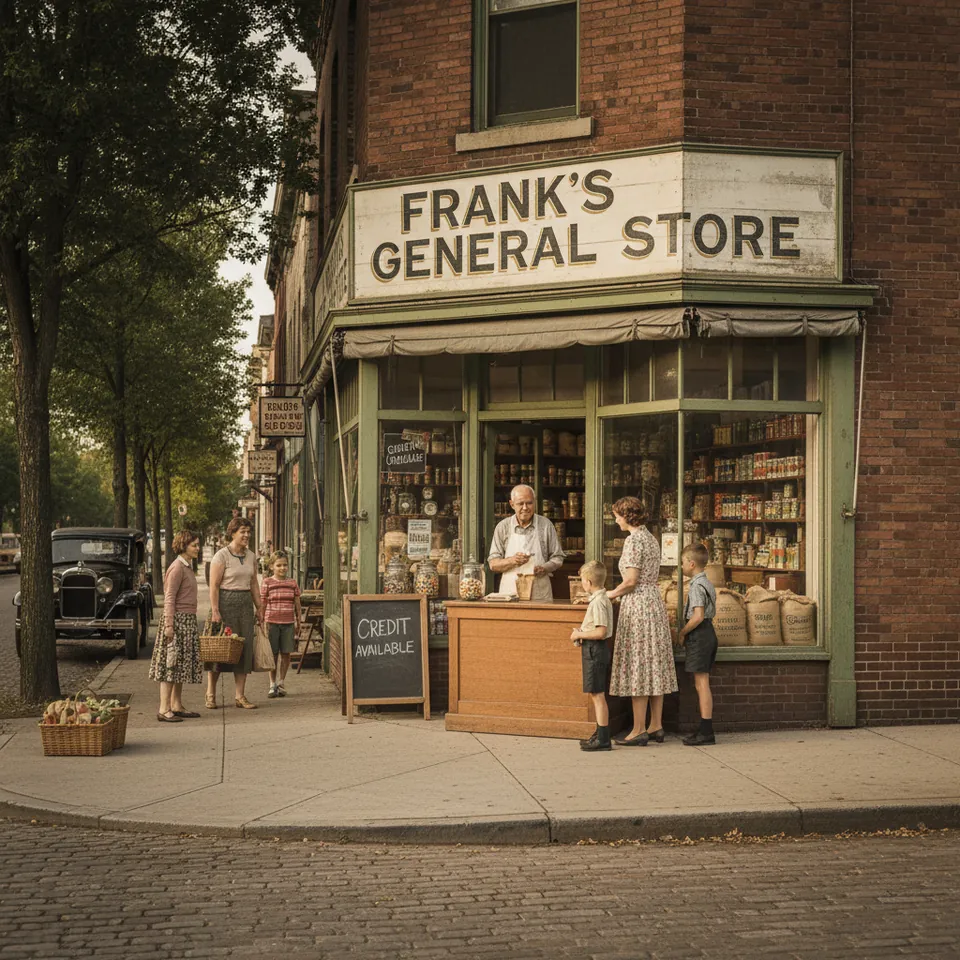
Buying on account meant the grocer recorded a purchase and expected payment later. Historic ledgers show the transaction clearly, and sometimes reveal who did the household shopping.
Read the story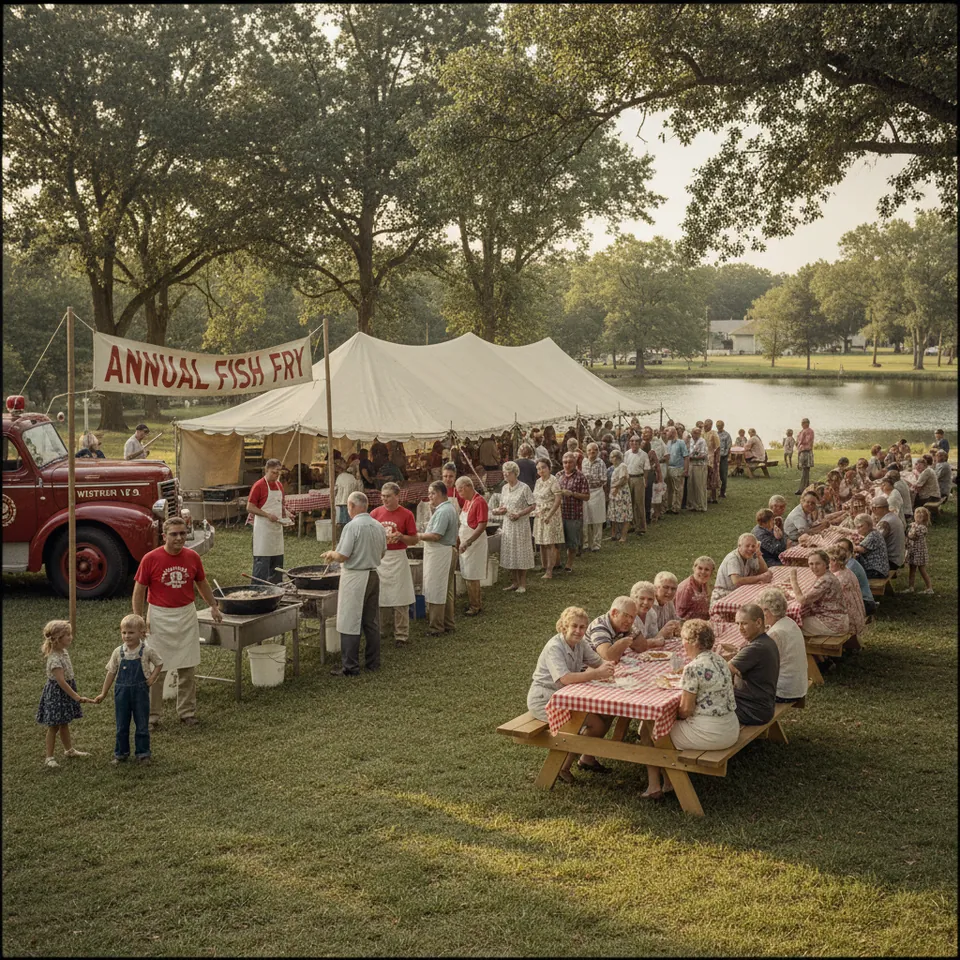
A firehouse fish fry was more than supper. Volunteer departments used the gathering to raise funds, bring neighbors inside the station, and make their work visible.
Read the story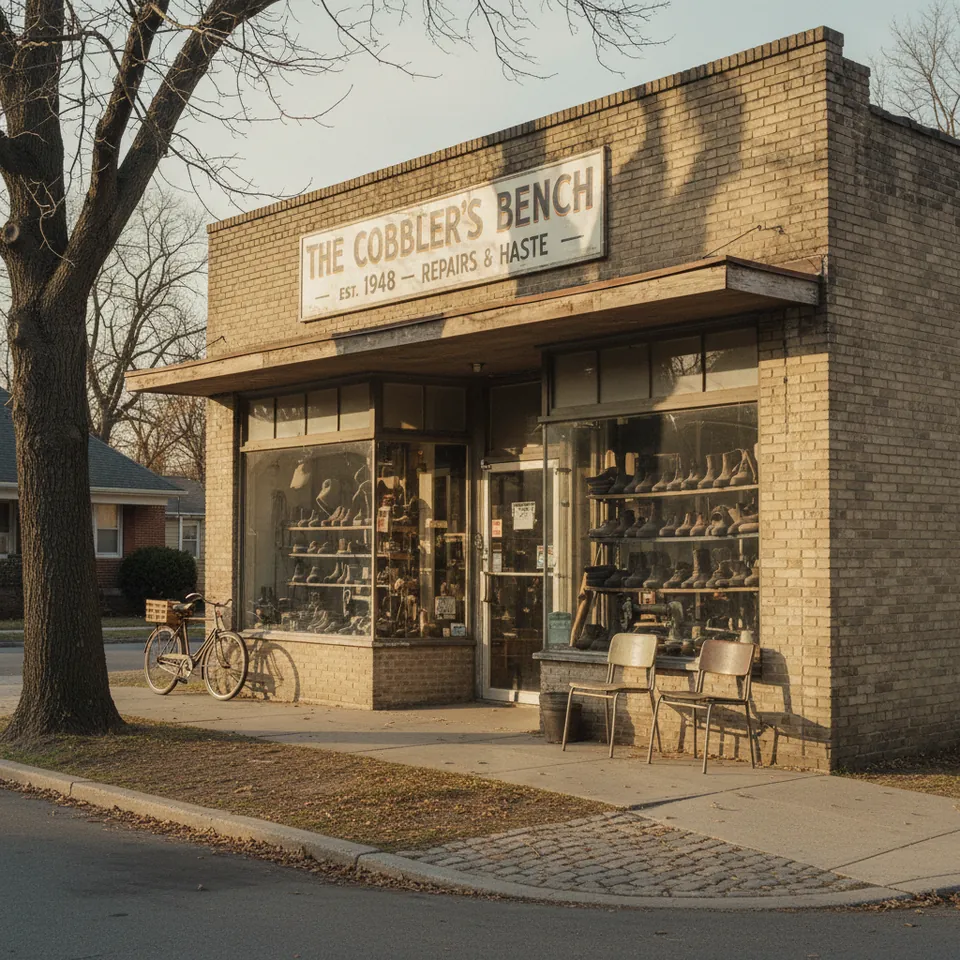
A shoe repair shop measured a pair by its worn soles and the life still left in its leather. Historic photographs preserve the workbench and customers behind the counter.
Read the story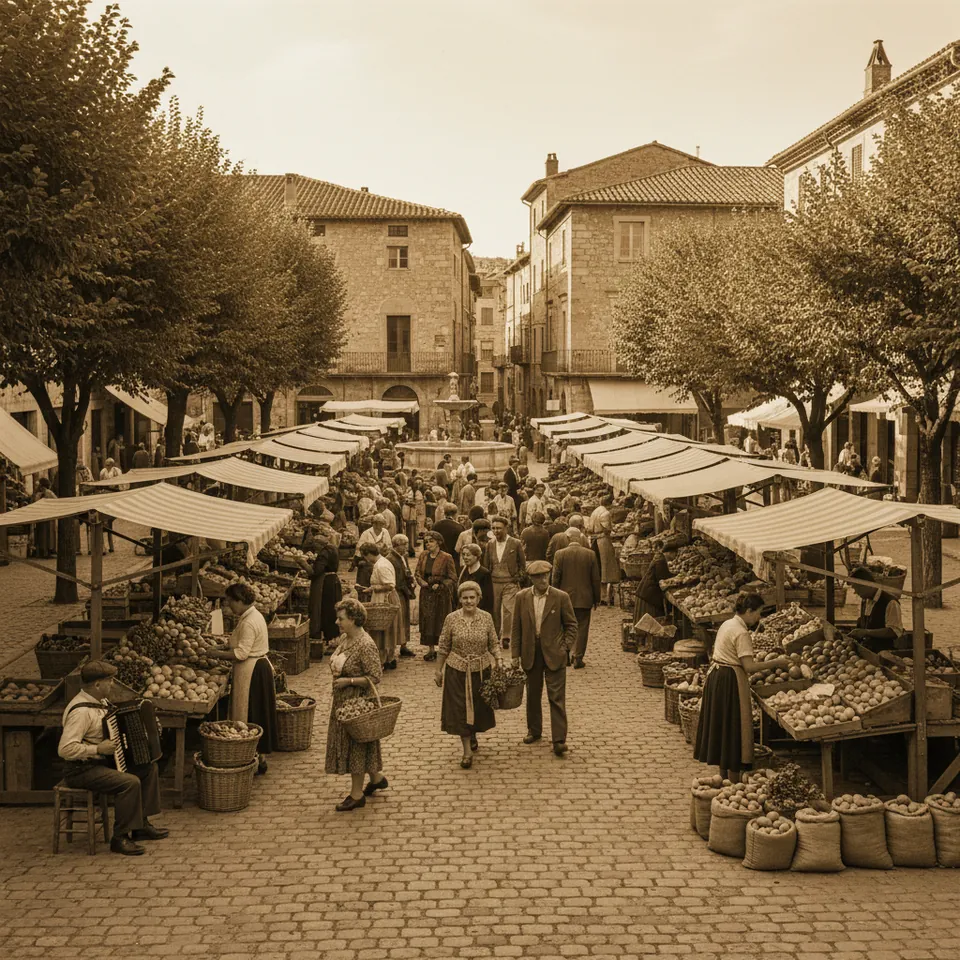
A piazza market was a working place. Stalls, vendors, and regular customers gave the open square a different shape on market mornings.
Read the story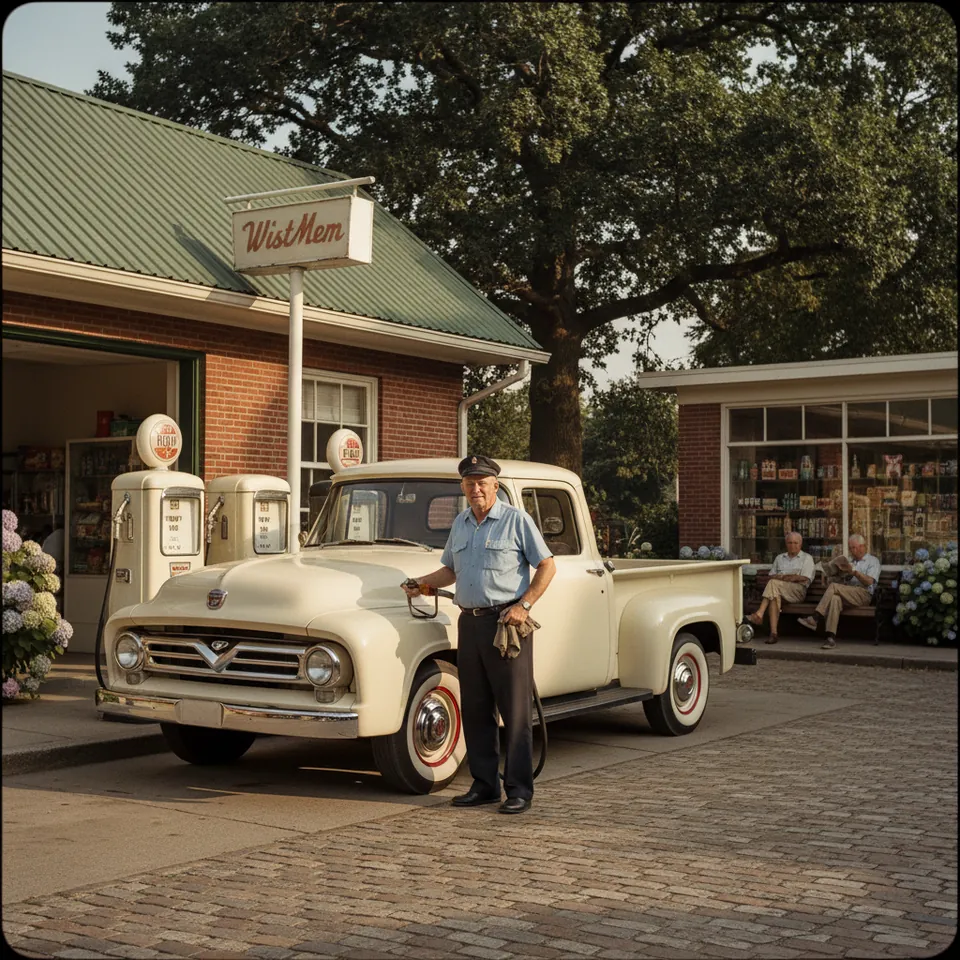
At a full-service petrol station, an attendant handled the pump and often became part of a driver’s route. The exchange was practical and local.
Read the story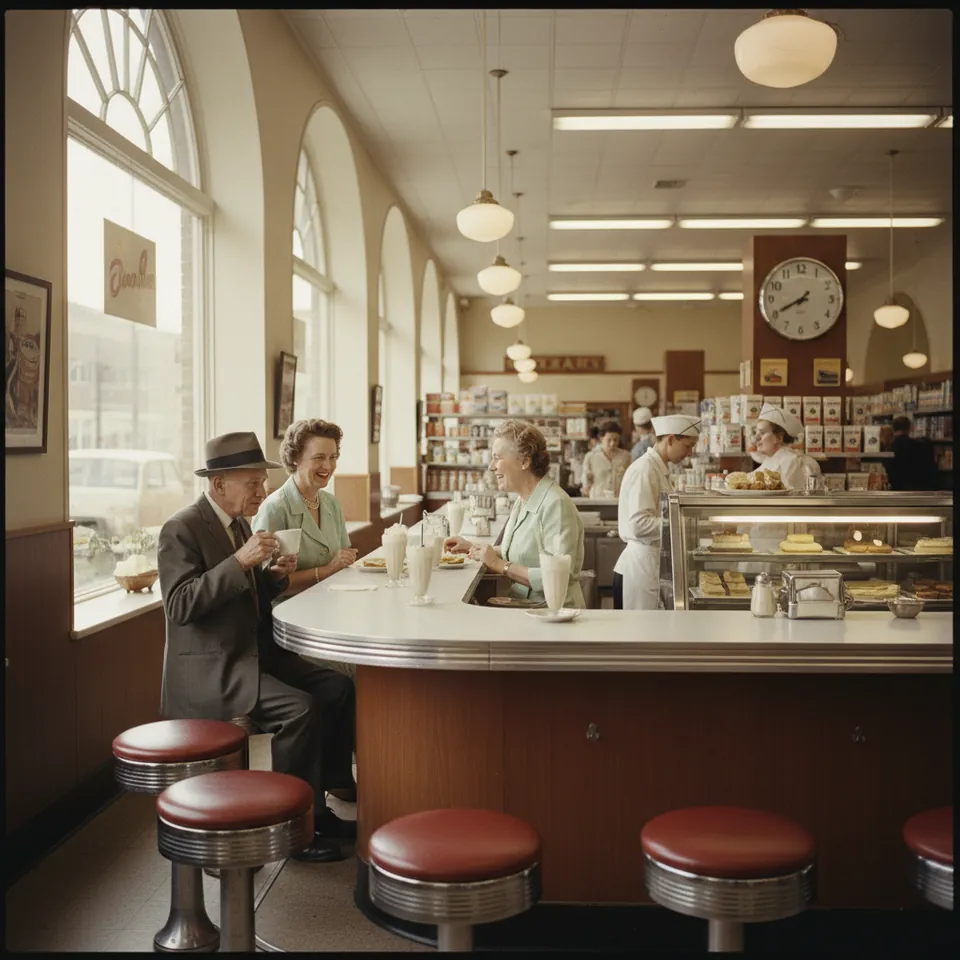
A store restaurant turned shopping into an outing. Historic photographs show the spaces; the history of segregated counters reminds us that access to a seat was never the same for everyone.
Read the story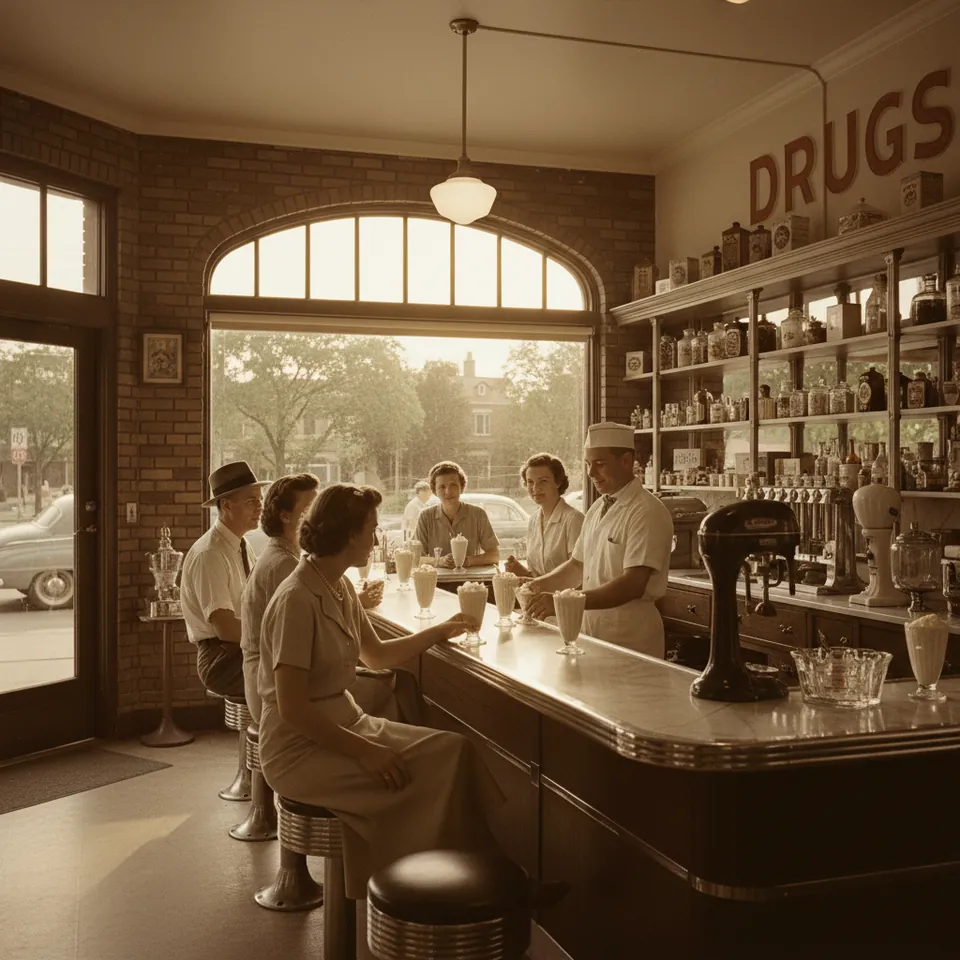
An ornate 1914 fountain from a Maryland pharmacy survives in a local library. Its history shows how medicine, retail, and a public gathering place once shared a corner.
Read the story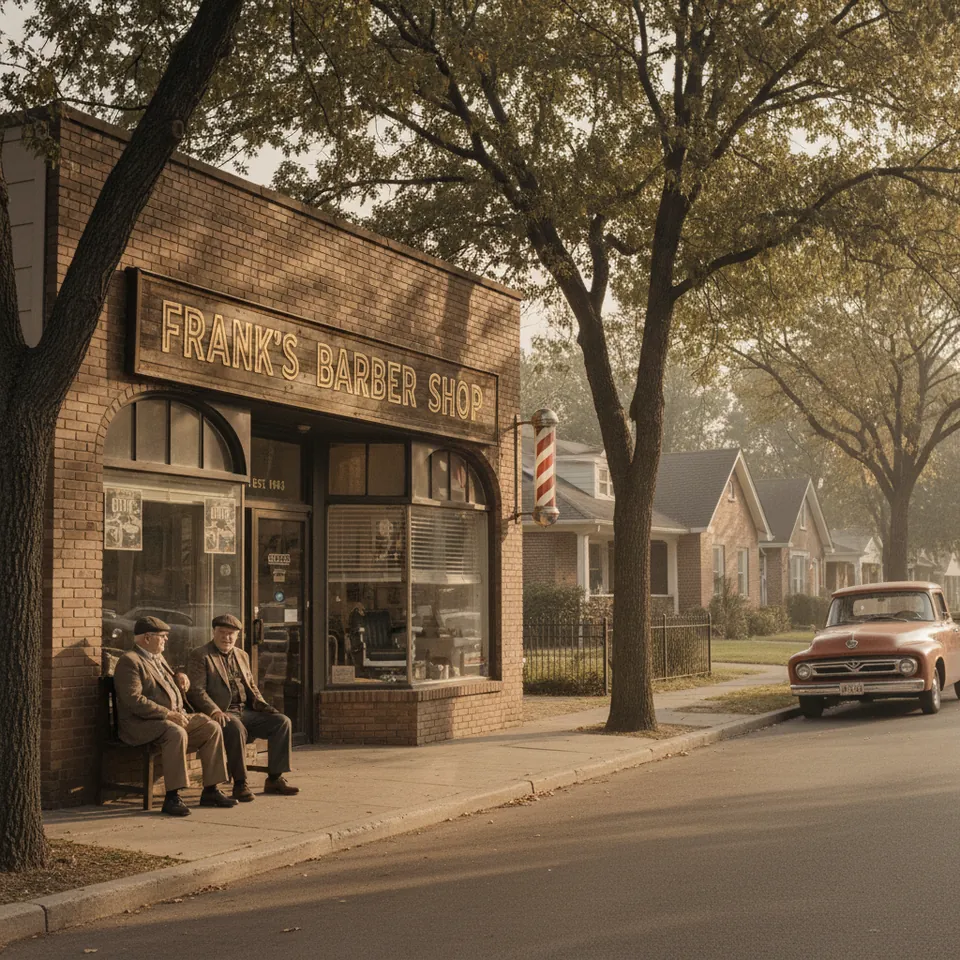
In many Black American communities, a barbershop could be a business, a place to meet, and a rare setting for frank conversation. Its particular owner and customers shaped that role.
Read the story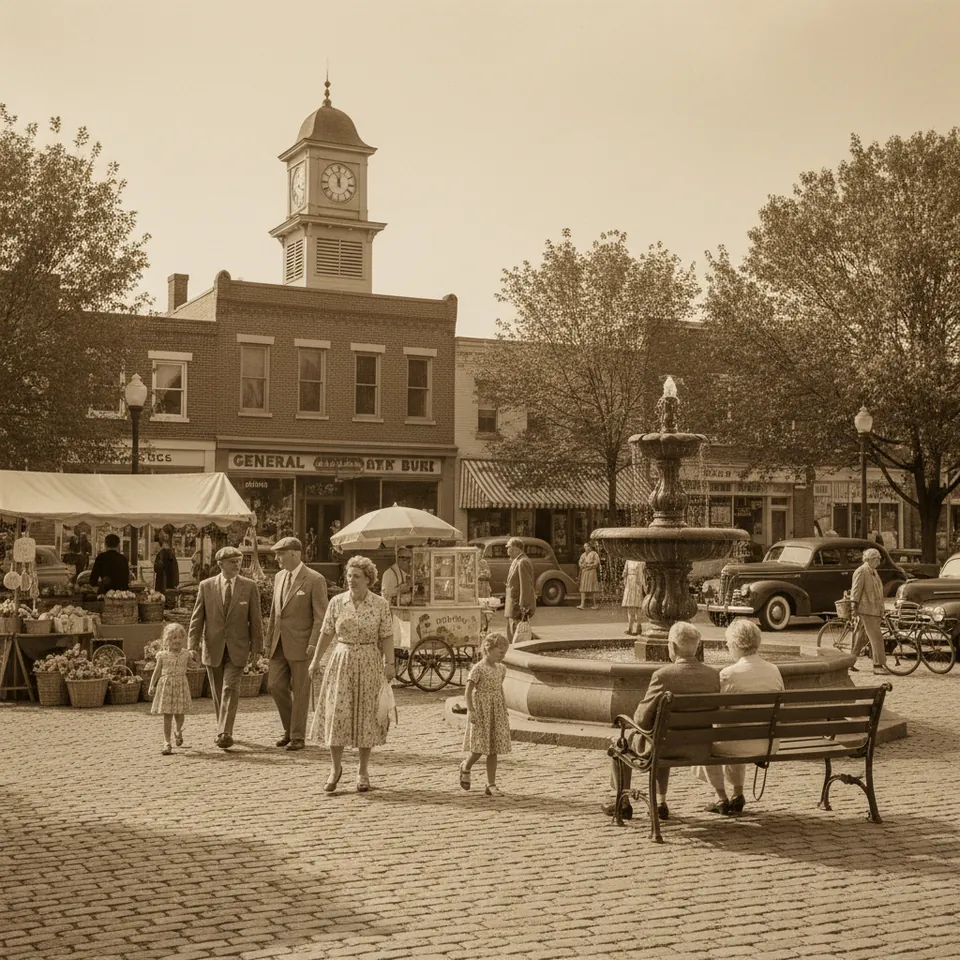
A Saturday town square joined errands with chance encounters. Historic plans show how shops, banks, and public space could gather daily life into one walk.
Read the story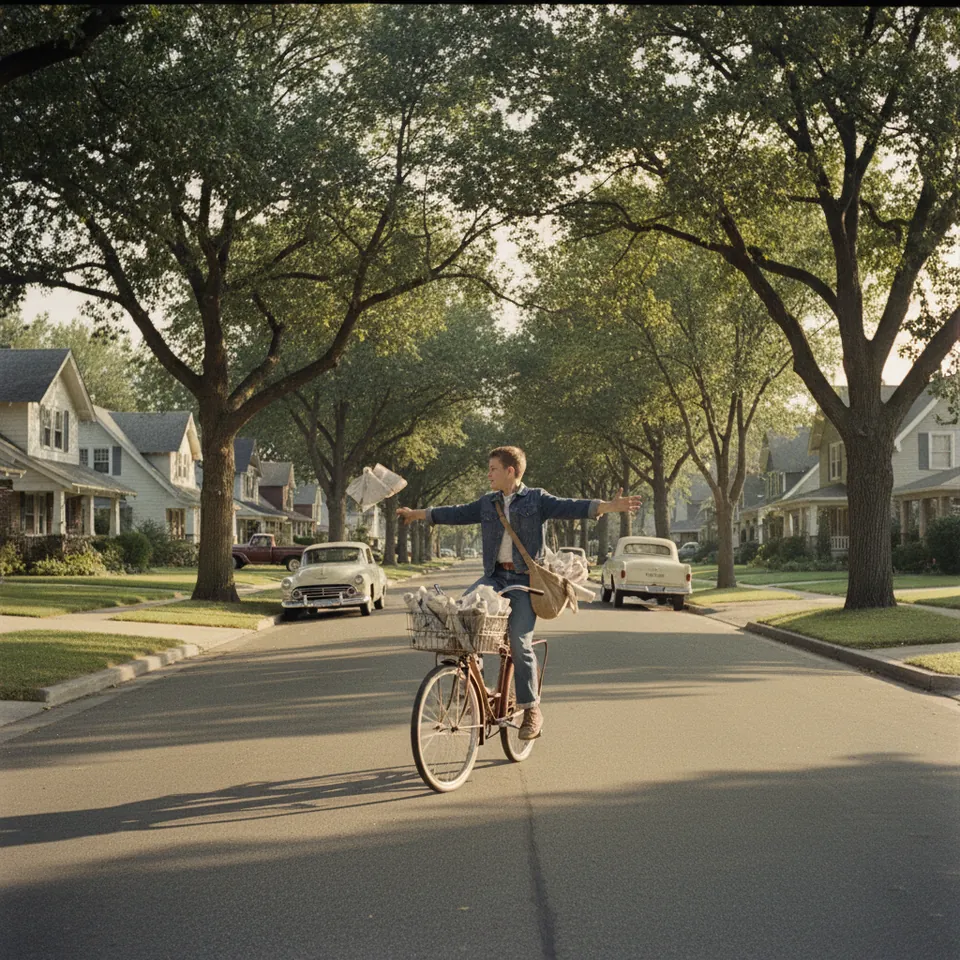
A bicycle newspaper route was a sequence of addresses, bags, and customers. The rider learned how to make the same circuit reliably in changing weather.
Read the story12 memories shown of 25
Public memory submissions are currently unavailable. You can still use our free questions with your family.
Find a question ↗