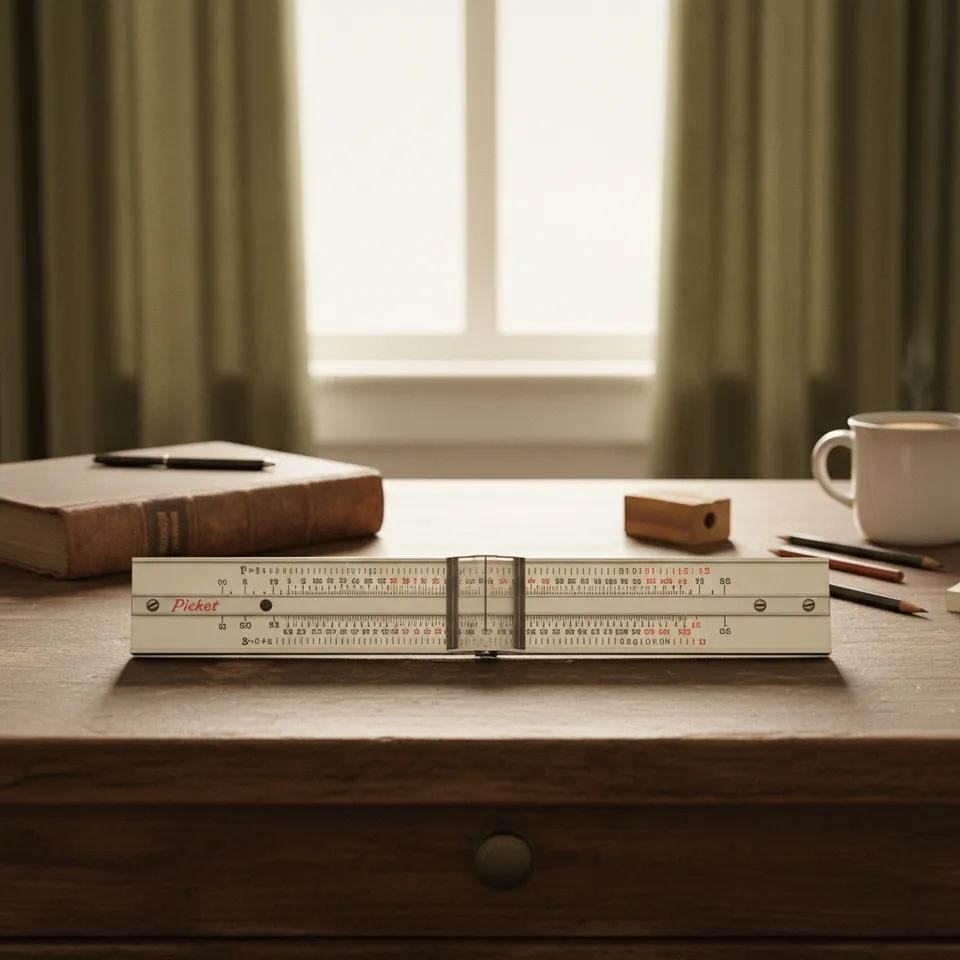
The Slide Rule Before Pocket Calculators
A slide rule turned multiplication and division into movement along marked scales. Its user still had to know whether the answer made sense.
Read the storyThe clicks, rings, and winding dials we remember. Explore 1950s stories in the WistMem memory archive. Search for something you remember ↗
15 stories · Page 1 of 2
A slide rule turned multiplication and division into movement along marked scales. Its user still had to know whether the answer made sense.
Read the story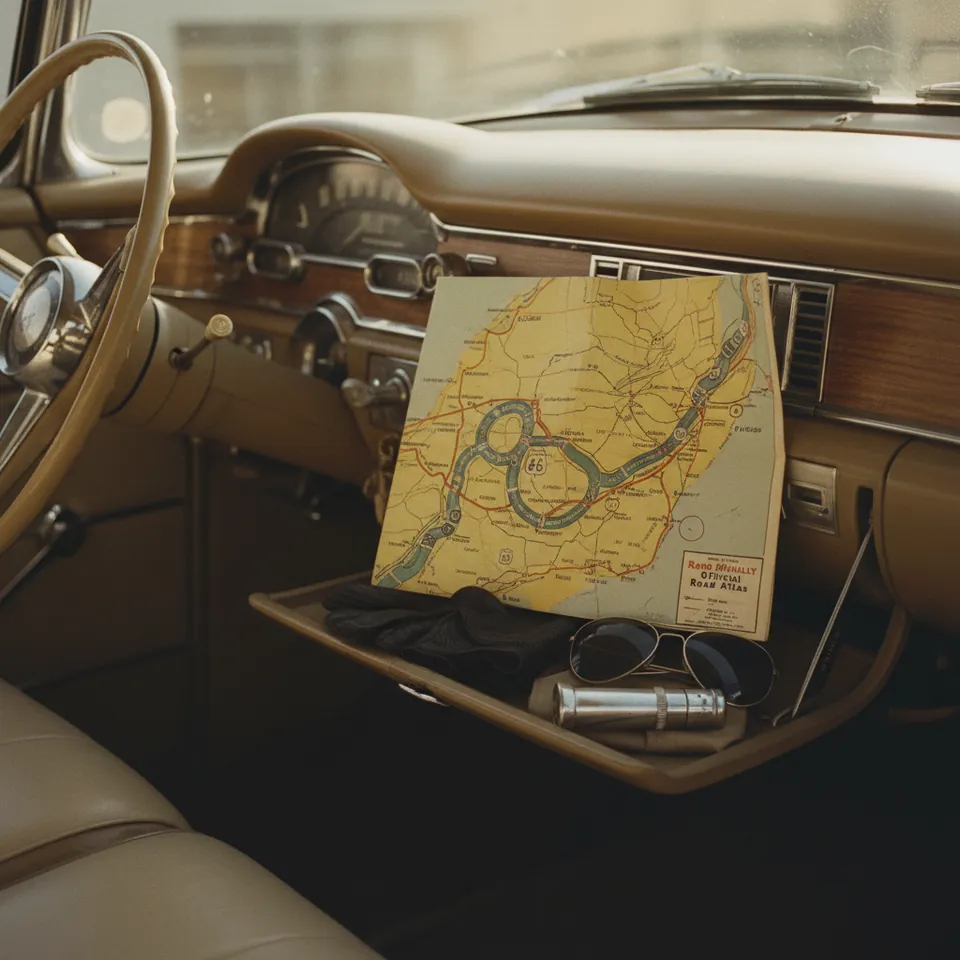
A printed road map made a driver and navigator share a route. Its folds held alternate roads, stopping places, and the marks left by previous trips.
Read the story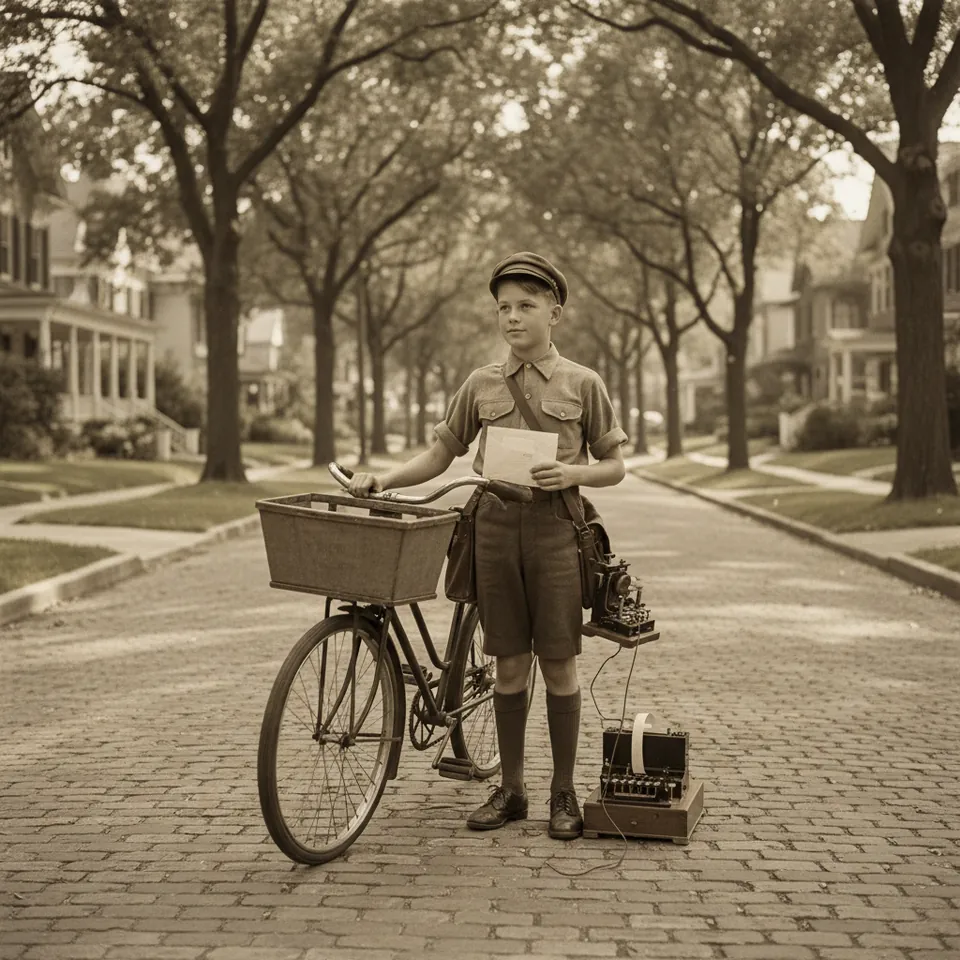
The wire could carry words quickly across distance, but a messenger often brought the paper to the recipient. The knock could bring joy, business, or fear.
Read the story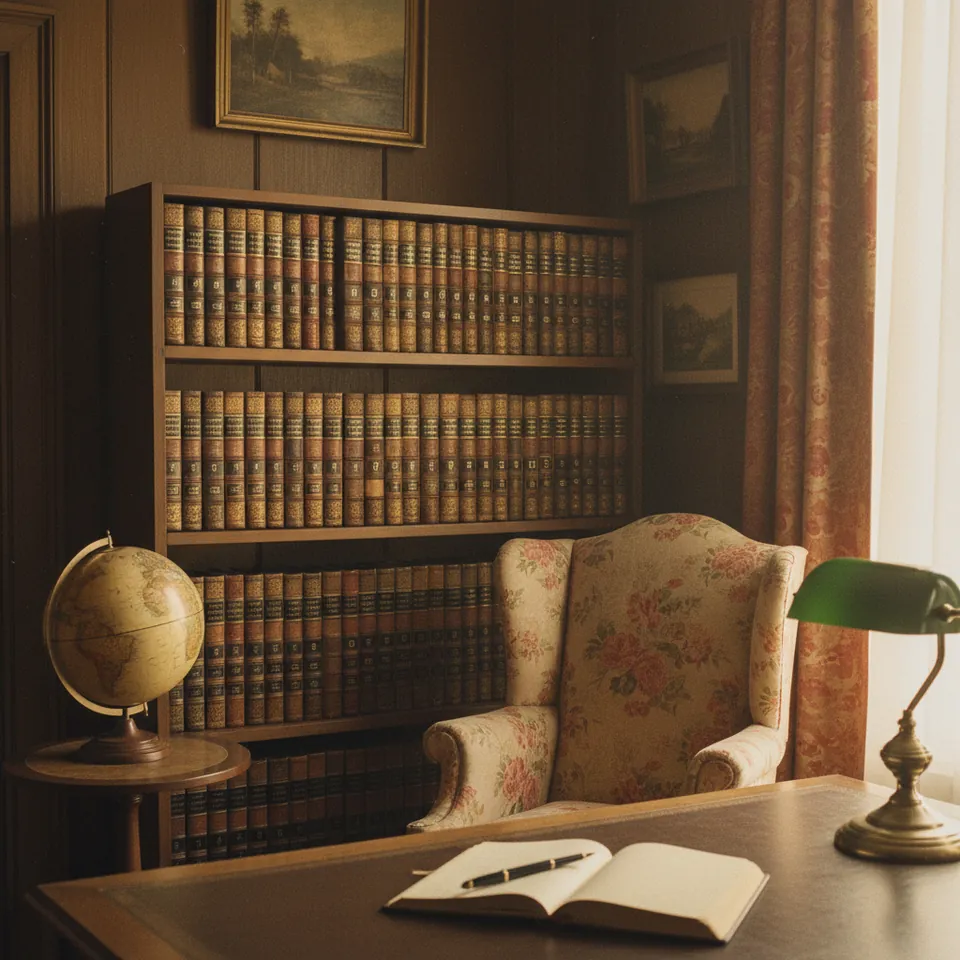
A Britannica set asked readers to move between an index, short entries, and longer articles. The search could teach more than the original question.
Read the story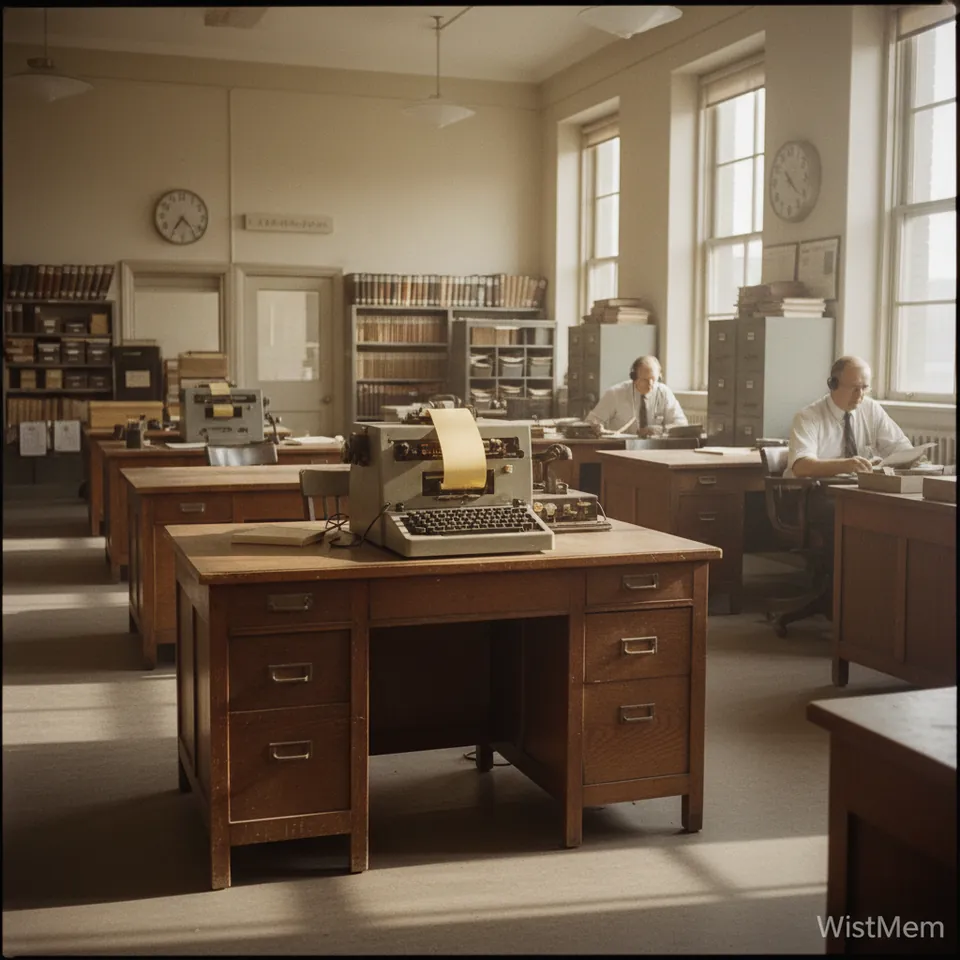
Telex made distant words appear in a newsroom on paper. Editors still had to judge urgency, verify details, and turn incoming copy into a story.
Read the story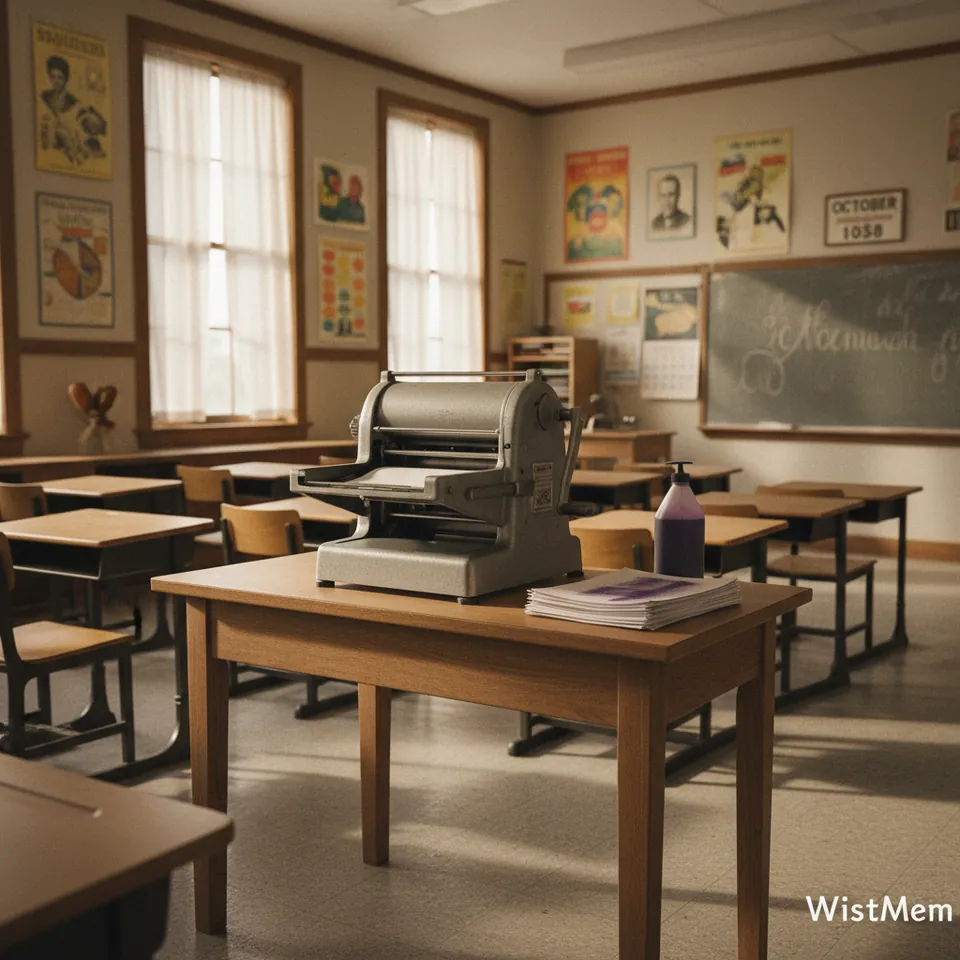
Before easy photocopying, a mimeograph could reproduce worksheets and notices from a stencil. Preparing the master was the careful part.
Read the story
A red safelight helped with some black-and-white printing steps, but exposed film was handled in darkness. A Library of Congress demonstration makes the distinction clear.
Read the story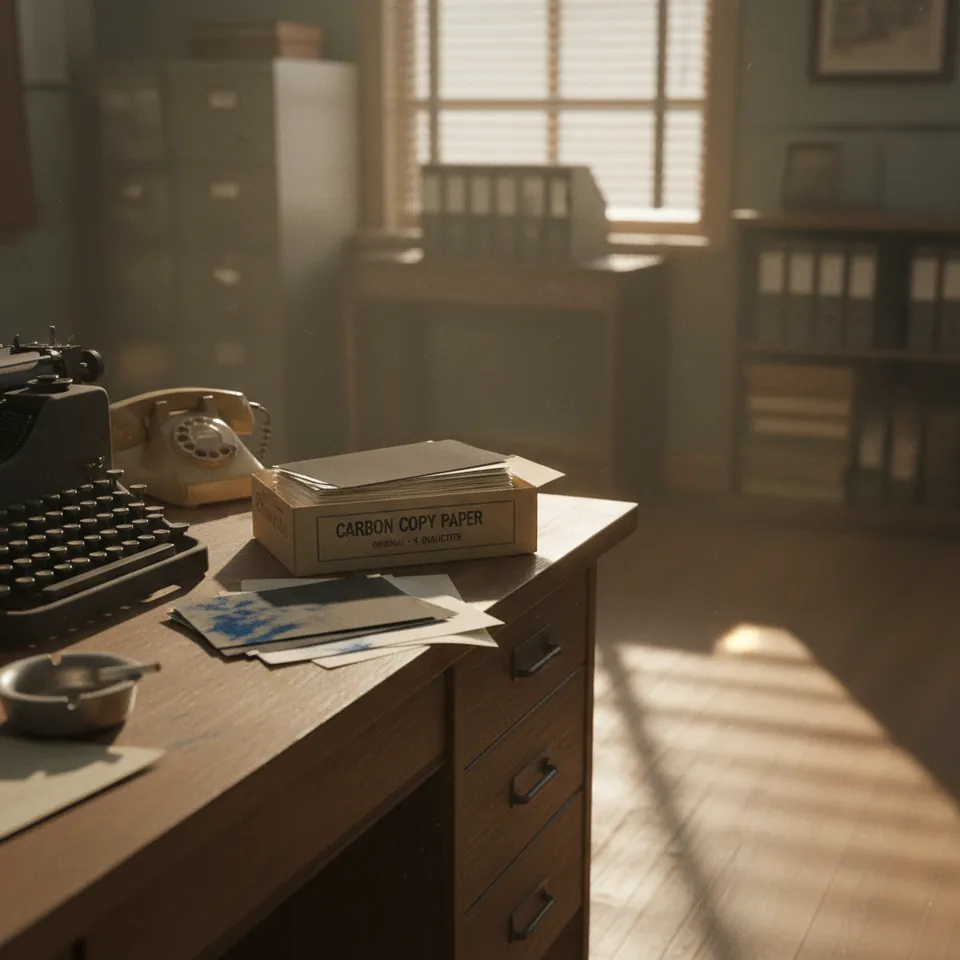
Carbon paper made a second document at the same time as the first. It saved retyping, but every correction and misplaced sheet had consequences.
Read the story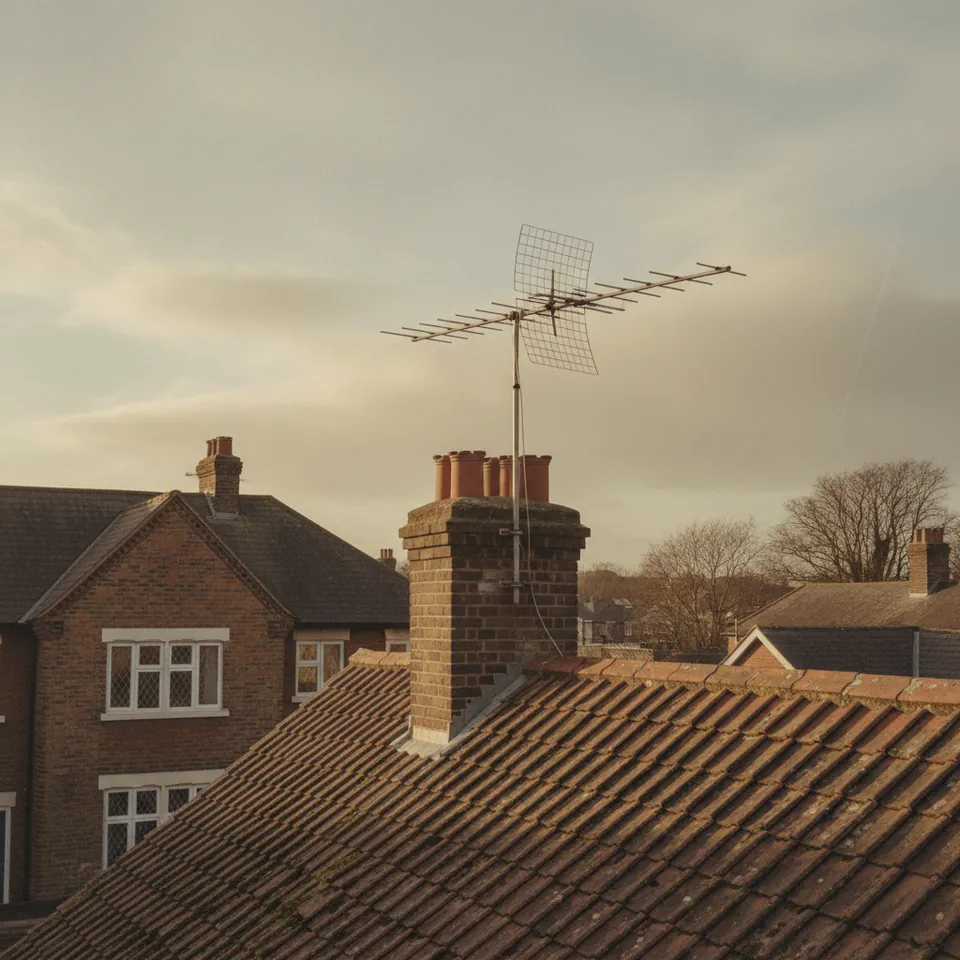
A rooftop aerial could turn a weak broadcast signal into a watchable picture. Its position also made television reception part of home maintenance.
Read the story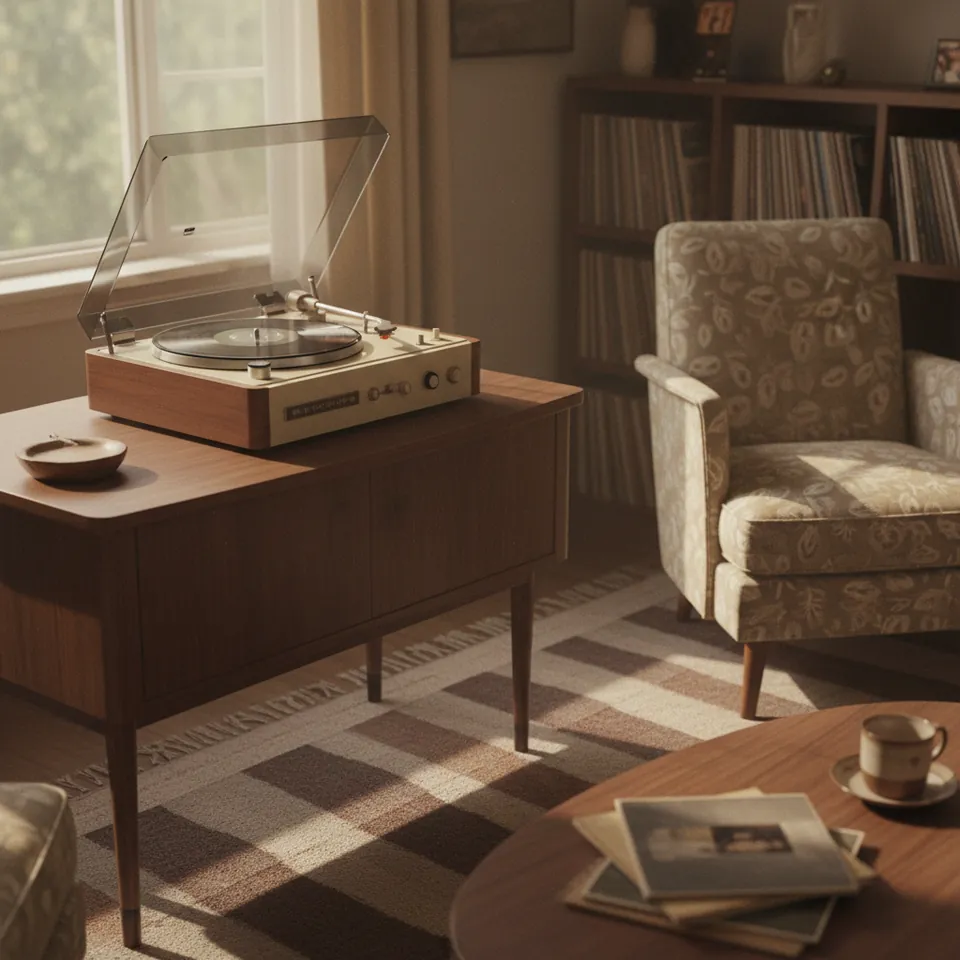
A stylus followed the groove to reproduce recorded sound, while the sleeve and side change made listening a small household ritual. Library of Congress guides explain the mechanism and care.
Read the story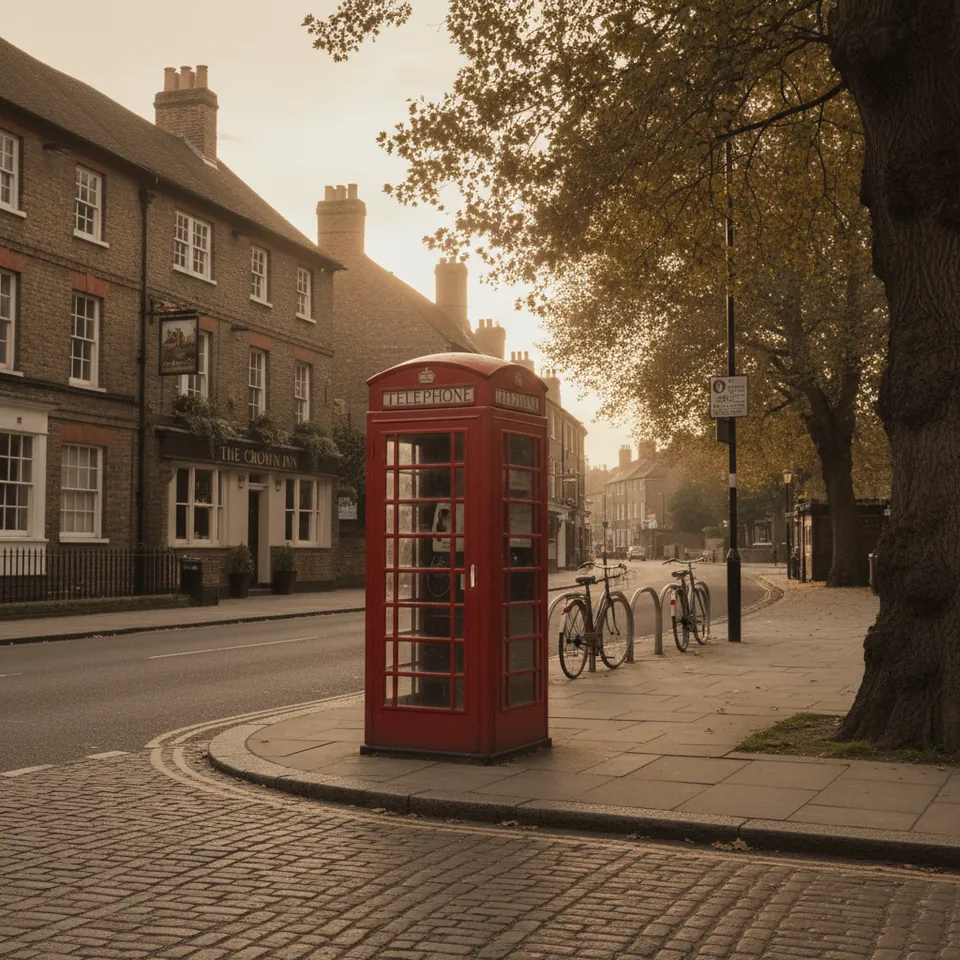
The K6 telephone kiosk was designed for a practical network of public calls. Its red shape also became a familiar landmark in towns and villages.
Read the story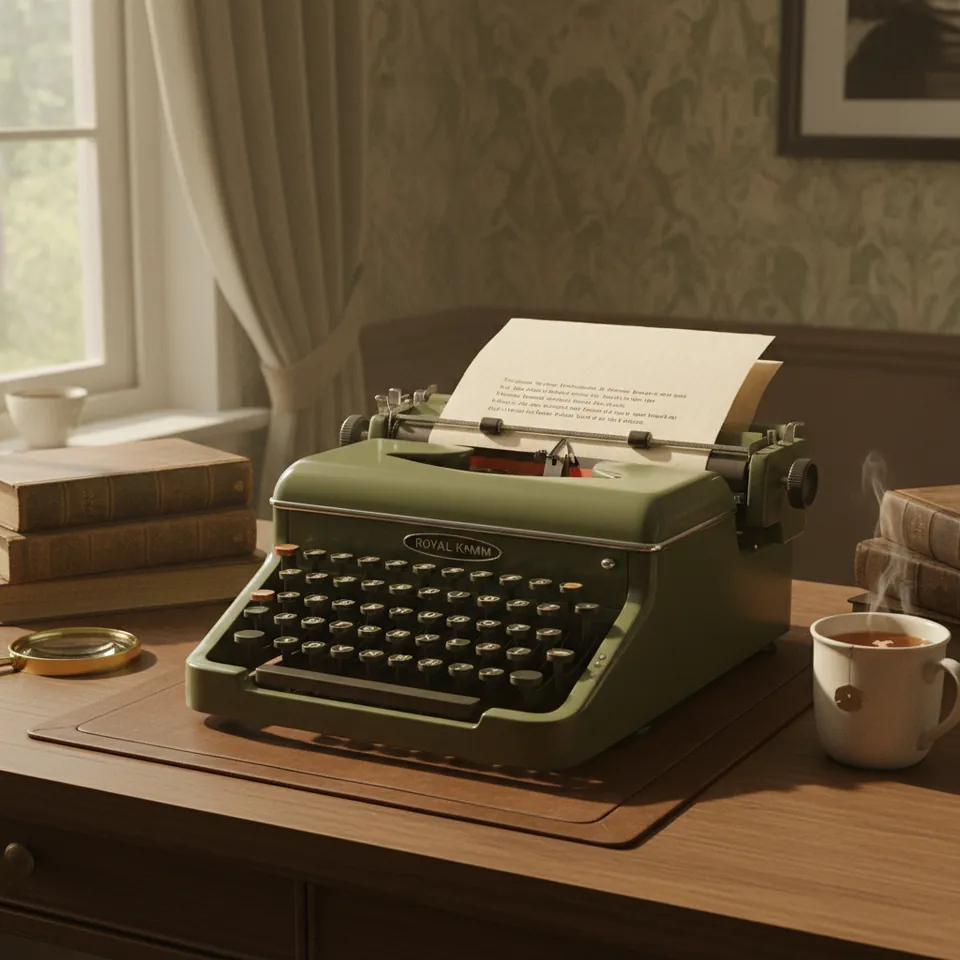
The click of keys came from typebars, ribbon, paper, and a moving carriage. A Smithsonian description of Maya Angelou's machine shows how the parts made a typed page.
Read the story12 memories shown of 15
Public memory submissions are currently unavailable. You can still use our free questions with your family.
Find a question ↗