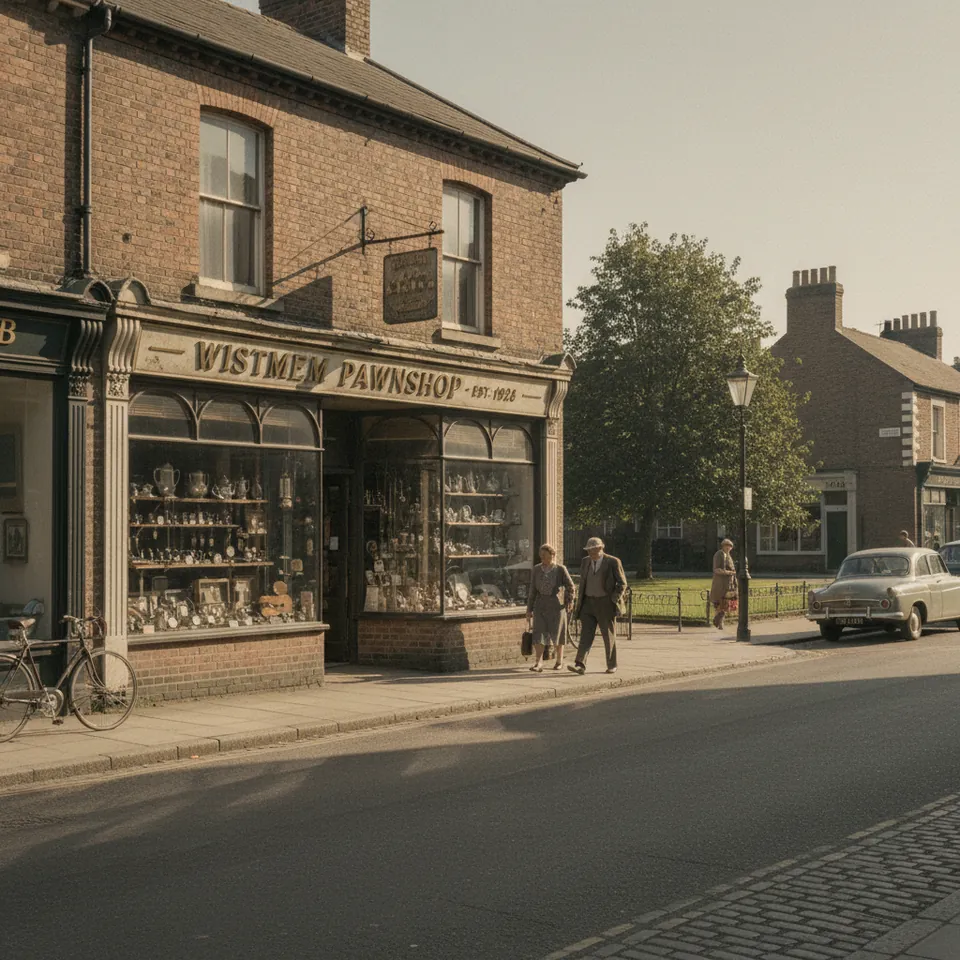
Inside the High-Street Pawnshop
At a pawnbroker, a person could leave an item as security for a loan and keep a ticket to reclaim it. The high-street shop held practical as well as emotional stakes.
Read the storyExplore everyday places, objects, and rituals remembered from the 1980s in the WistMem memory archive. Search for something you remember ↗
A selection across topics
112 stories · Page 4 of 10
At a pawnbroker, a person could leave an item as security for a loan and keep a ticket to reclaim it. The high-street shop held practical as well as emotional stakes.
Read the story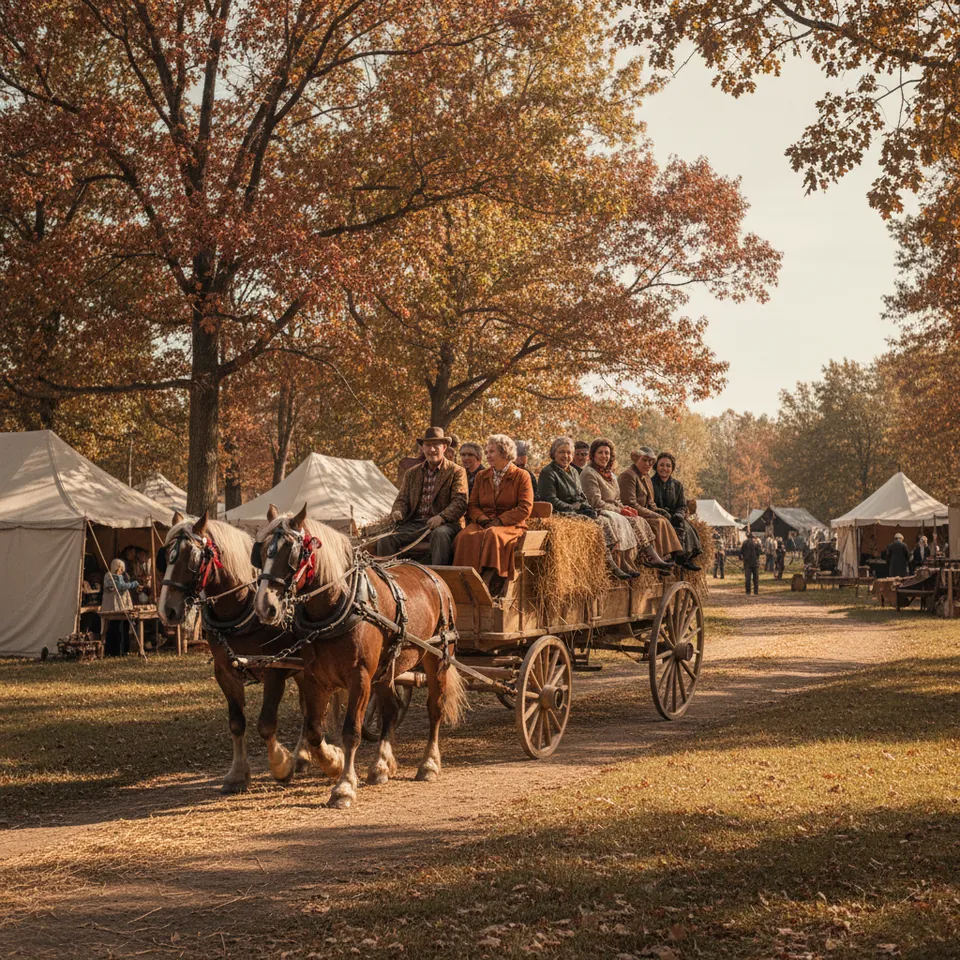
A hayride changed the pace and vantage point of an autumn festival. Who rode together, and what did the route look like after sunset?
Read the story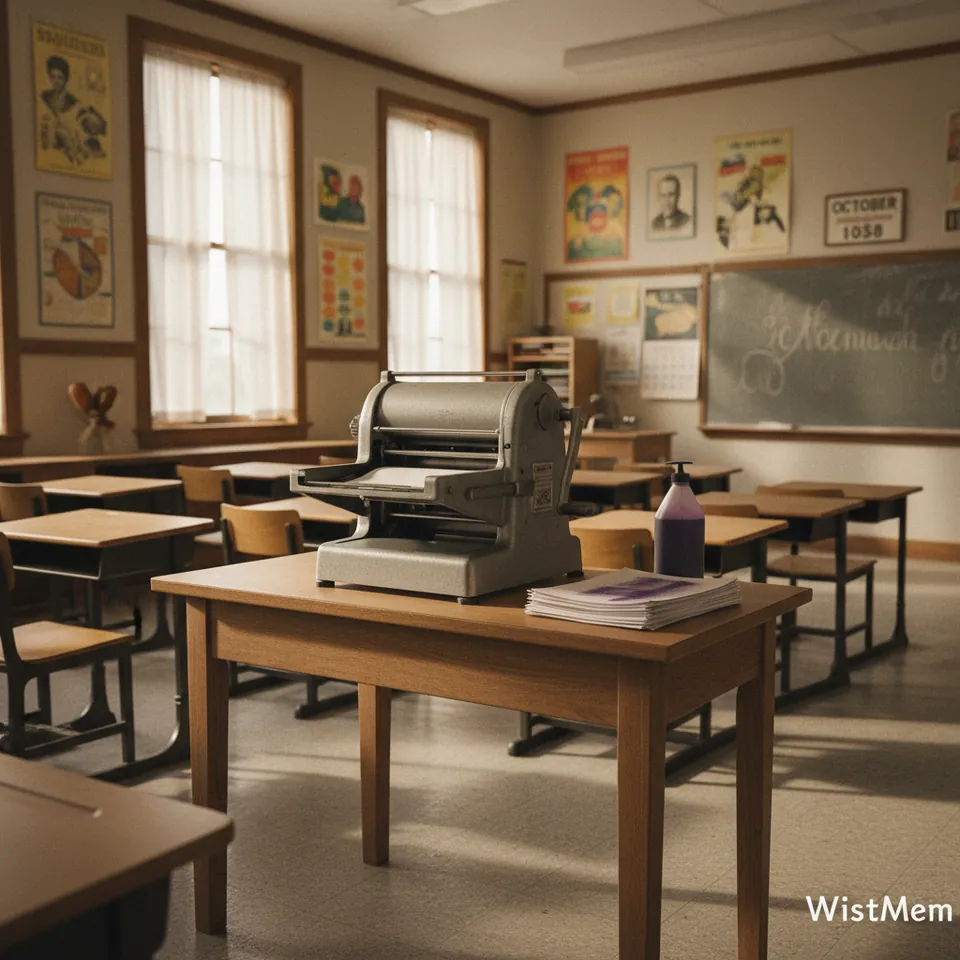
Before easy photocopying, a mimeograph could reproduce worksheets and notices from a stencil. Preparing the master was the careful part.
Read the story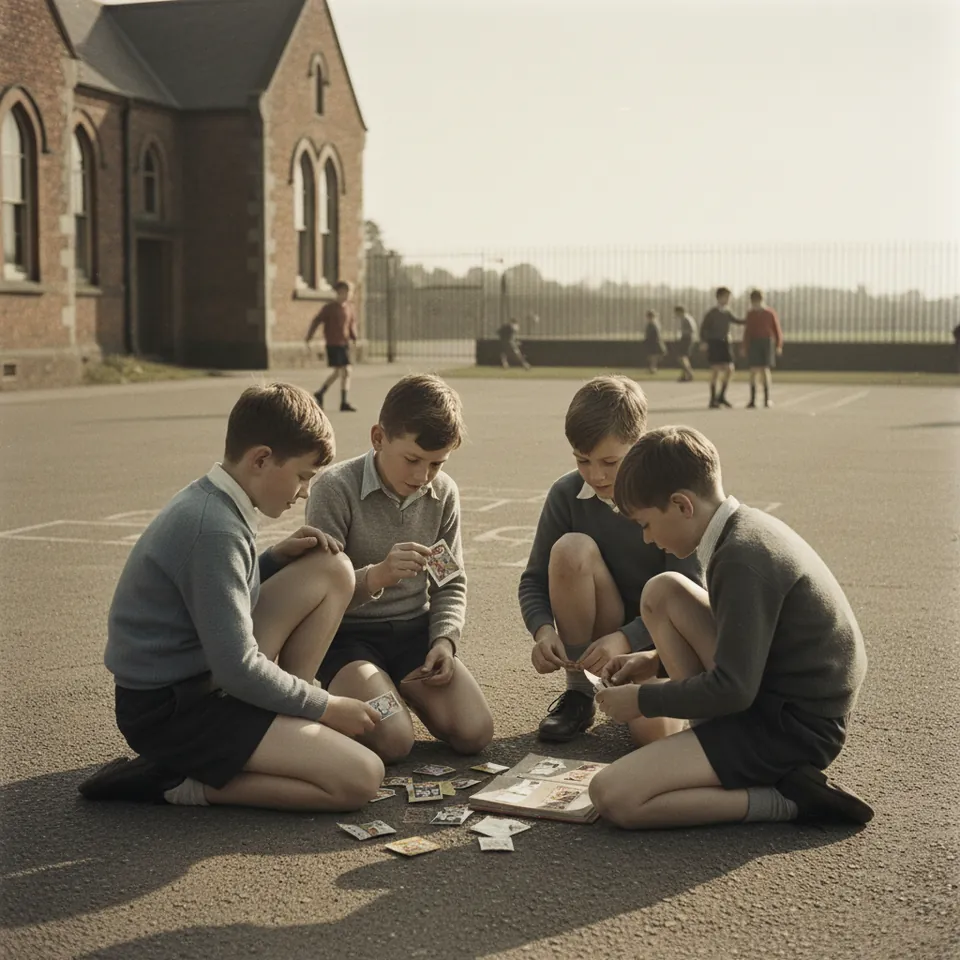
Football sticker albums turned player portraits and team badges into numbered spaces. A spare sticker mattered when a friend needed it, but the particular chant, packet, and album depended on place and year.
Read the story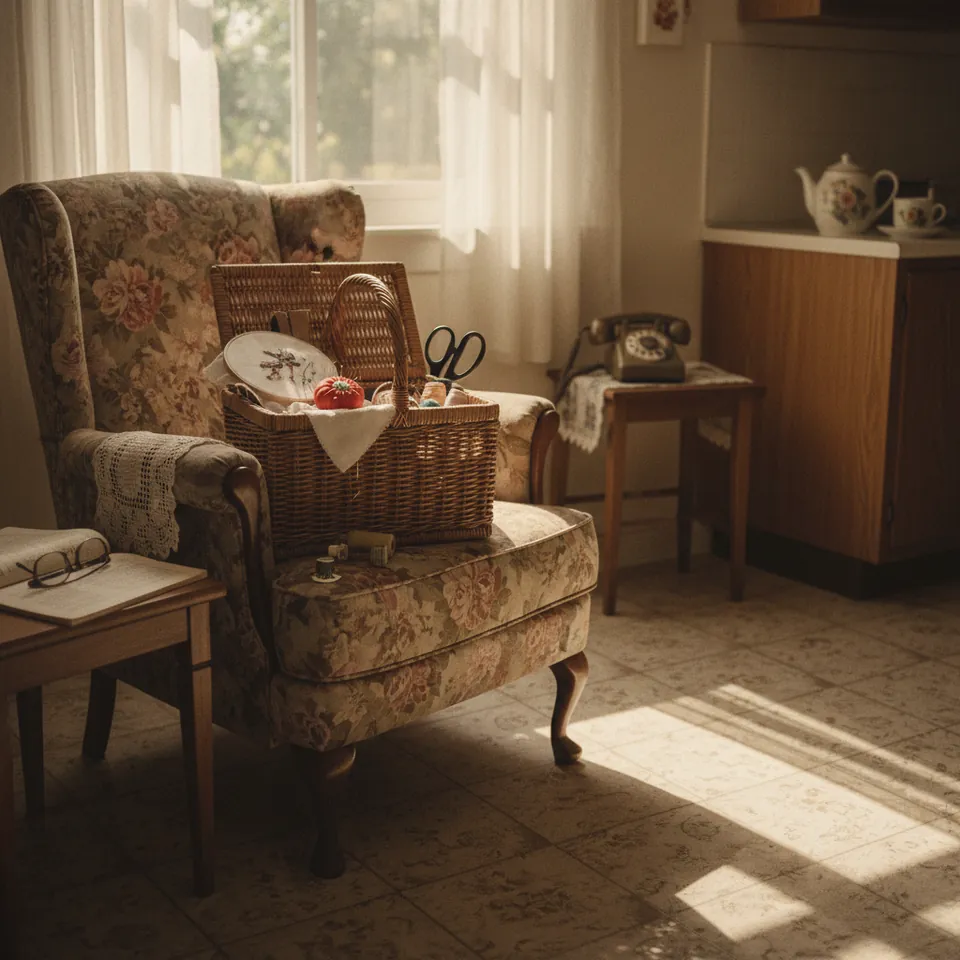
A sewing basket held more than needles and thread: it kept repair work close at hand. Smithsonian workboxes show how varied these containers could be.
Read the story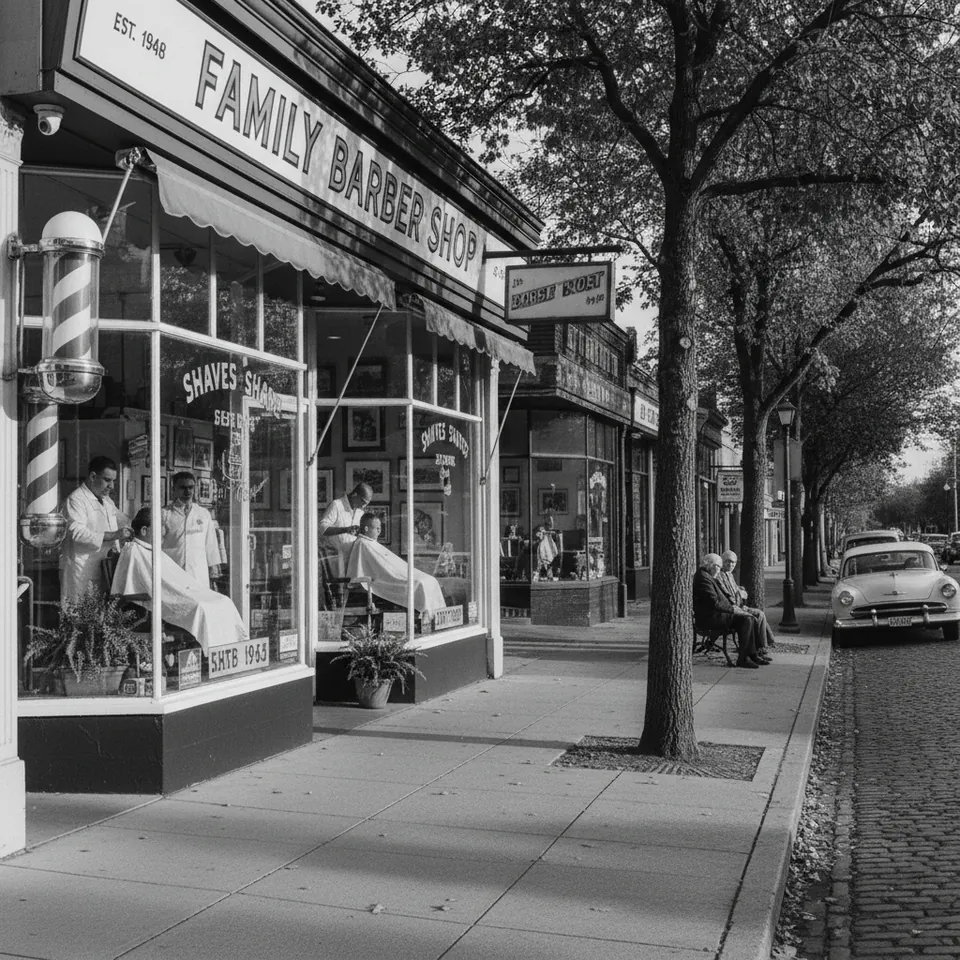
A regular haircut meant finding a barber who knew what was wanted, waiting a turn, and noticing who else came through the shop door.
Read the story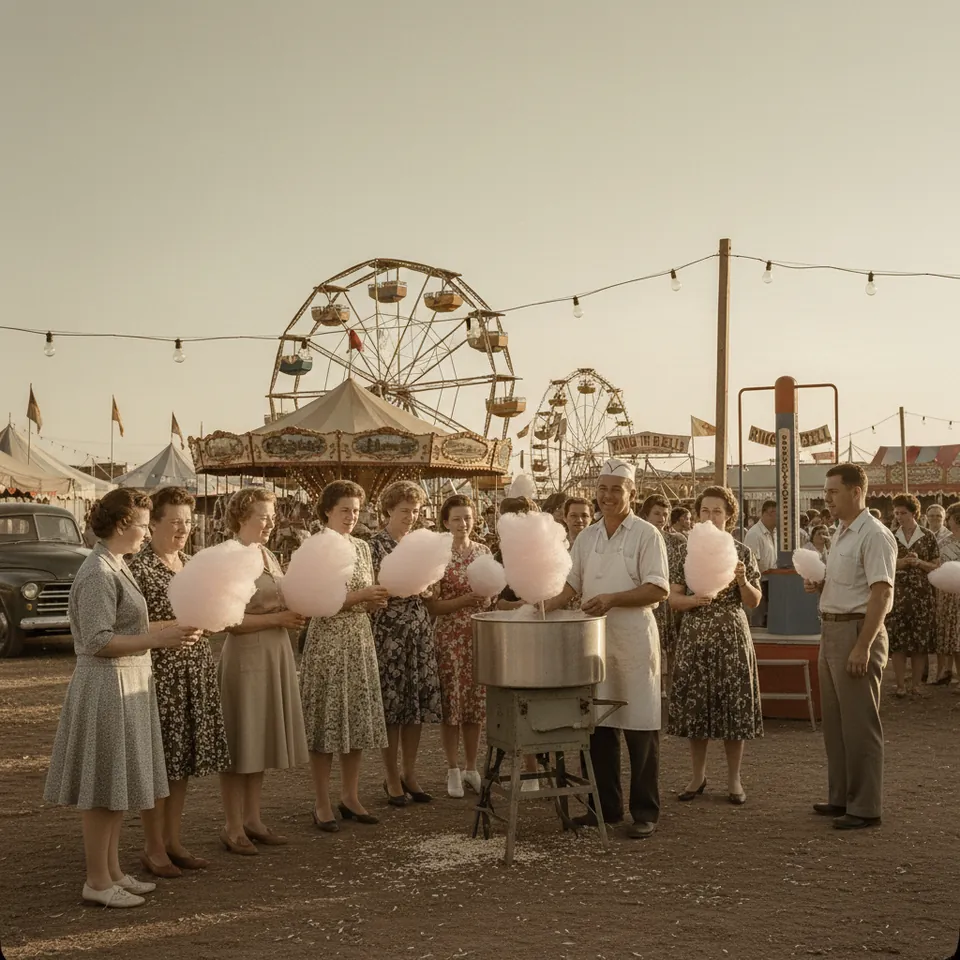
The carnival’s sudden arrival changed an ordinary field into a maze of rides, games, and food. Its temporary nature made the last evening count.
Read the story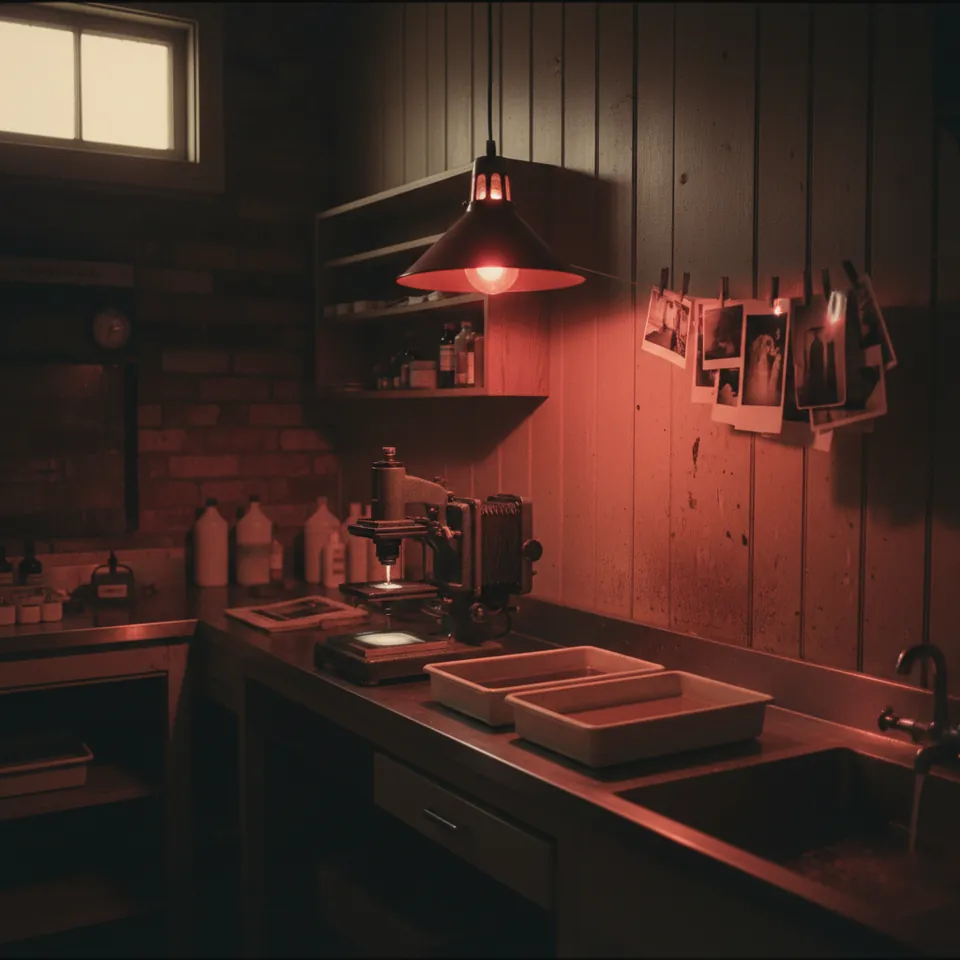
A red safelight helped with some black-and-white printing steps, but exposed film was handled in darkness. A Library of Congress demonstration makes the distinction clear.
Read the story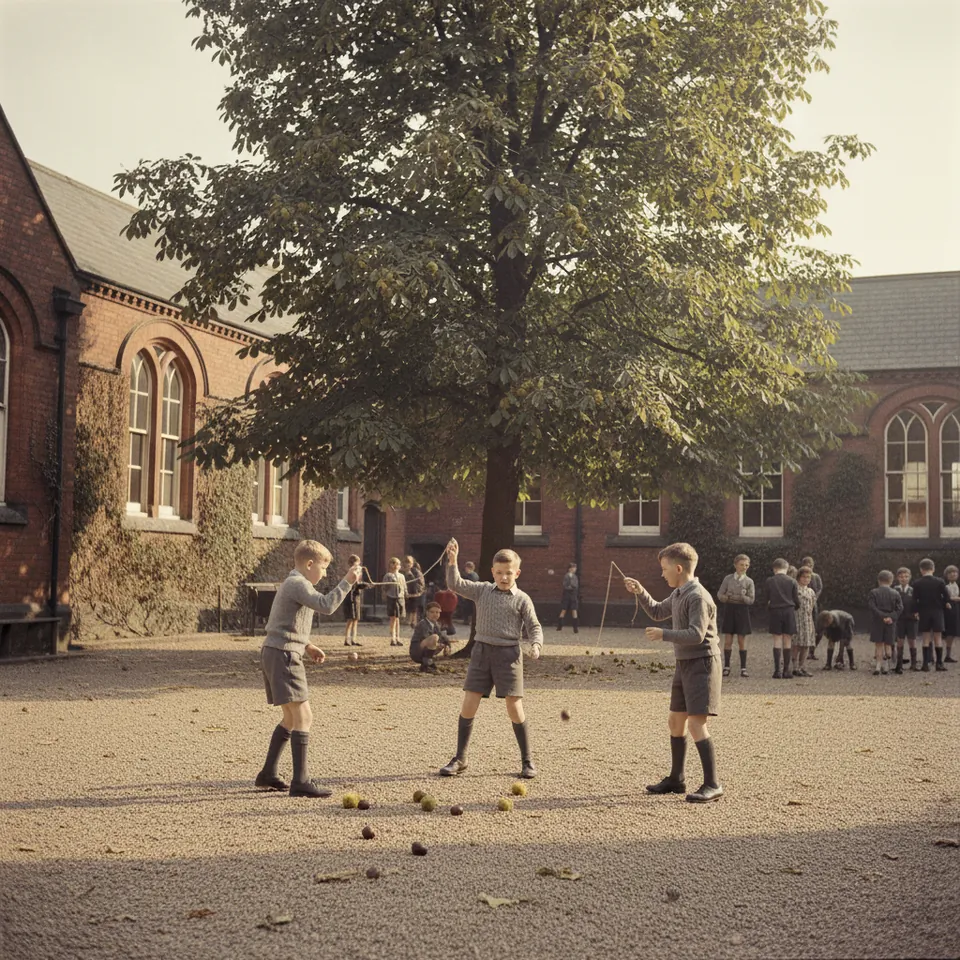
Conker season began under a horse chestnut tree and continued wherever children compared their finds. The seed, the string, and the challenge made a familiar British autumn game.
Read the story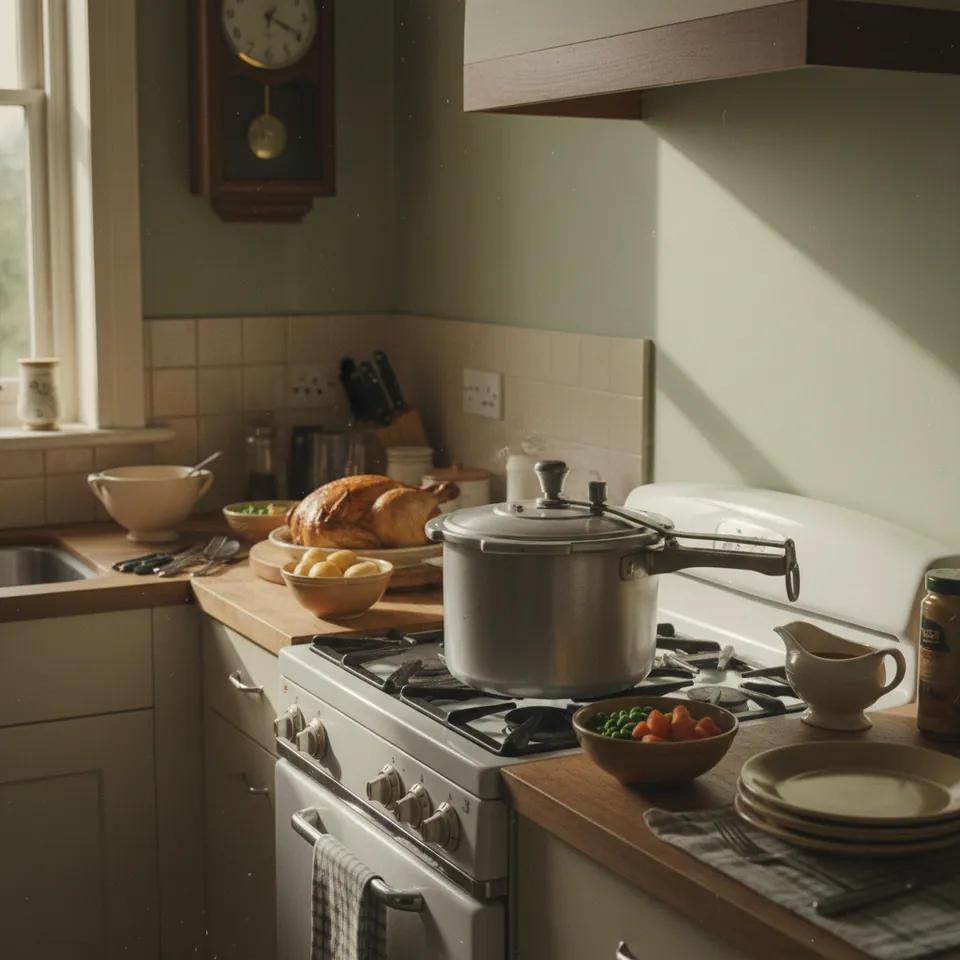
A pressure cooker shortened some cooking tasks, but it also demanded attention to the lid, pressure, and release. A 1950s model shows the controls behind a timely family meal.
Read the story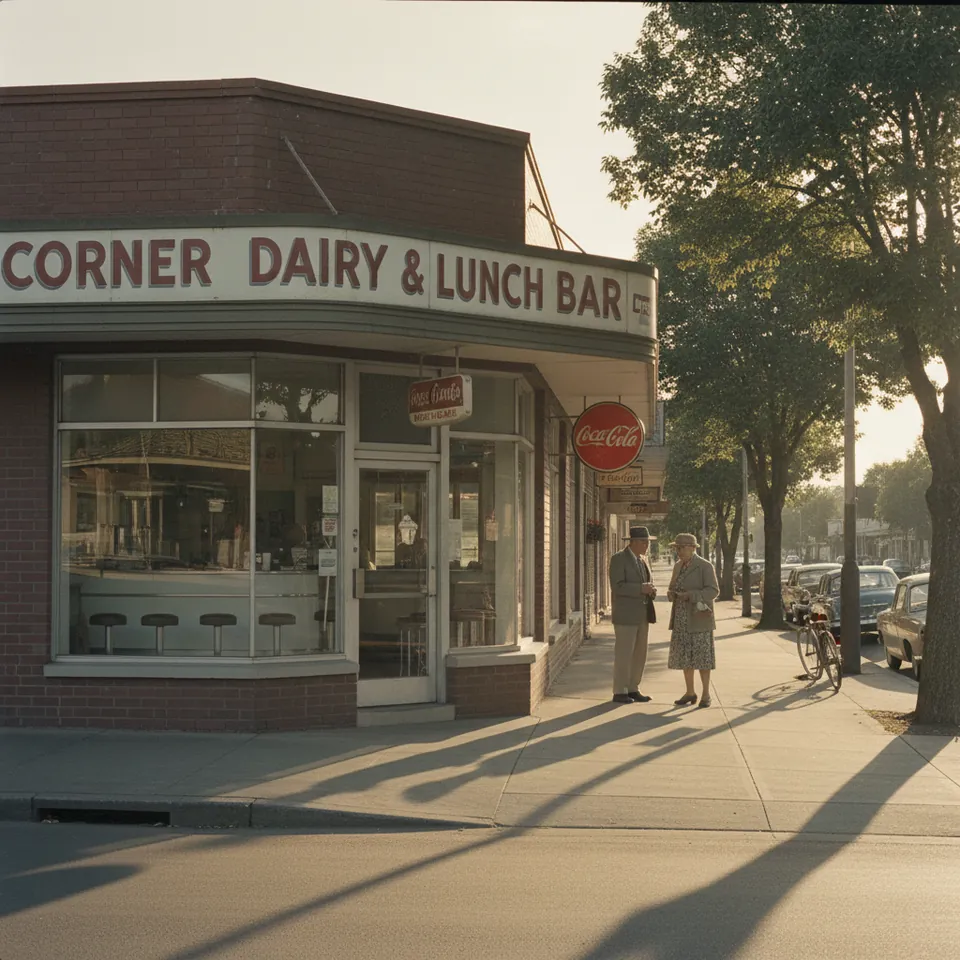
In Australian suburbs, the milk bar could sell everyday goods as well as treats. One family’s counter became part of a neighborhood’s routine.
Read the story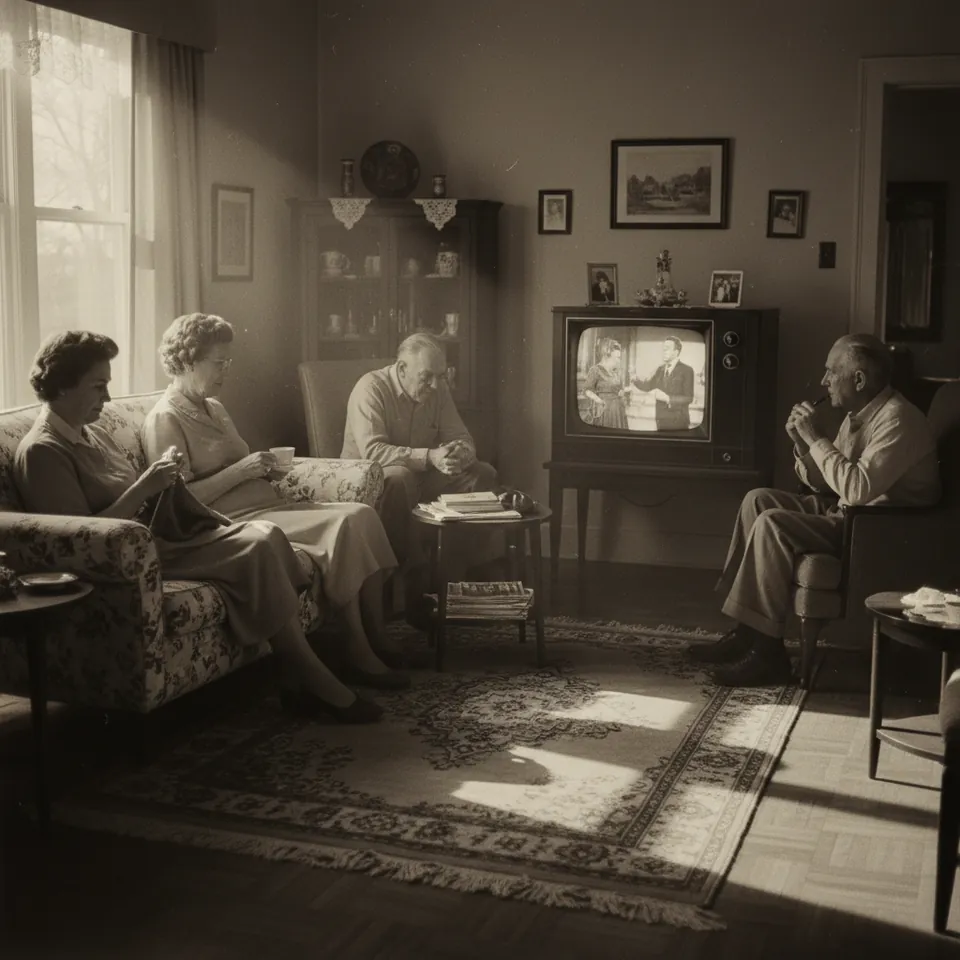
A daytime serial left its story open at the same hour each day. Remember who watched, who caught up a neighbor, and how the program fitted around work at home.
Read the story12 memories shown of 112
Public memory submissions are currently unavailable. You can still use our free questions with your family.
Find a question ↗