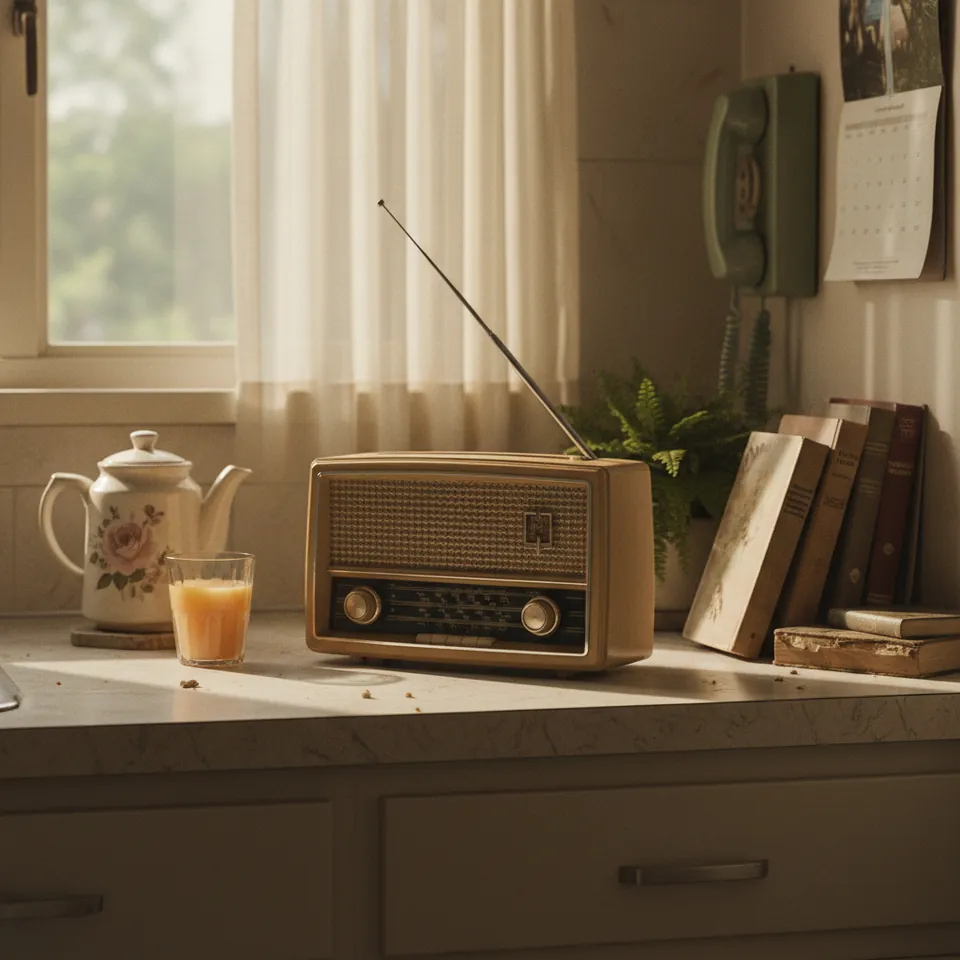
The Transistor Radio on the Kitchen Counter
Transistor radios made listening easier to move from room to room. Smithsonian objects trace the technology; the kitchen memory is about whose program filled the working day.
Read the storyExplore everyday places, objects, and rituals remembered from the 1950s in the WistMem memory archive. Search for something you remember ↗
A selection across topics
138 stories · Page 6 of 12
Transistor radios made listening easier to move from room to room. Smithsonian objects trace the technology; the kitchen memory is about whose program filled the working day.
Read the story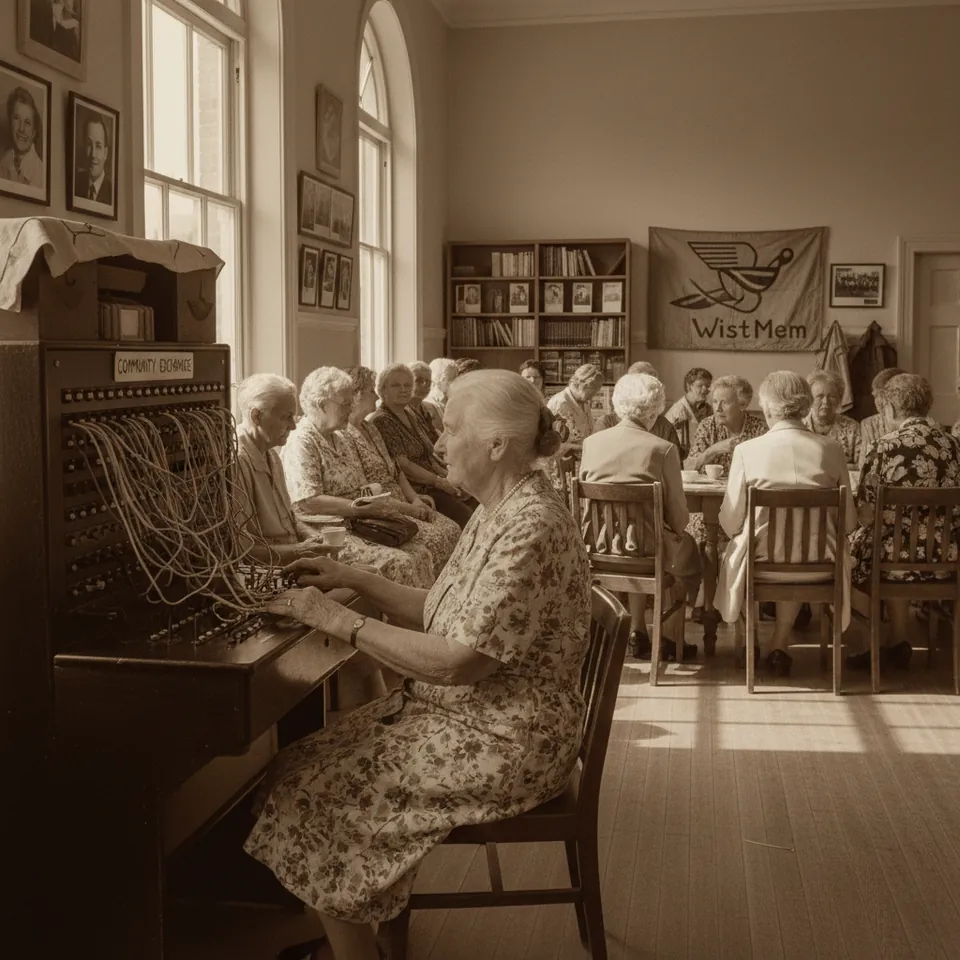
Before automatic dialing became ordinary, an operator joined callers through a board of cords and jacks. Historic photographs reveal the scale and skill of the job.
Read the story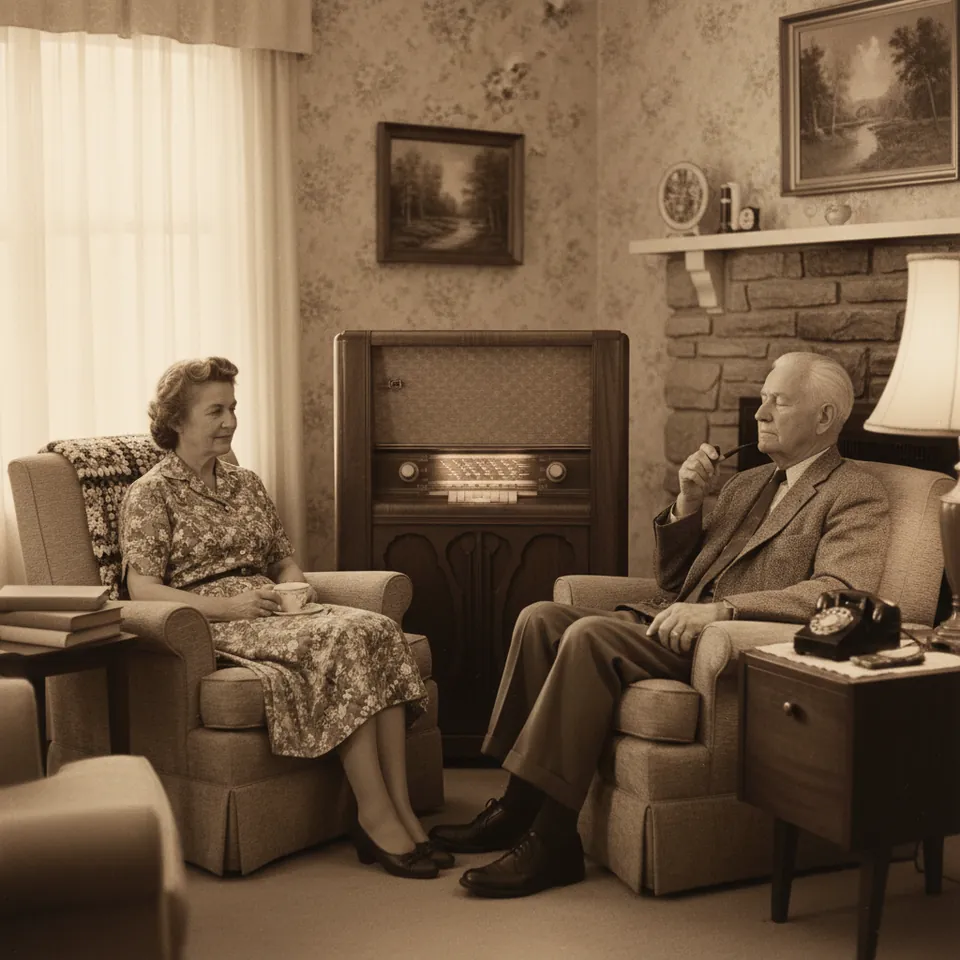
A radio serial asked listeners to picture the action, remember yesterday, and come back tomorrow. The suspense lived in the household between episodes.
Read the story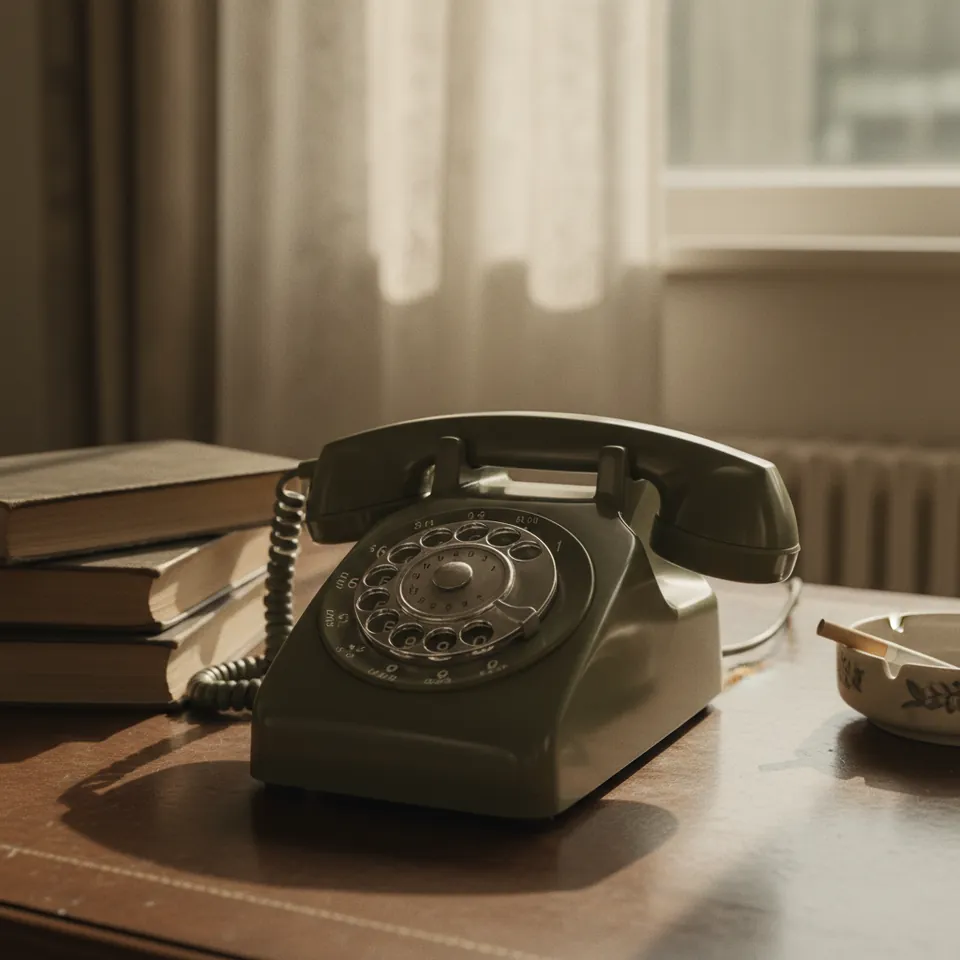
A rotary dial turned finger movement into pulses for the exchange. Its rhythm made dialing a small act of patience before the call began.
Read the story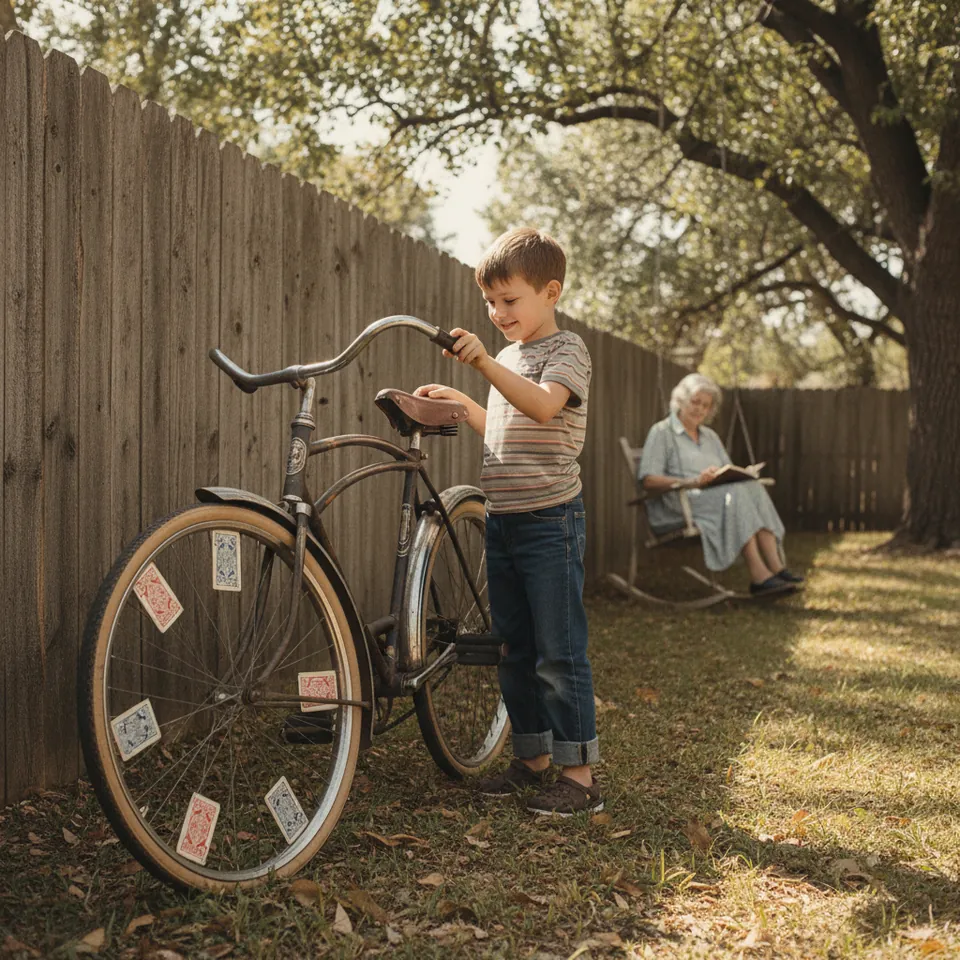
A card clipped against bicycle spokes made a rhythmic rattle that changed with wheel speed. The trick was simple, but its materials, sound, and rules belonged to a particular bike and neighborhood.
Read the story
A kerosene lamp required fuel, a wick, and regular attention. Historic homes show how a movable light shaped reading, chores, and evenings before local electrification.
Read the story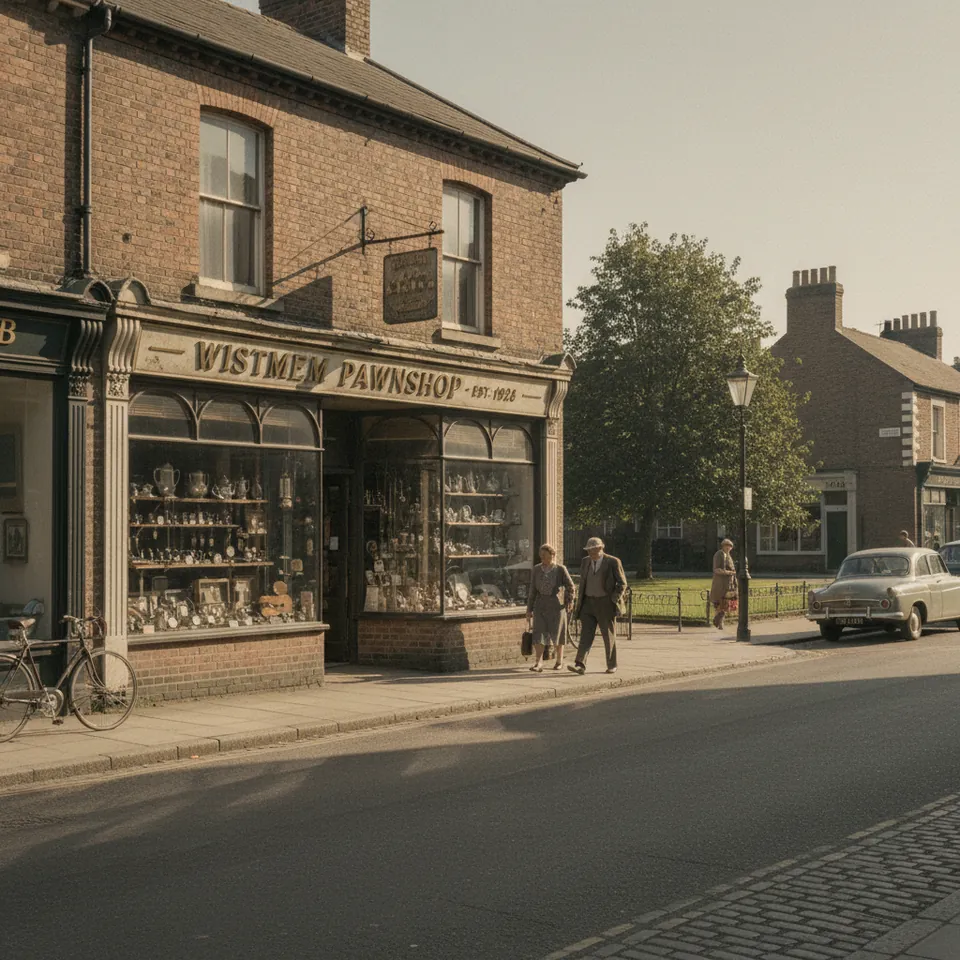
At a pawnbroker, a person could leave an item as security for a loan and keep a ticket to reclaim it. The high-street shop held practical as well as emotional stakes.
Read the story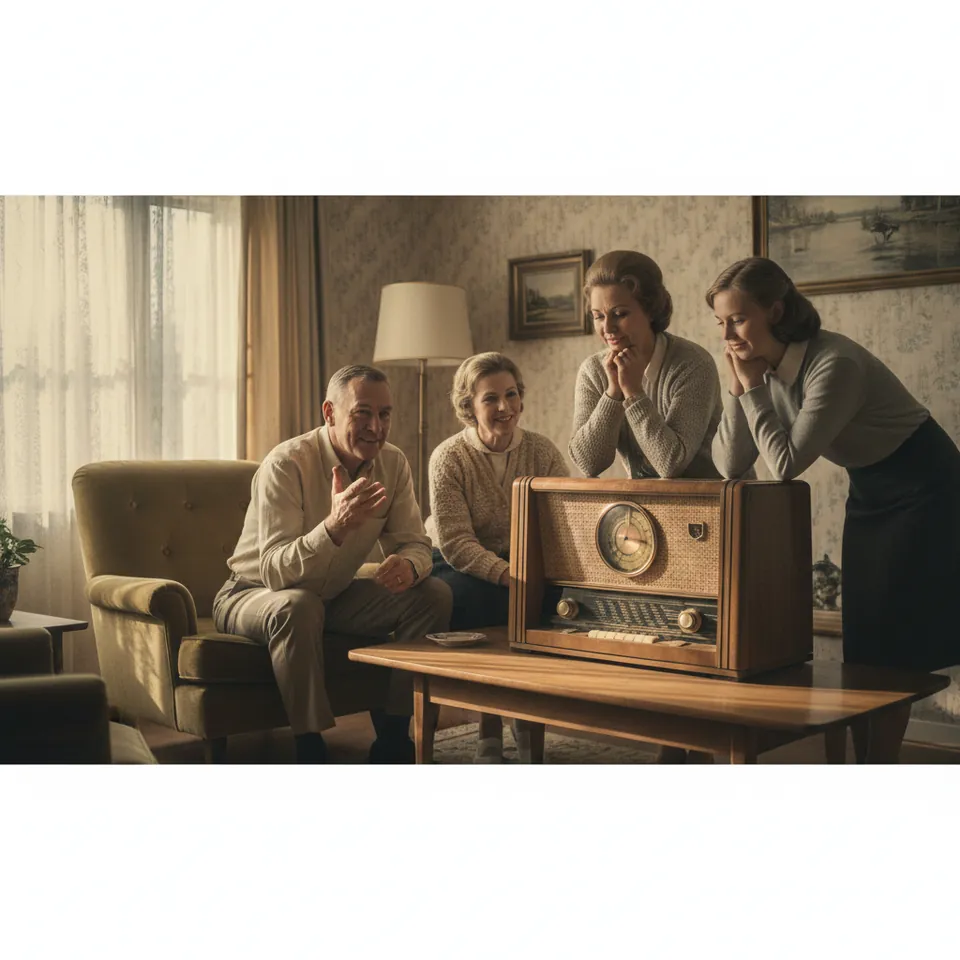
Radio commentary made sumo vivid without a picture. The wait before a bout, the announcer’s call, and family explanation all shaped the listening.
Read the story
A printed Britannica set could stand in a home for decades. Its edition date matters because knowledge kept changing while those volumes stayed the same.
Read the story
A 1958 Hula Hoop in the Smithsonian collection shows the material and size of a toy whose real challenge was keeping it moving in front of friends.
Read the story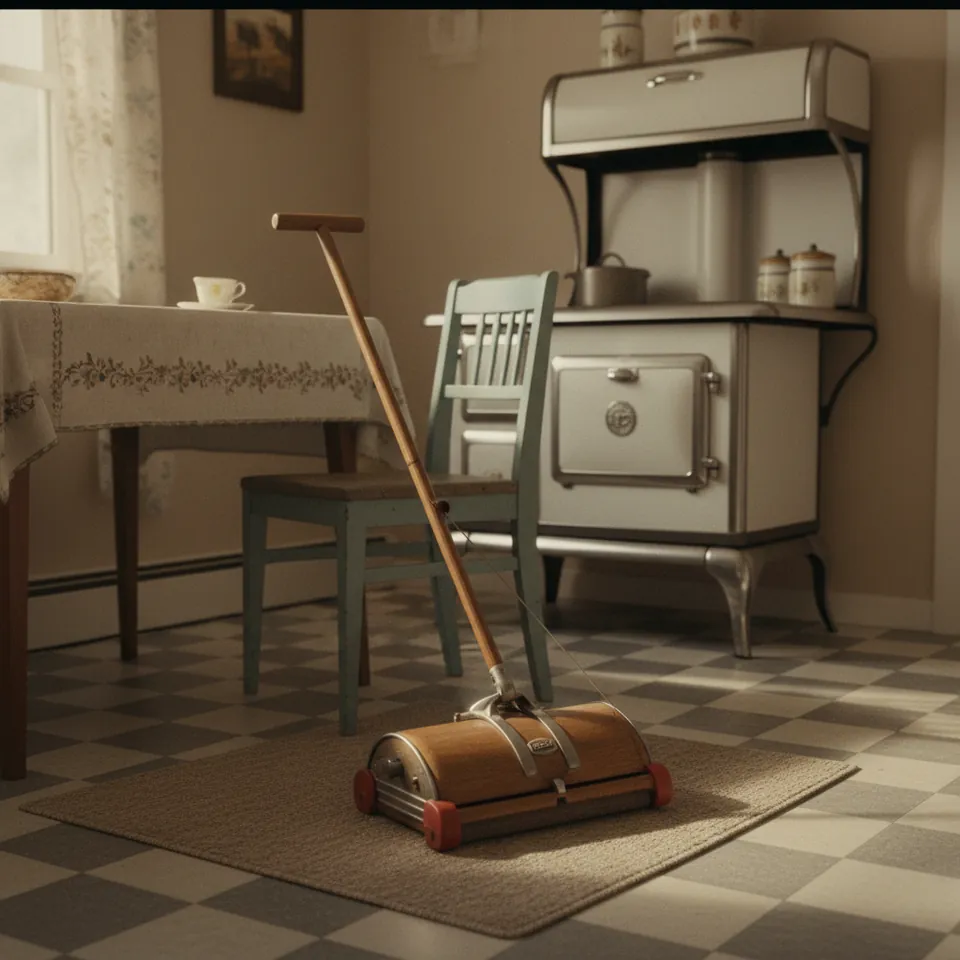
A carpet sweeper used its wheels to drive brushes and gather crumbs without a motor. An early advertisement and a museum vacuum show what changed when electric suction arrived.
Read the story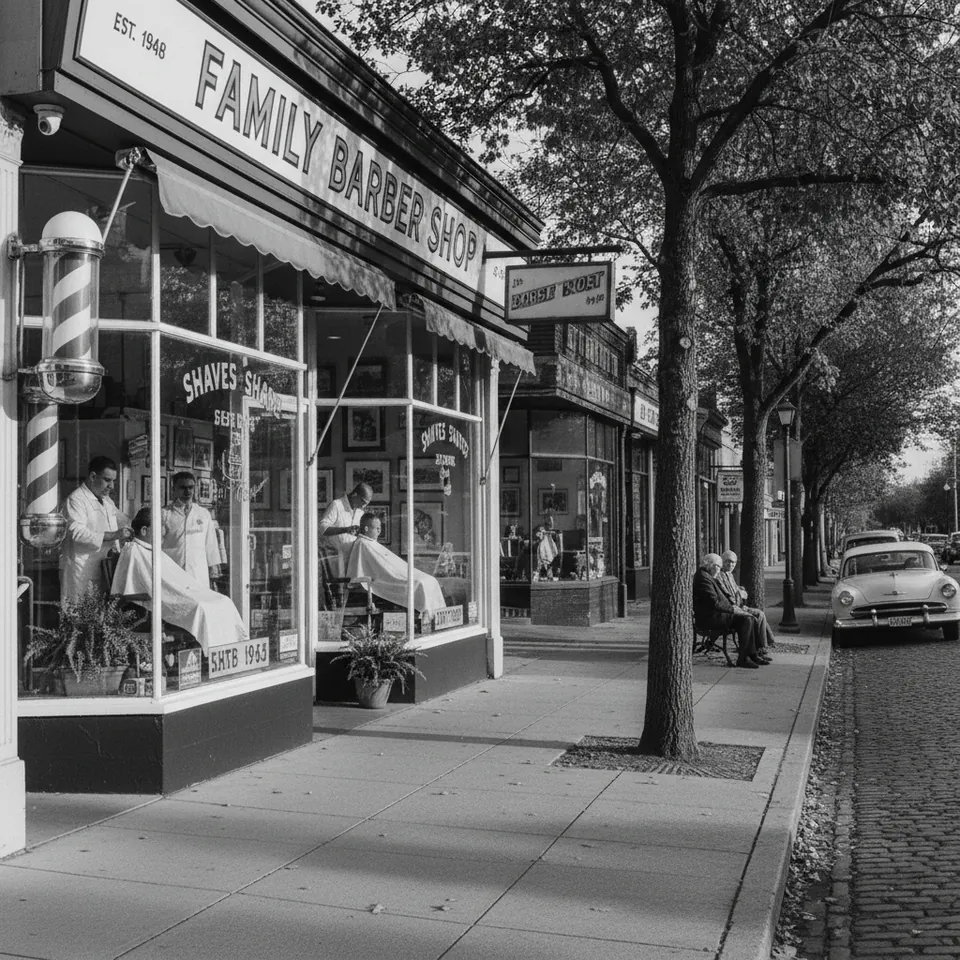
A regular haircut meant finding a barber who knew what was wanted, waiting a turn, and noticing who else came through the shop door.
Read the story12 memories shown of 138
Public memory submissions are currently unavailable. You can still use our free questions with your family.
Find a question ↗