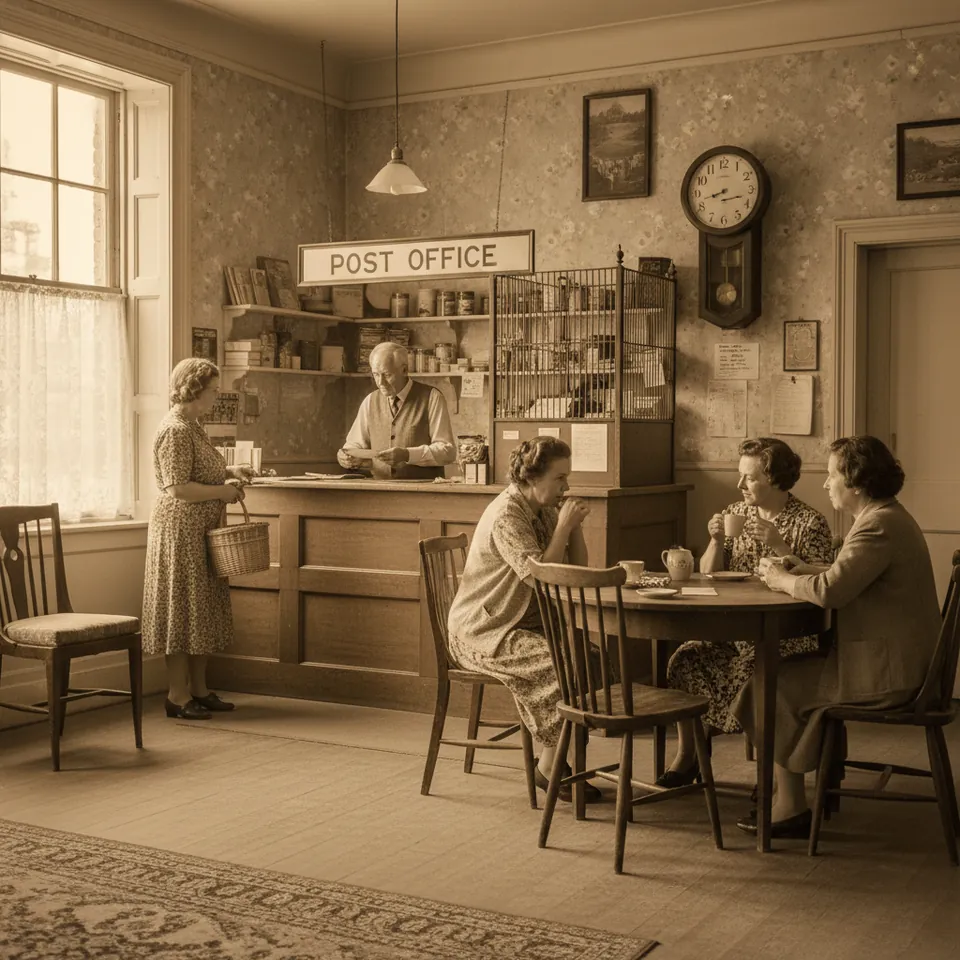
The Village Post Office and Gossip Counter
A village post office gave residents a nearby place to send letters and handle other essentials. The queue and counter also created a regular meeting point.
Read the storyExplore everyday places, objects, and rituals remembered from the 1970s in the WistMem memory archive. Search for something you remember ↗
A selection across topics
138 stories · Page 4 of 12
A village post office gave residents a nearby place to send letters and handle other essentials. The queue and counter also created a regular meeting point.
Read the story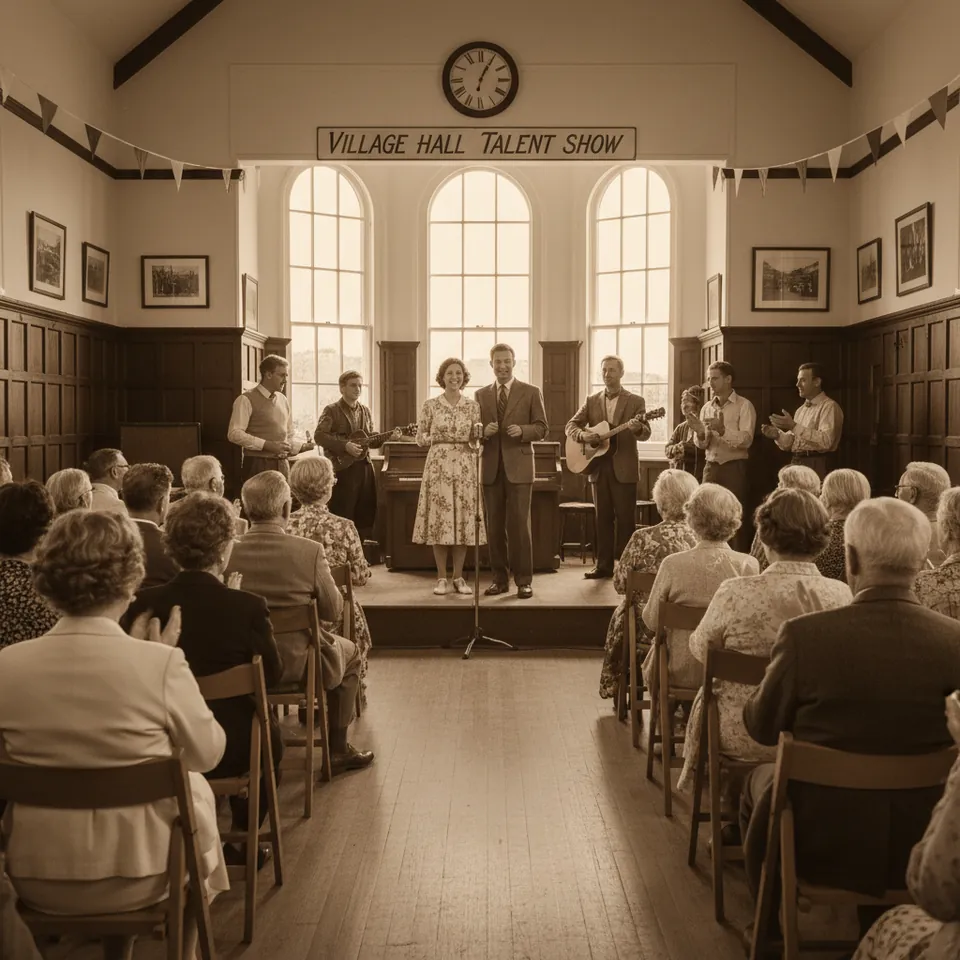
A local talent show made familiar people briefly unfamiliar. The performer, accompanist, organizer, and audience all had a part in the evening.
Read the story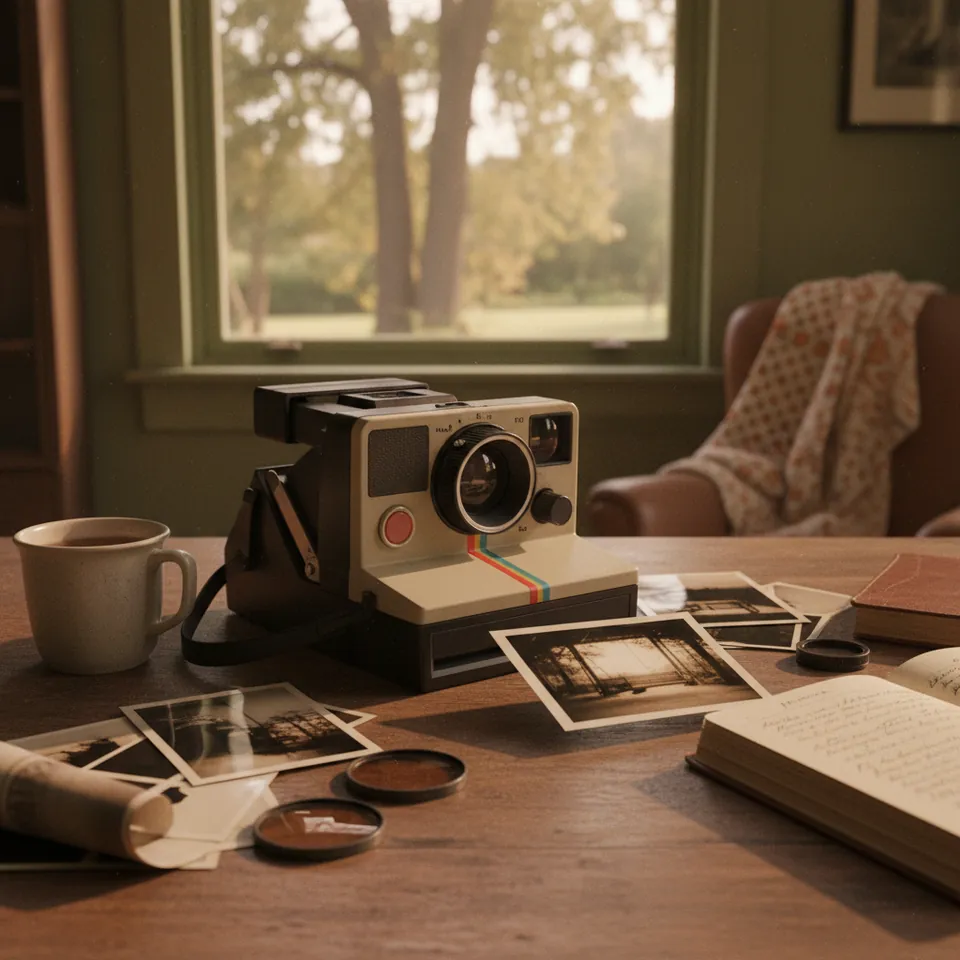
The familiar wave of an instant print made waiting feel active, but Polaroid says shaking can damage a developing image. Here is what happens inside the film and why the ritual endured.
Read the story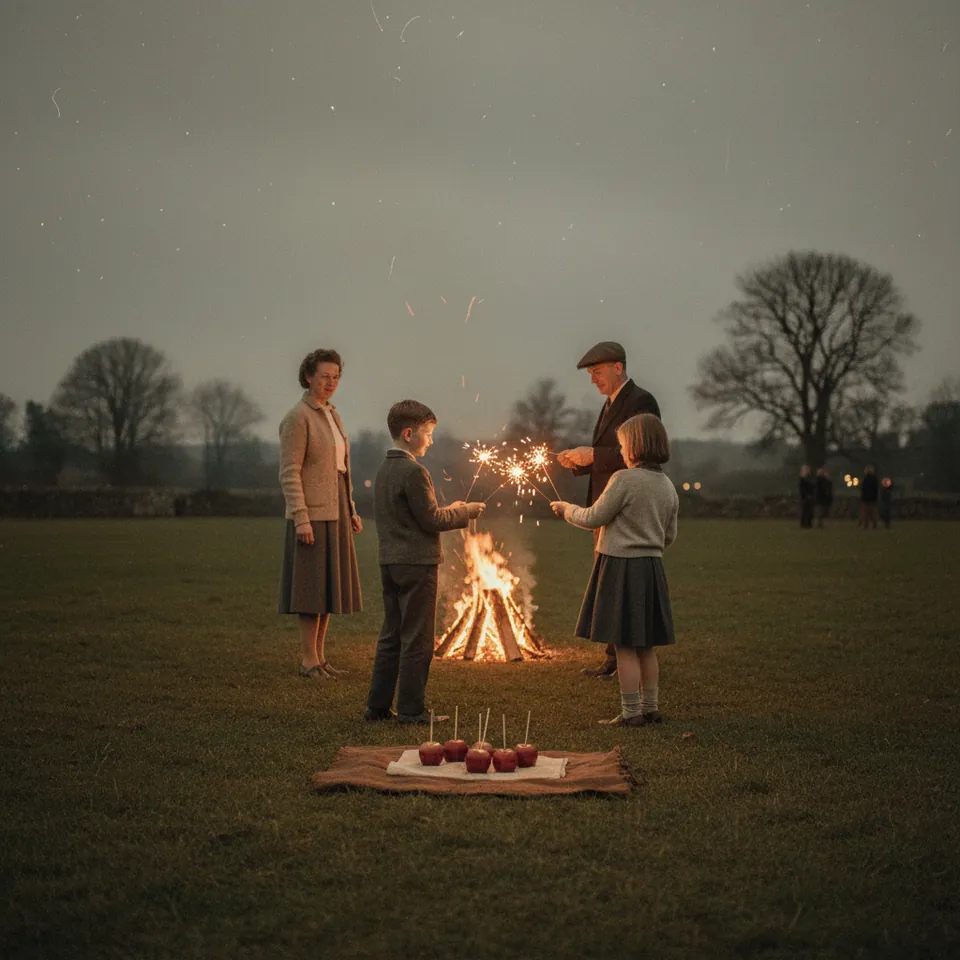
Bonfire Night brought families into the cold with sparklers, hot food, and a shared view of the sky. Its cheerful modern ritual has a more complicated political origin.
Read the story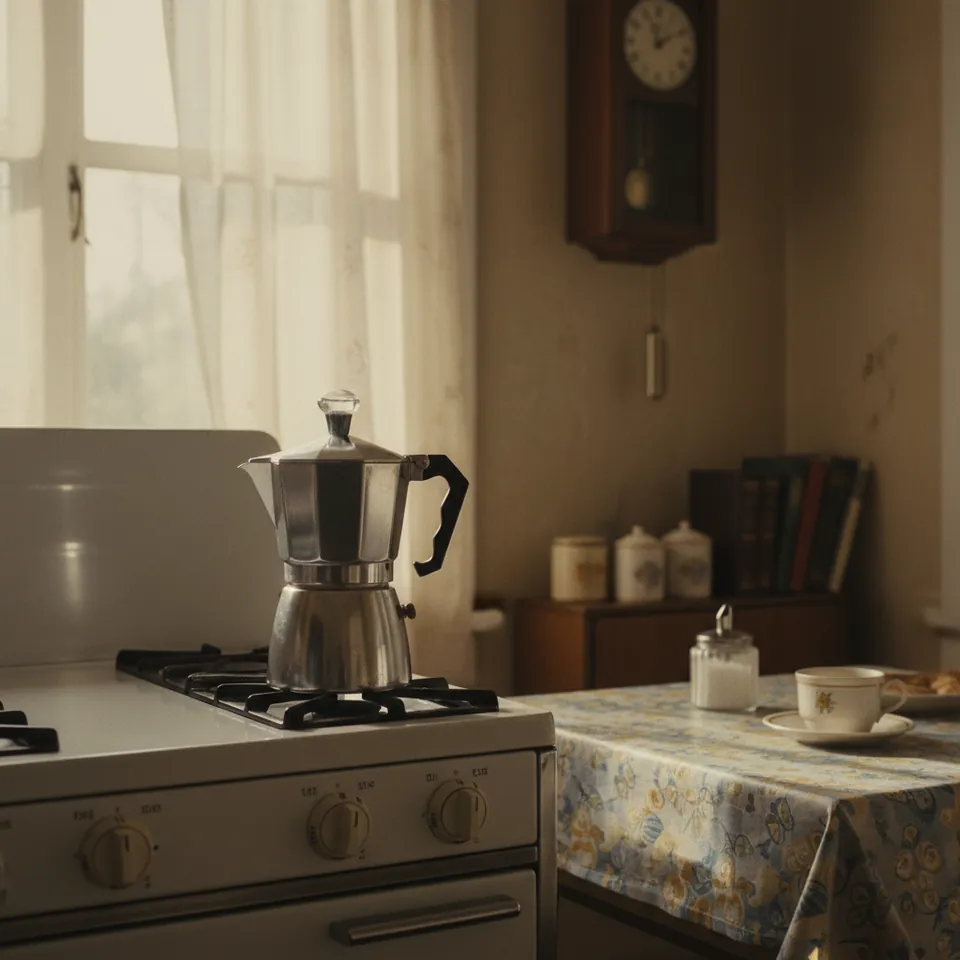
The percolator made its work audible. This memory focuses on the people and morning routine around the pot, while museum records help identify the model on the counter.
Read the story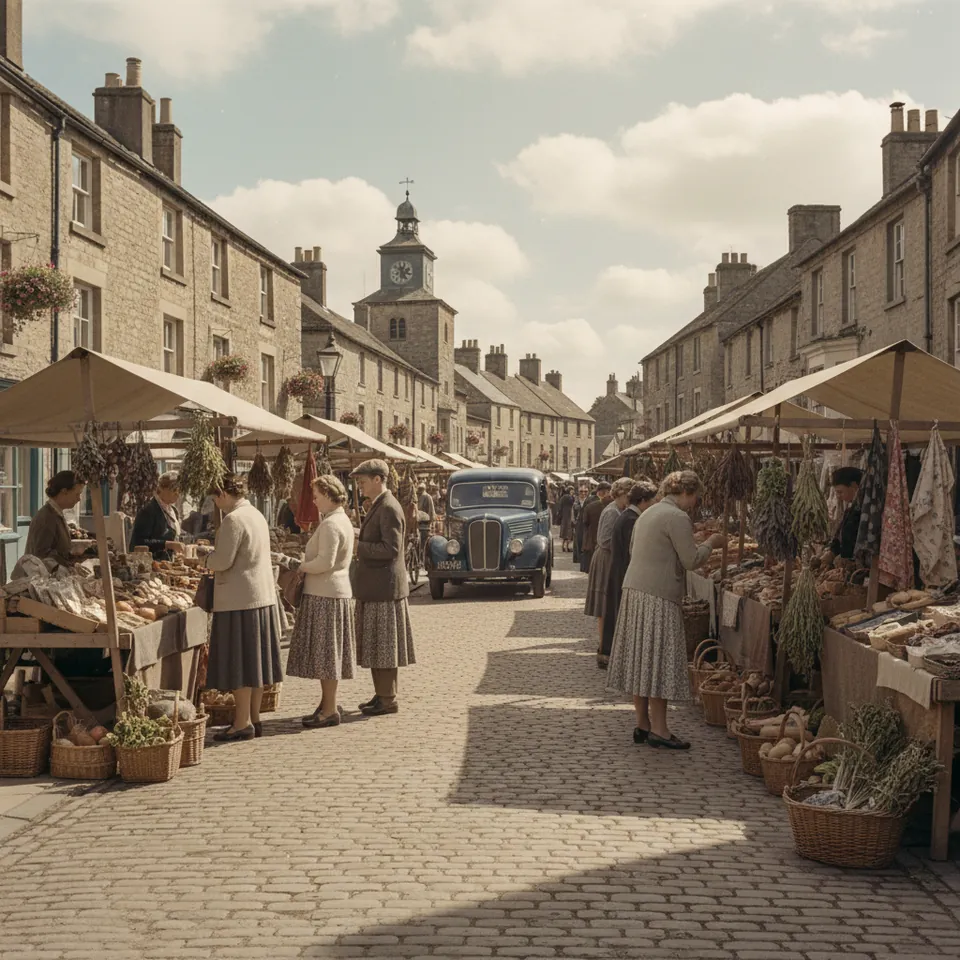
A travelling market arrived, assembled, traded, and disappeared within a day. Historic market records show how temporary stalls worked alongside permanent high-street shops.
Read the story
Record shops were more than shelves of discs. Staff knowledge, local scenes, and the act of browsing shaped what listeners found.
Read the story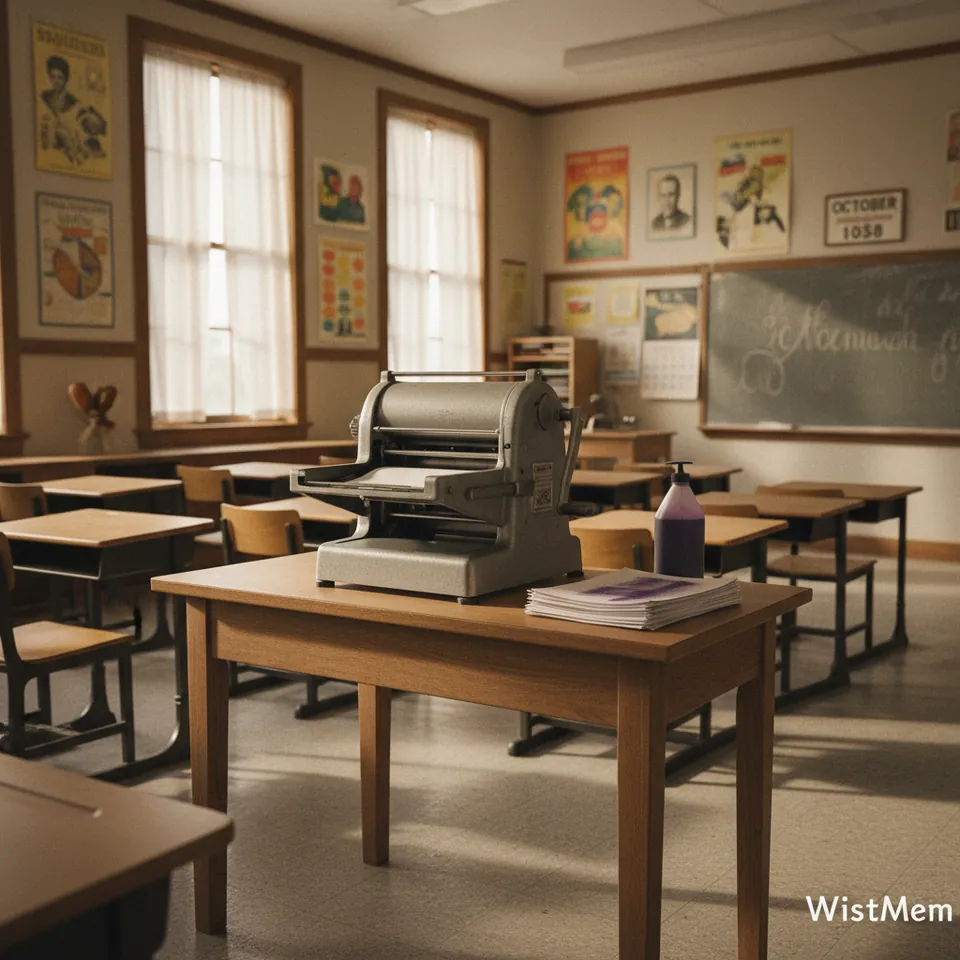
Before easy photocopying, a mimeograph could reproduce worksheets and notices from a stencil. Preparing the master was the careful part.
Read the story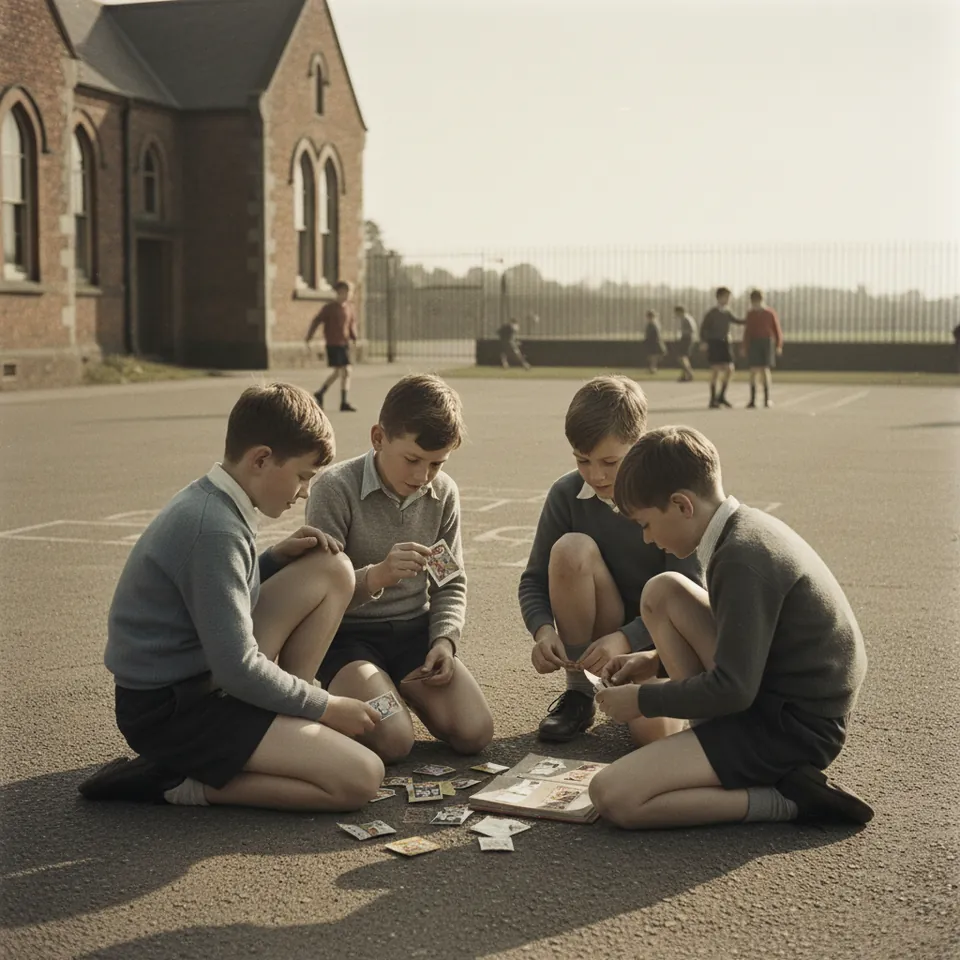
Football sticker albums turned player portraits and team badges into numbered spaces. A spare sticker mattered when a friend needed it, but the particular chant, packet, and album depended on place and year.
Read the story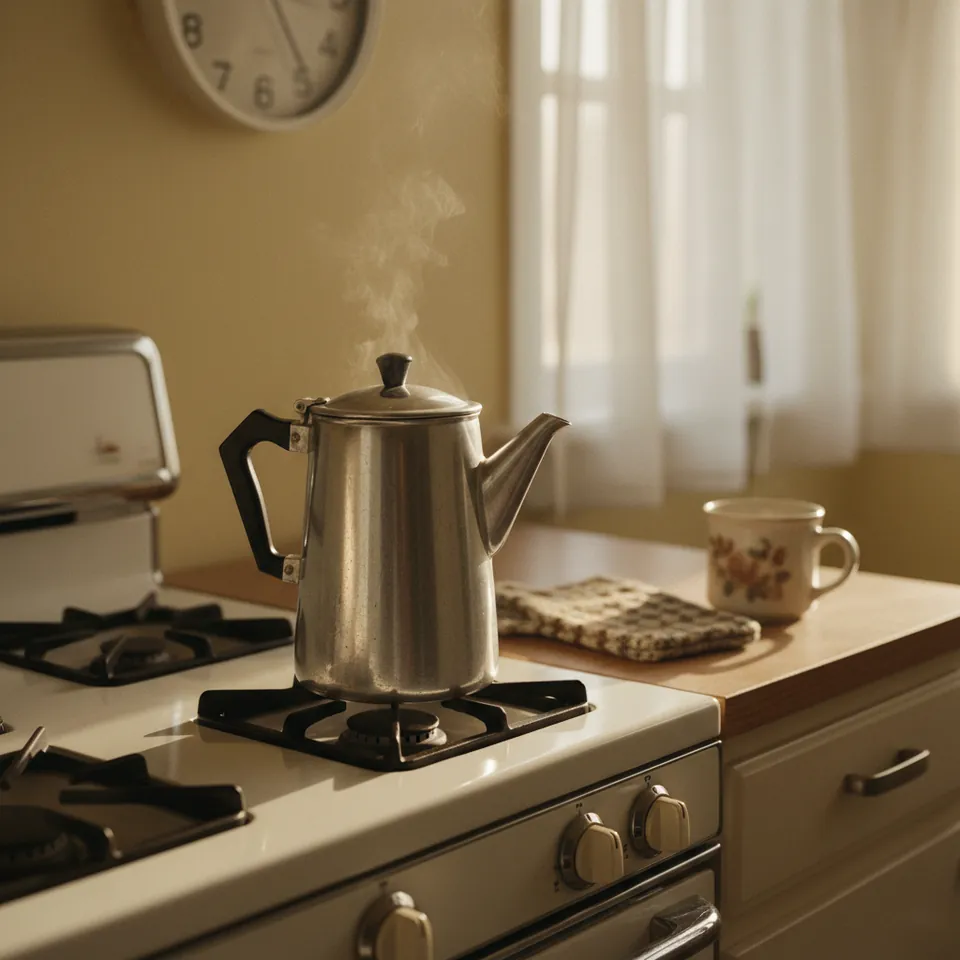
A percolator's basket, stem, and visible top show how coffee circulated. Surviving models explain why a cook had to judge strength, while the morning-sound memory tells a different story.
Read the story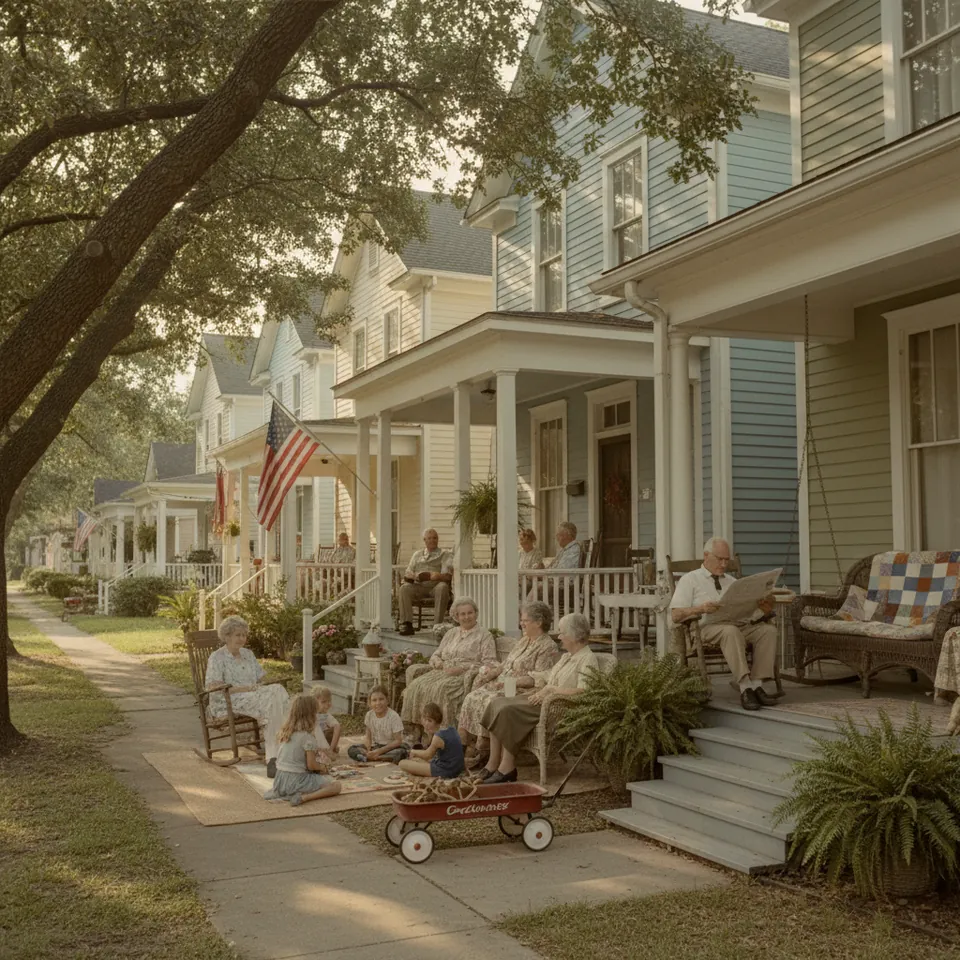
A porch could offer shade, a place for children, and a way to greet neighbors without arranging a visit. Historic photographs show how varied those settings were.
Read the story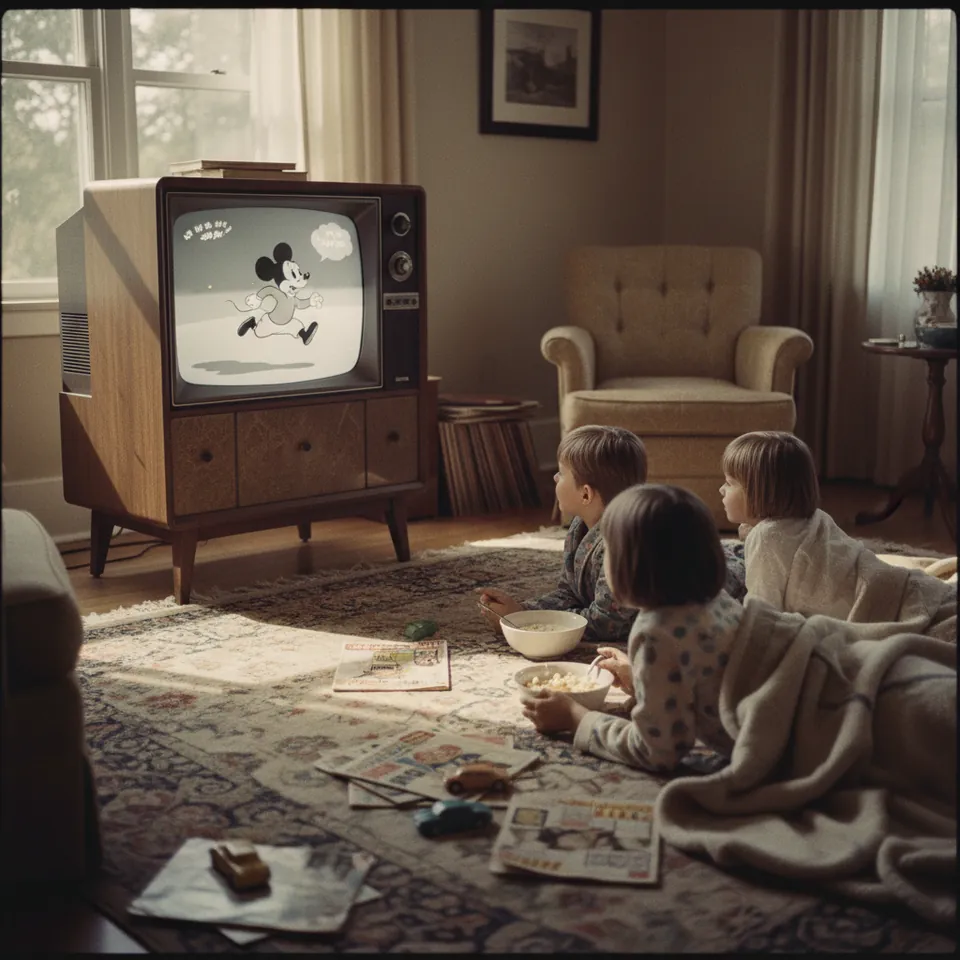
The Saturday cartoon ritual depended on household rules as well as a broadcast schedule. Ask who could turn the set on, choose the channel, and decide when watching ended.
Read the story12 memories shown of 138
Public memory submissions are currently unavailable. You can still use our free questions with your family.
Find a question ↗