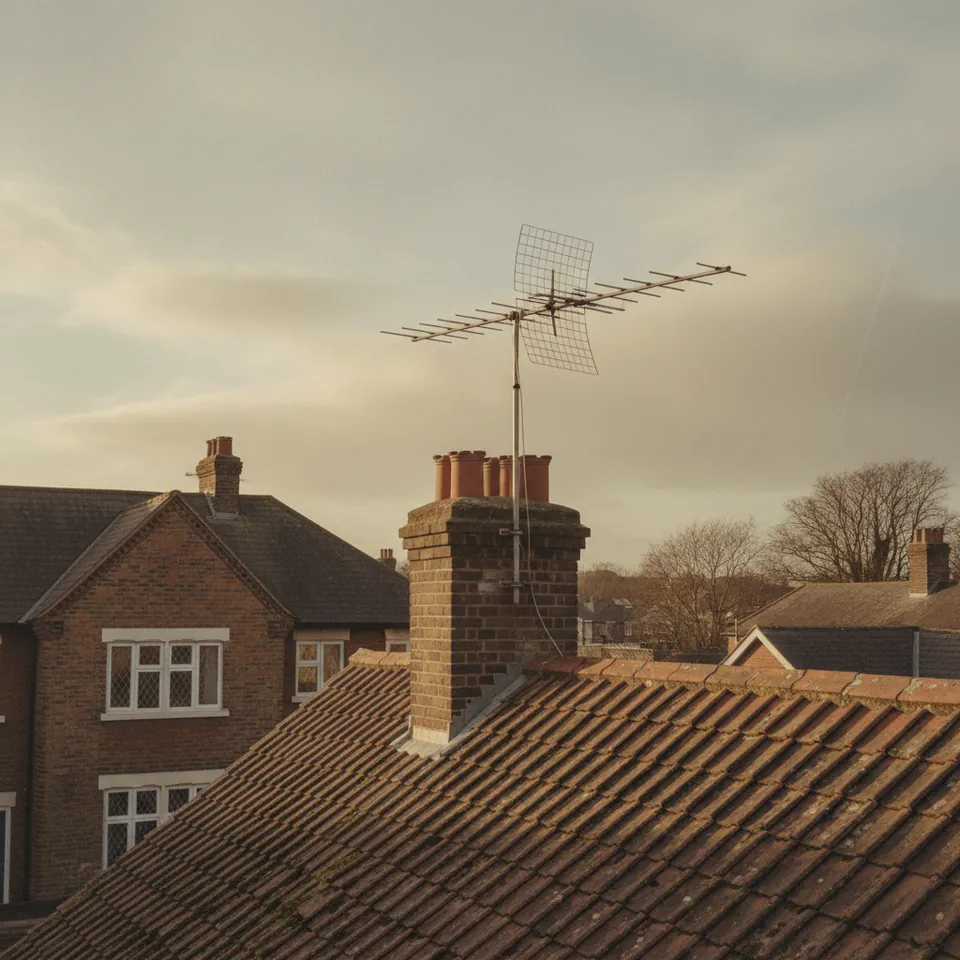
The TV Aerial on the Roof
A rooftop aerial could turn a weak broadcast signal into a watchable picture. Its position also made television reception part of home maintenance.
Read the storyExplore everyday places, objects, and rituals remembered from the 1960s in the WistMem memory archive. Search for something you remember ↗
A selection across topics
145 stories · Page 5 of 13
A rooftop aerial could turn a weak broadcast signal into a watchable picture. Its position also made television reception part of home maintenance.
Read the story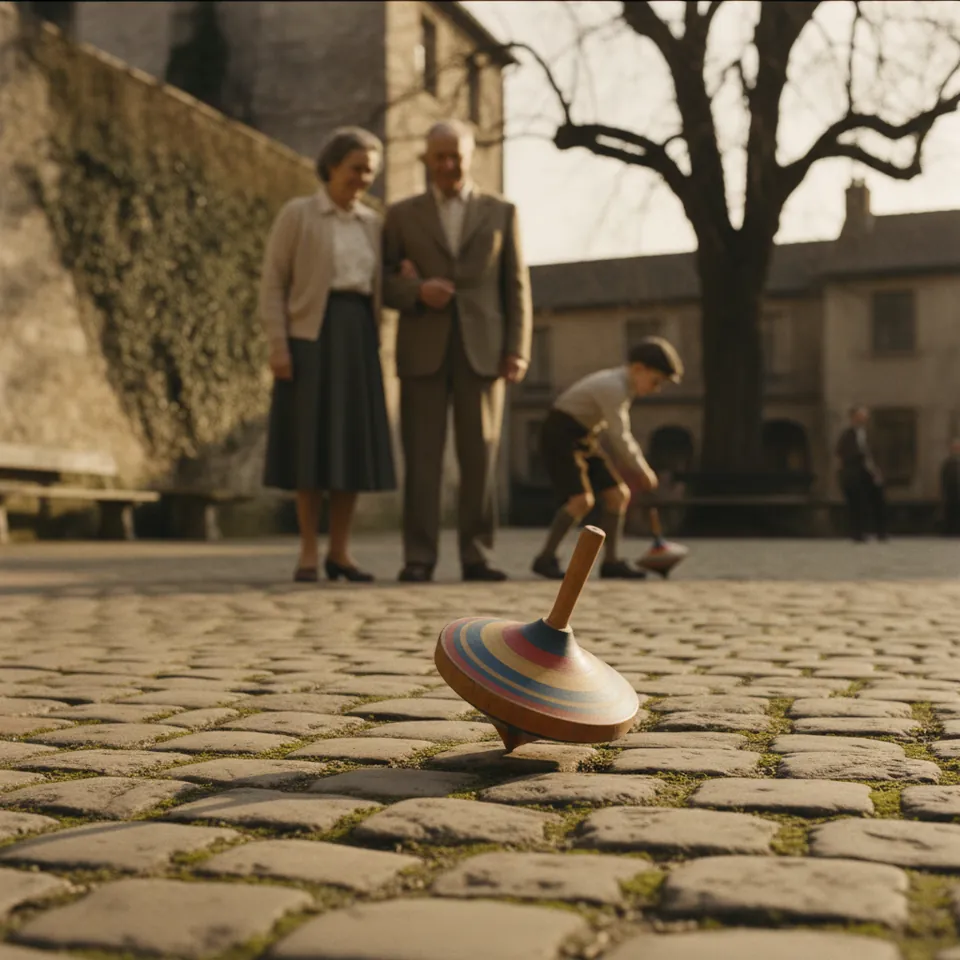
A wooden top needed a careful wind and a confident throw. Smithsonian objects show the string and shape behind a toy that could turn a hard patch of ground into a stage.
Read the story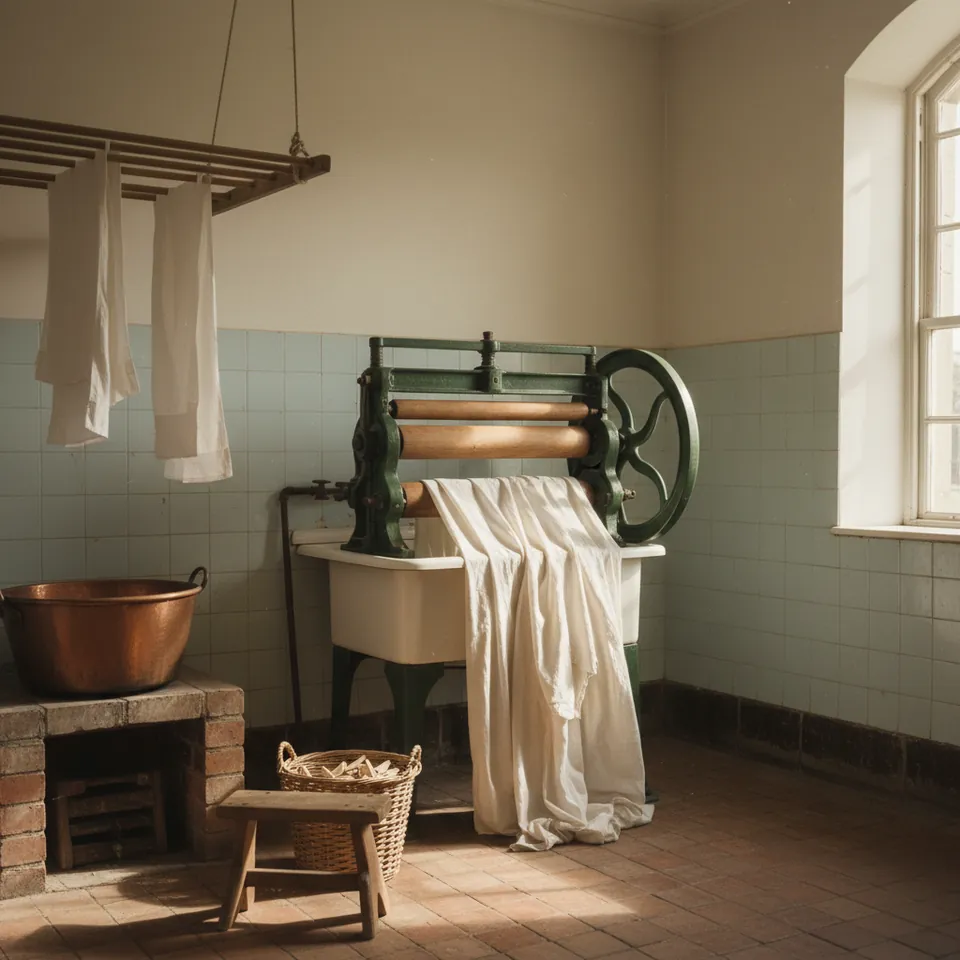
A mangle used rollers to squeeze water from washed fabric before drying. Museum examples show both household and public-laundry scales, and why the job needed hands and space.
Read the story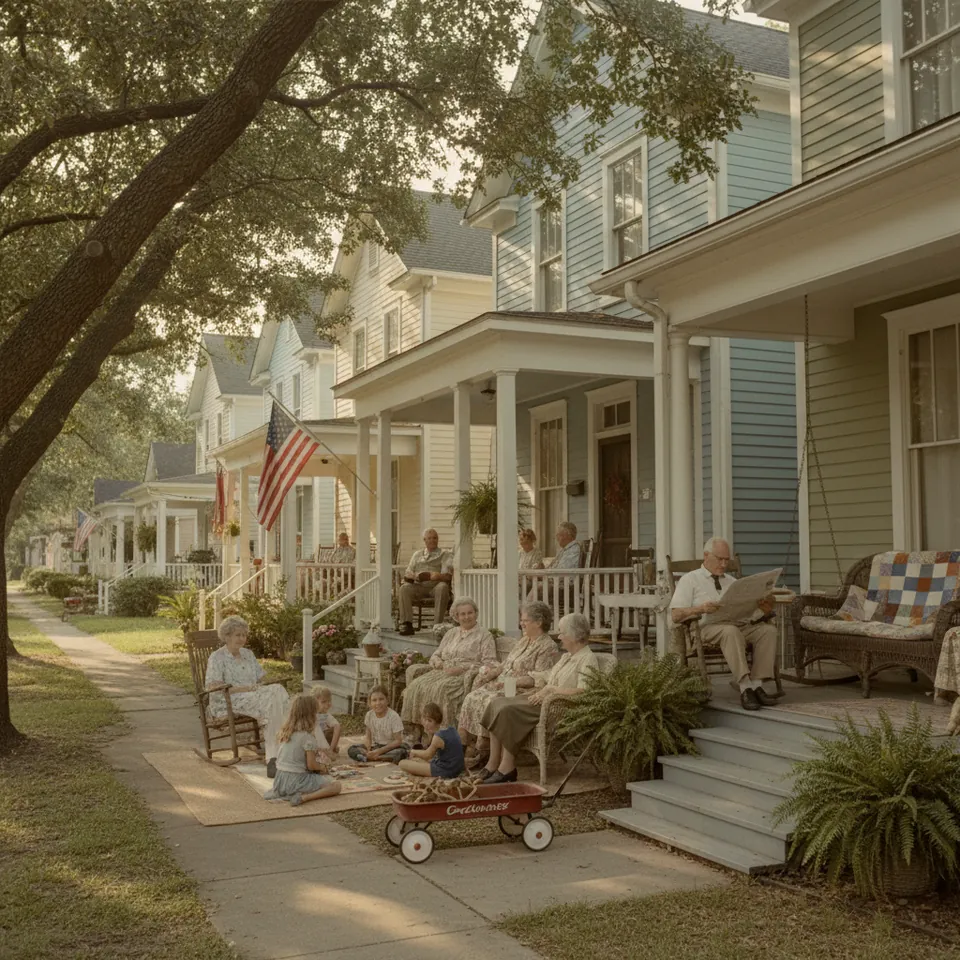
A porch could offer shade, a place for children, and a way to greet neighbors without arranging a visit. Historic photographs show how varied those settings were.
Read the story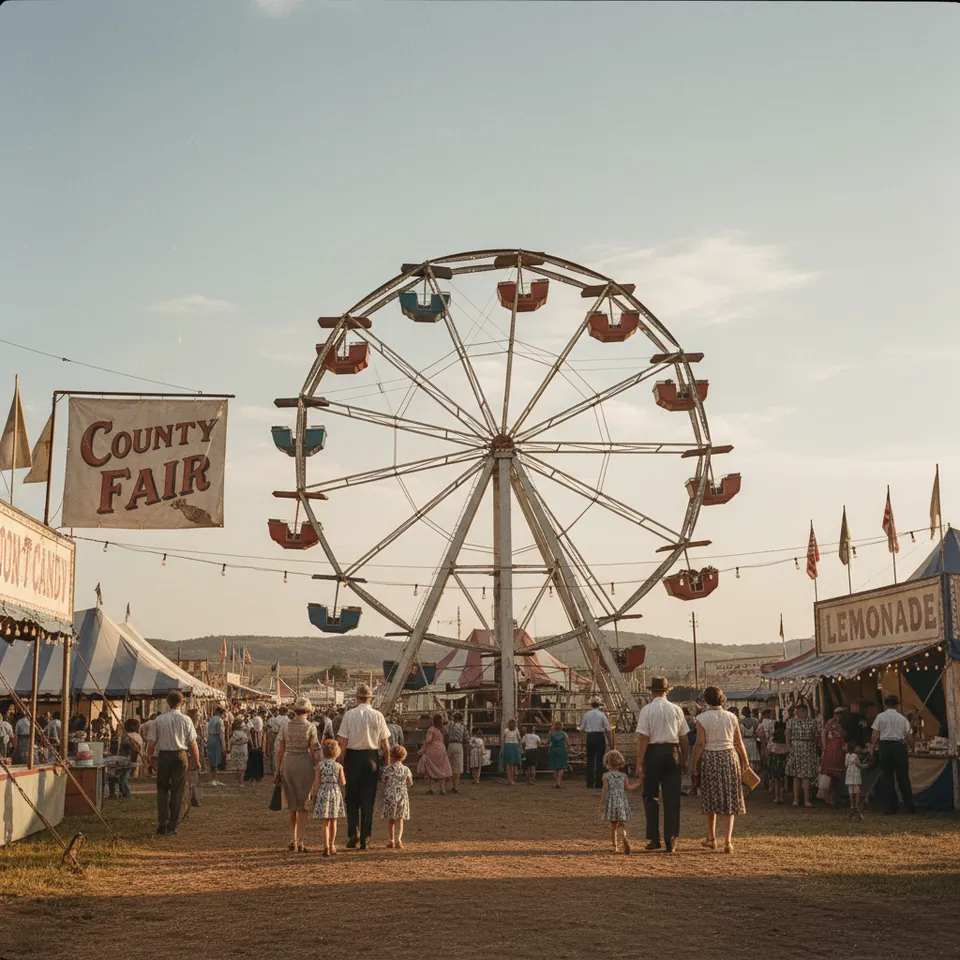
The Ferris wheel may be the clearest image, but a county fair also held exhibits, judging, food stalls, and local encounters. Trace the route your family took.
Read the story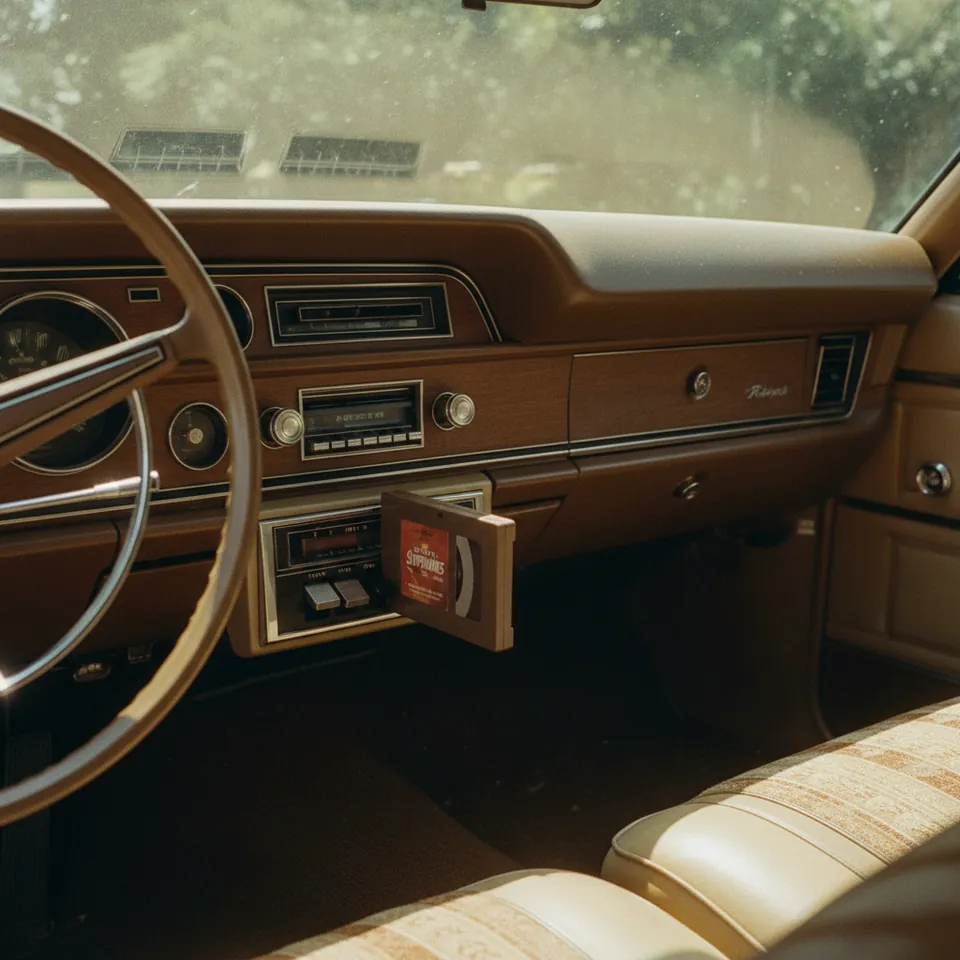
The 8-track cartridge let a driver choose recorded music on the road. Ford records and a Library of Congress interview place the device in cars without making every family trip sound the same.
Read the story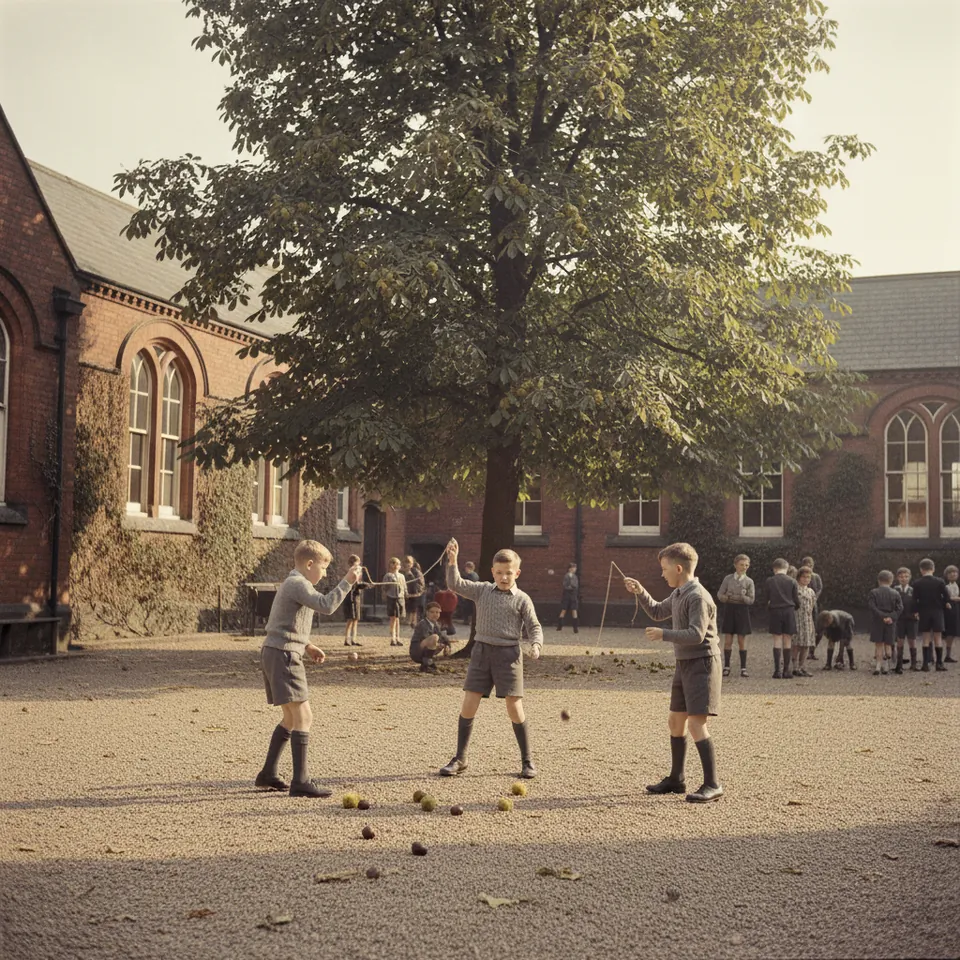
Conker season began under a horse chestnut tree and continued wherever children compared their finds. The seed, the string, and the challenge made a familiar British autumn game.
Read the story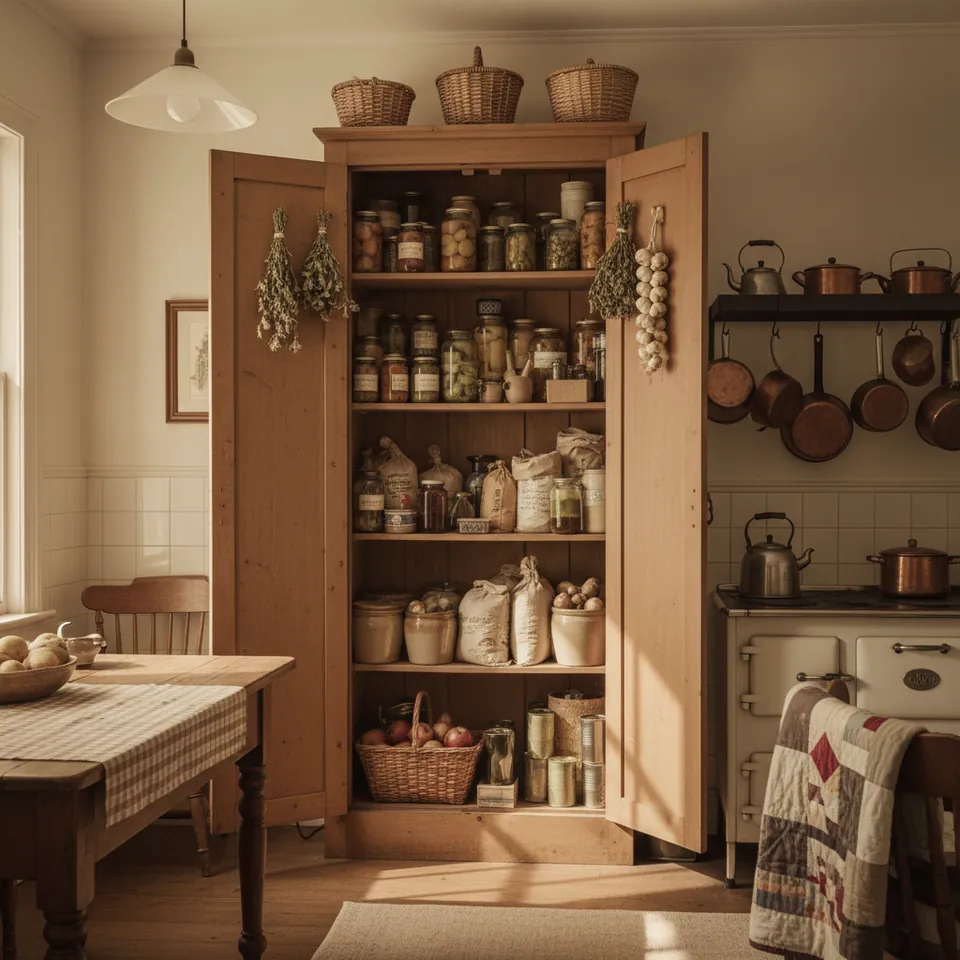
A winter pantry held foods preserved and bought at different times. A 1925 pantry book and current preservation guidance help explain the shelf without treating old jars as safe to eat.
Read the story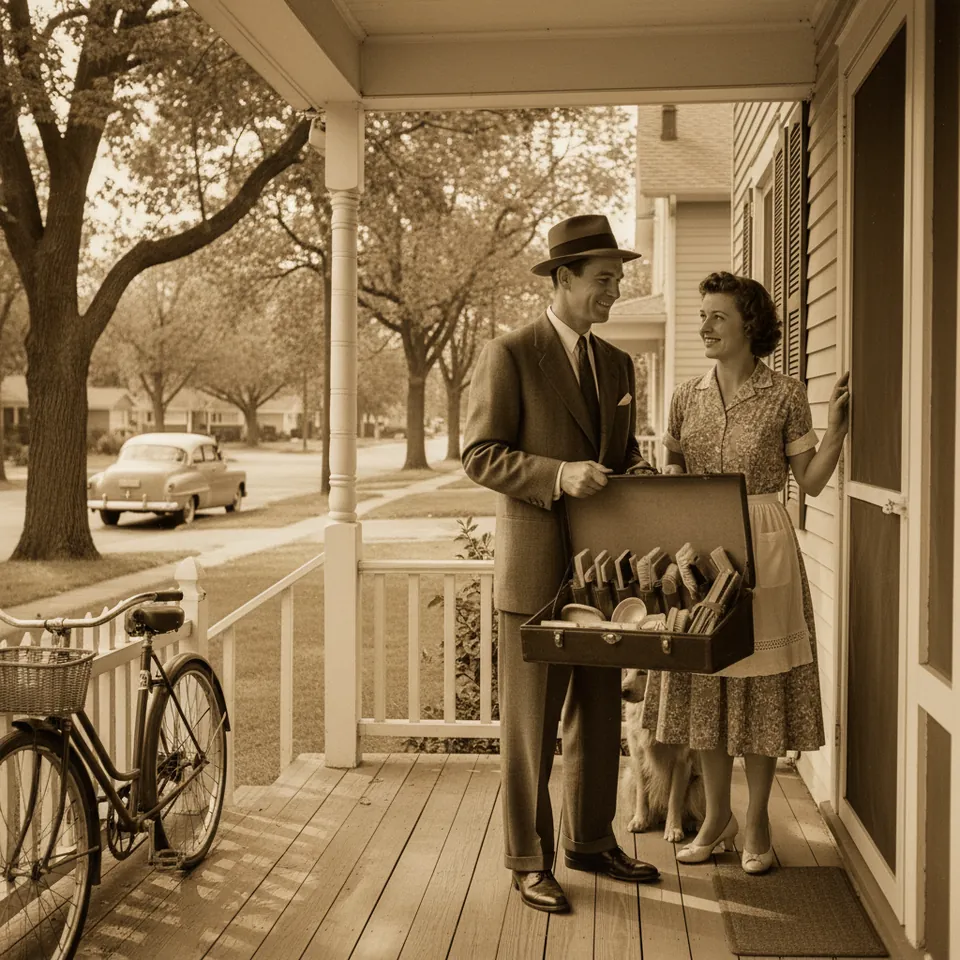
A travelling salesman brought goods or a catalogue to customers rather than waiting in a shop. Library of Congress records show both the work and the uncertain response at the door.
Read the story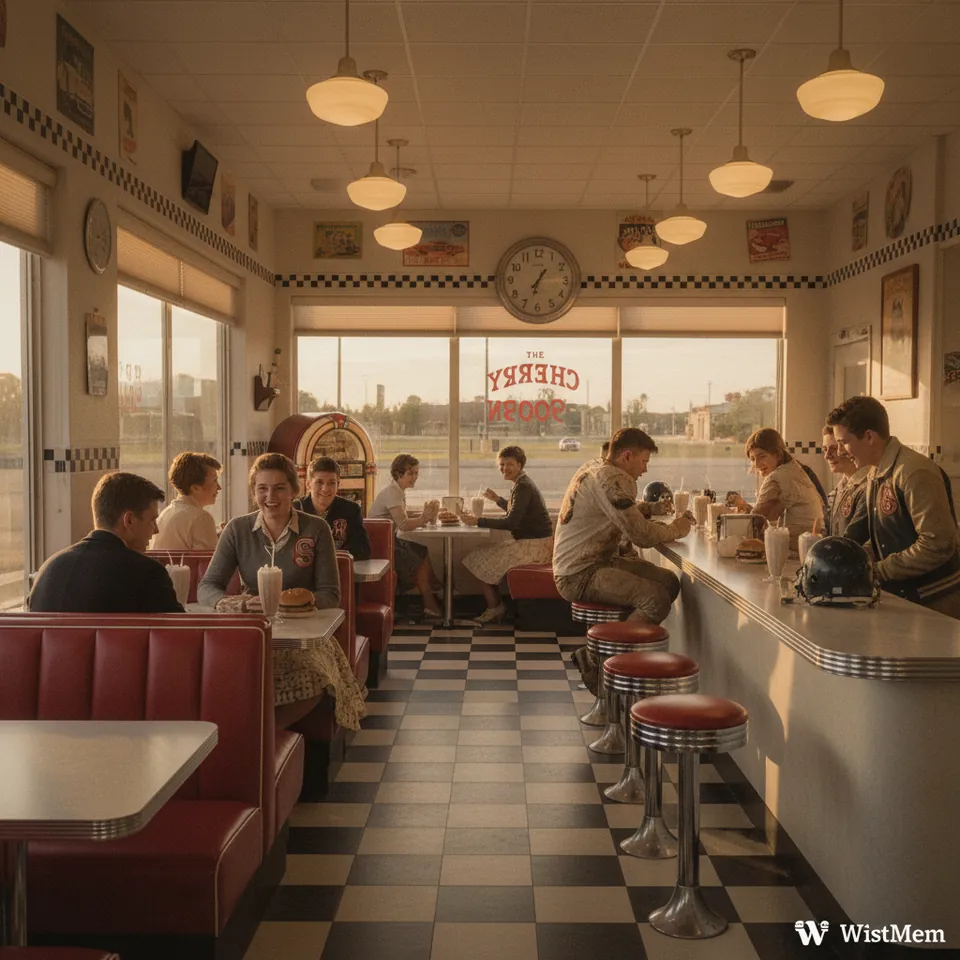
After the whistle, the team and its friends could carry the game into a booth. The order mattered less than who sat together and replayed the last play.
Read the story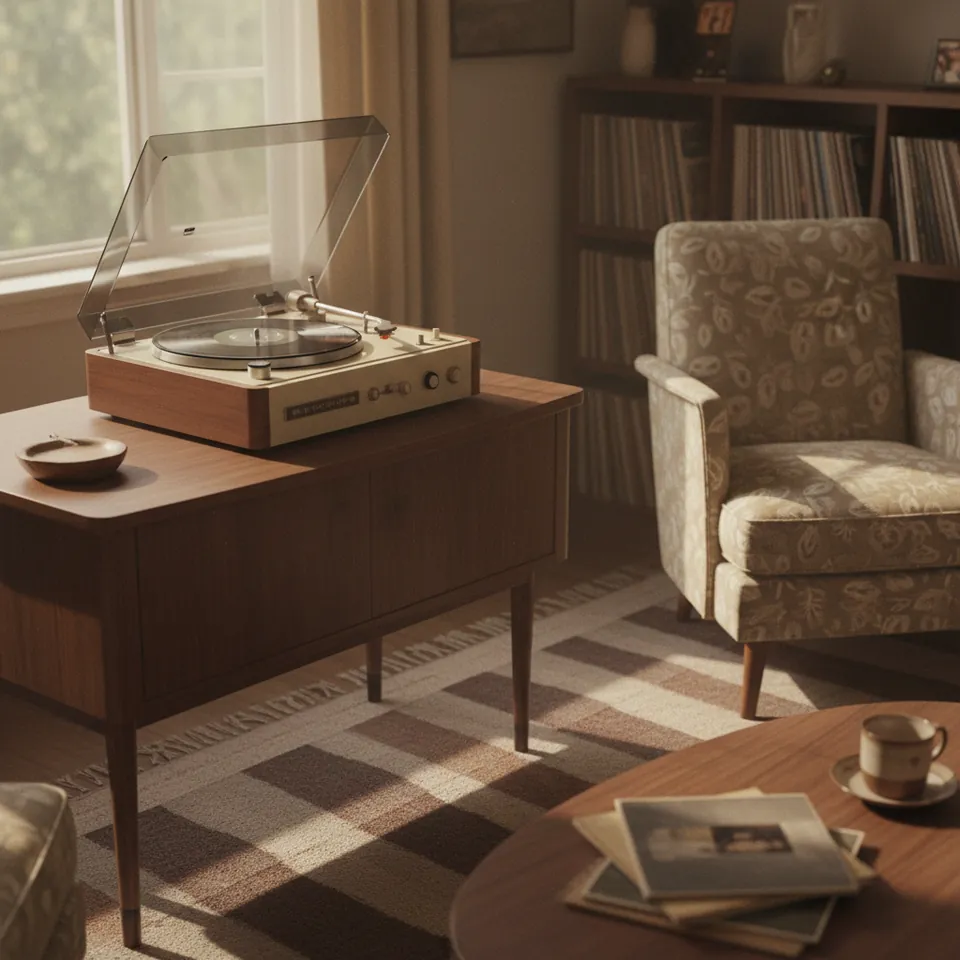
A stylus followed the groove to reproduce recorded sound, while the sleeve and side change made listening a small household ritual. Library of Congress guides explain the mechanism and care.
Read the story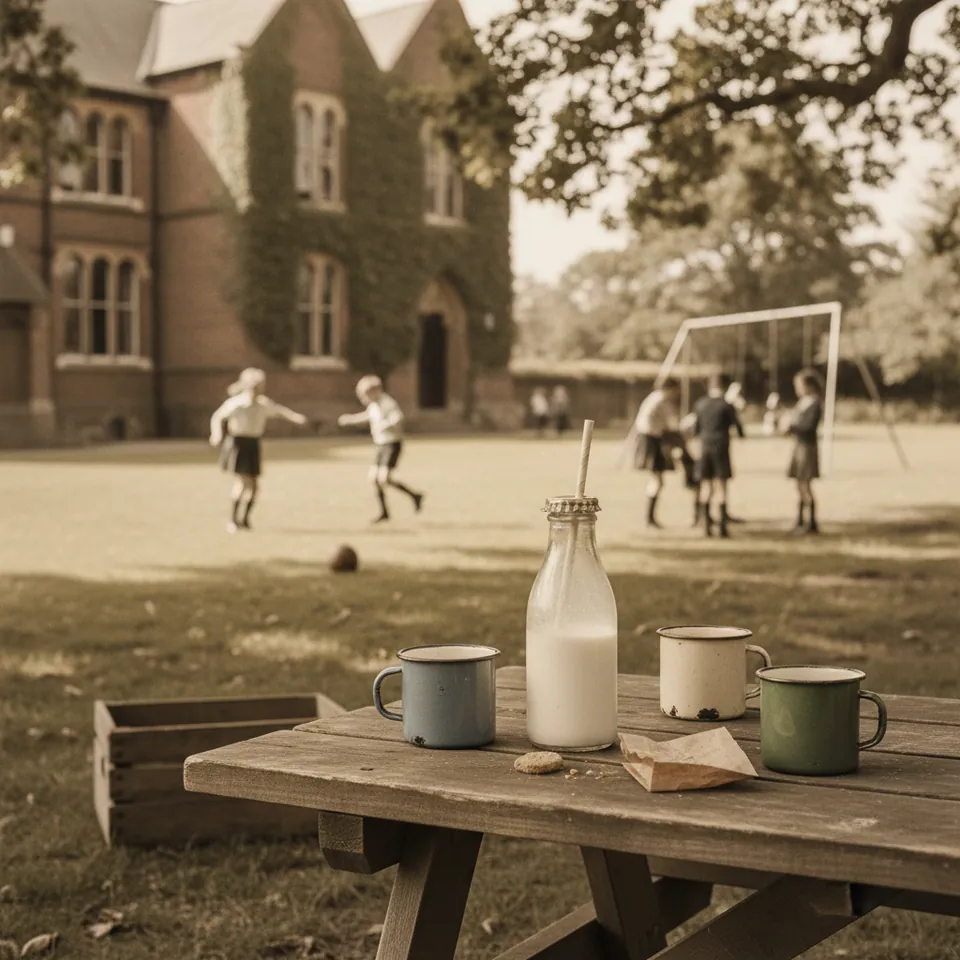
The glass school milk bottle was a daily classroom object as well as part of a public scheme. Its third-pint size and morning ritual survive in records and memories.
Read the story12 memories shown of 145
Public memory submissions are currently unavailable. You can still use our free questions with your family.
Find a question ↗