Make this page easier to read
Your choices are saved on this device.
Dropping coins into the slot and spinning the rotary dial transformed a simple street corner into a private connection.
"Each number you spun required patience and trust that the connection would hold through the wires."
Heavy iron doors pulled shut with a solid, damp thud that muffled the roar of passing traffic on the corner. Inside the glass booth, the air smelled of stale cigarette smoke, cold metal, and trapped moisture from the previous caller. Faded instruction cards were bolted to the aluminum paneling, explaining deposit rates and emergency dialing procedures.
Reaching into a pocket for loose change was the first step of the ritual. Pennies and shillings rattled against each other as you fished out the exact fare required for a local call. Dropping them into the designated slot produced a sequence of metallic clinks that signaled the system was ready for action.
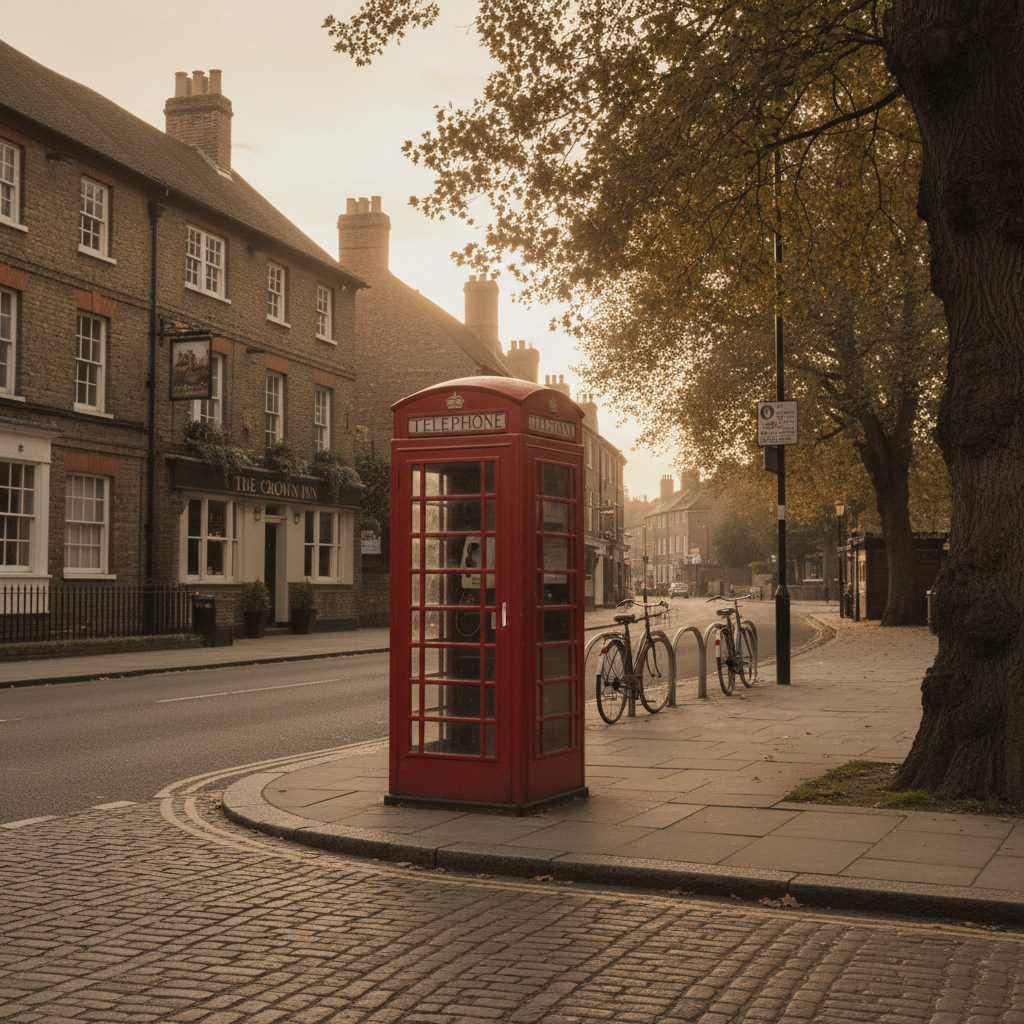
The rotary dial sat cold under your fingertips, its plastic wheel perforated with ten round holes. Pulling each digit around to the metal stop demanded a slow, deliberate cadence before letting the spring whir the wheel back into place. A mistake meant lifting the heavy receiver and starting the entire sequence over from scratch.
Waiting for the ring tone brought a quiet suspense while looking through smudged glass panes at pedestrians walking past completely unaware. If nobody answered, pressing the coin return button spat your coins back down into the metal trough with a clatter. When someone finally picked up on the other end, shouting was often necessary to cut through the line static.
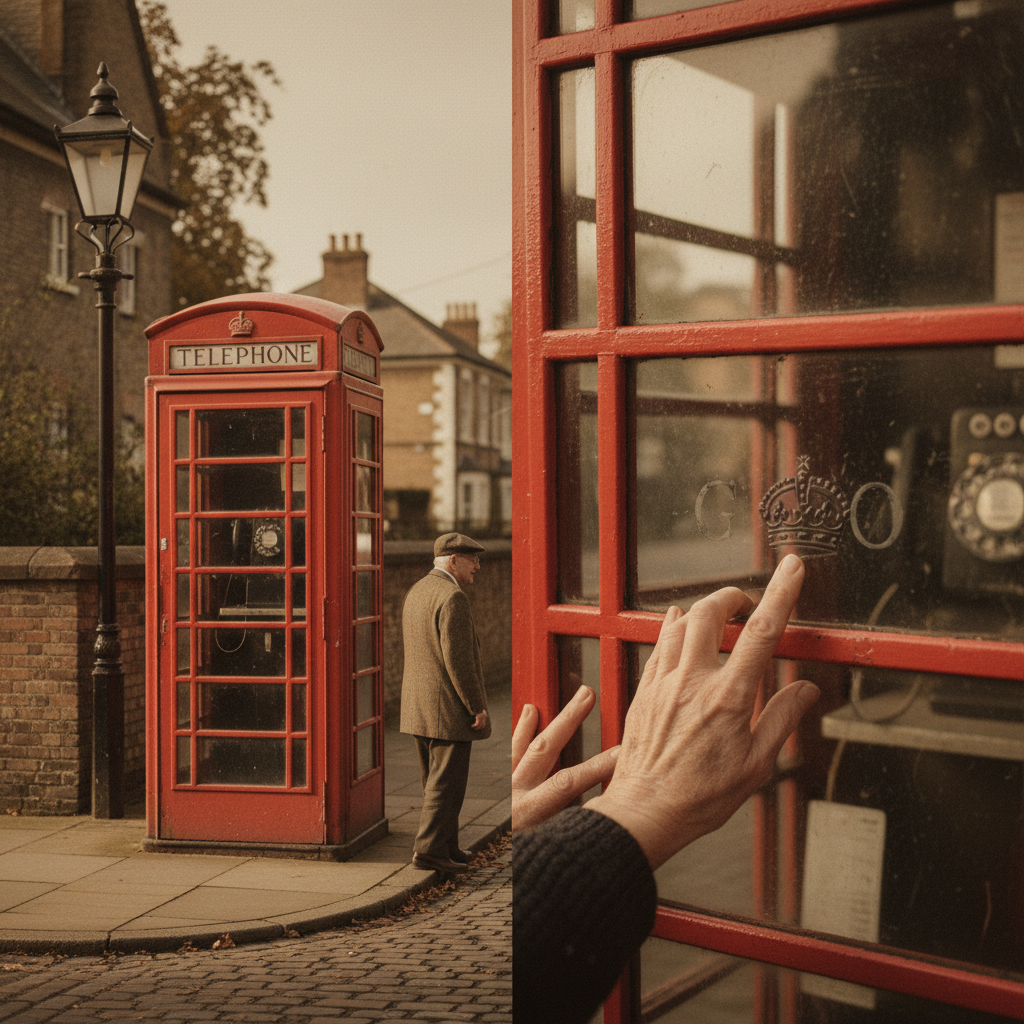
Public payphones served as critical urban anchors during decades when private household lines remained uncommon or expensive. Teenagers negotiated weekend curfews, travelers announced safe arrivals after long train rides, and neighbors called local businesses from street corners without needing a home installation.
Gradually, the steady hum of the dial tone faded from daily life as pocket-sized cellular devices replaced stationary booths. Municipalities began hauling away the hollow metal shells or converting the empty spaces into book exchanges and defibrillator stations. Yet the routine of standing in a public enclosure waiting for a voice on the wire remains distinct in recollection.
Does this bring back memories?
Share this story with someone who would remember.
Relive the Memory
Find Vintage Treasures on eBay
Searching for: vintage electronics phone box corner
Shop the Memory on eBayAs an eBay Partner, WistMem may earn from qualifying purchases.