Make this page easier to read
Your choices are saved on this device.
Before fragmented channels filled the dial, weekly variety hours gathered households around heavy television sets for a buffet of singers, comics, and acrobats.
"Families gathered three generations deep around that glowing box, waiting for the weekly variety hour to begin."
The heavy wooden dial on the television set clicked twice as it turned to the local station, settling into place with a mechanical thud that signaled the end of the weekend. Dinner plates had been scraped and stacked by the sink, leaving the kitchen quiet while the rest of the household migrated toward the living room. Dust motes drifted through the pale column of light cast by the vacuum tubes warming up inside the cabinet. Within moments, horizontal lines stabilized into a flickering grey picture framed by heavy furniture.
During the fifties, sixties, and seventies, the variety show operated as a dependable weekly anchor for millions of viewers. A polished host stepped in front of the curtain to deliver an opening monologue, followed by an eclectic rotation of acts that could include ventriloquists, operatic sopranos, and physical comedians. Every segment offered something different, ensuring that grandparents, parents, and children could all find a reason to stay seated on the sofa.
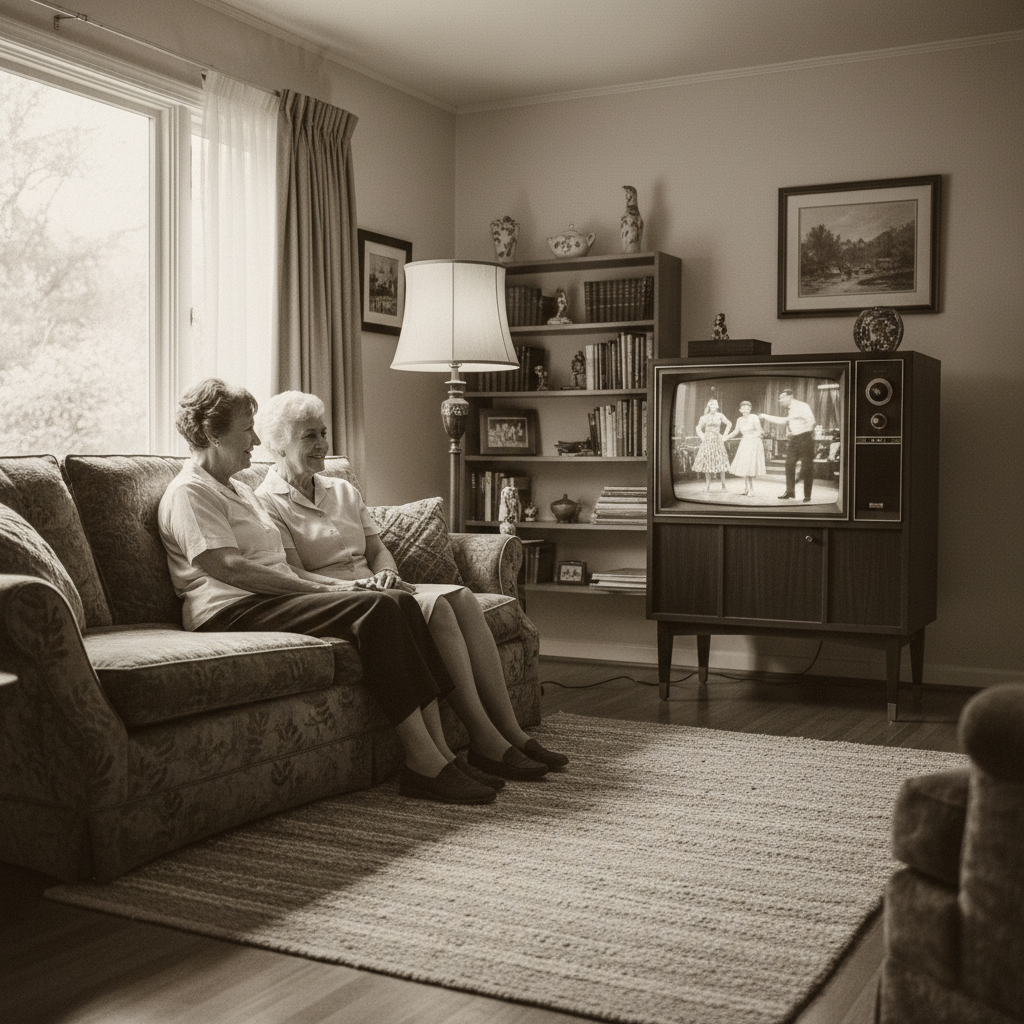
Technical limitations shaped how these performances were received in living rooms across the country. Rabbit ears extended from the top of the cabinet often needed careful adjustment by hand to clear up a snowy picture or reduce ghosting on the screen. The single speaker embedded beside the glass tube produced tinny audio that nonetheless carried the crisp taps of a dancer's shoes and the sharp brass blast of the house orchestra.
Commercial breaks were woven directly into the broadcast schedule, featuring live-read pitches and memorable jingles for household products. Families rarely left their seats during these pauses because walking away meant missing the setup for the next comedy sketch or musical number. The advertisements themselves became shared cultural touchstones discussed around workplace watercoolers the following morning.
Gradually, the landscape of home entertainment shifted away from broad-appeal spectacles toward specialized programming and targeted serials. Variety programs slowly vanished from prime-time schedules as production costs mounted and younger audiences sought different styles of humor and music. The bulky television sets were eventually replaced by sleeker models, leaving those crowded Sunday evening gatherings as a distinct product of a specific era in broadcasting history.
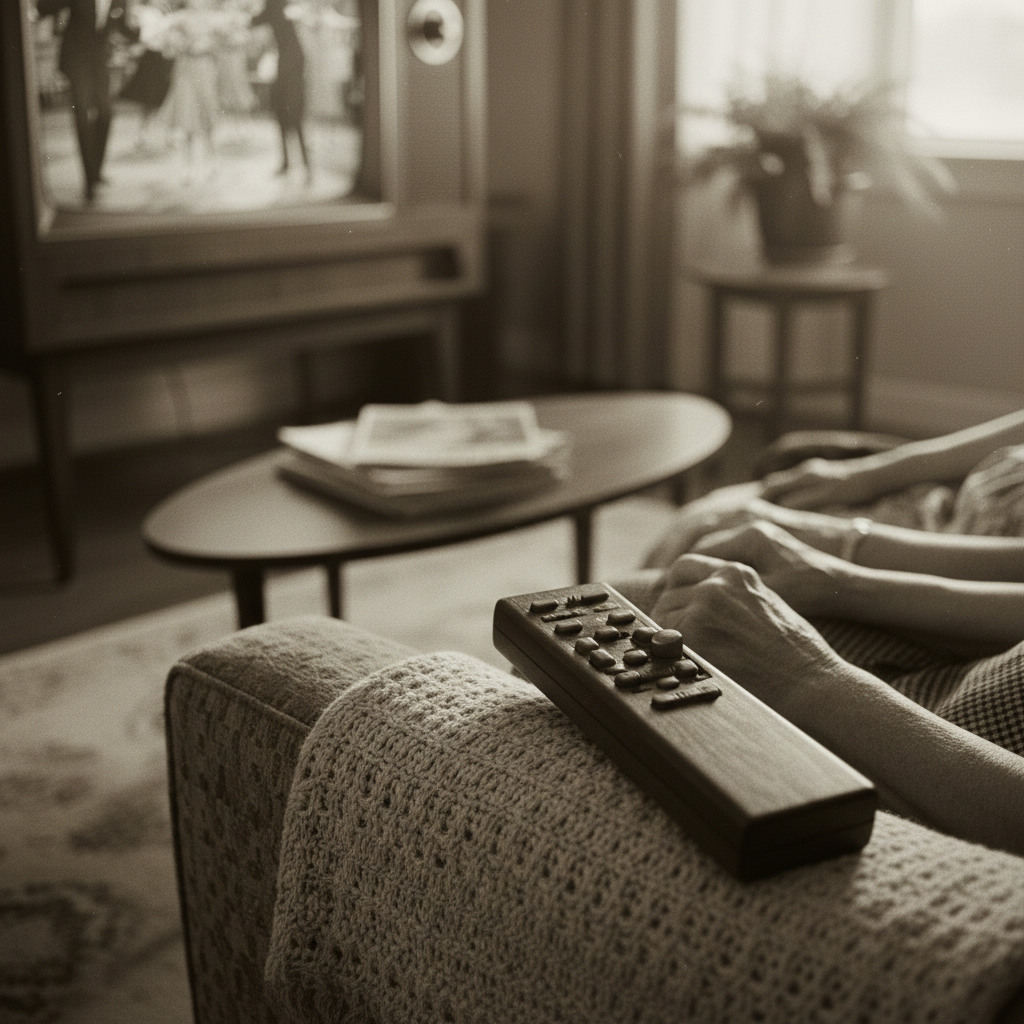
Today, the physical artifacts of that era survive mostly in secondhand shops and archival collections, quiet reminders of a time when a single television channel could unite an entire neighborhood. The collective viewing experience changed permanently once remote controls and multi-channel cable expanded individual choices. Yet the blueprint of the televised talent showcase remains visible in modern competition formats that still rely on the exact same formula of diverse acts and a central host.
Does this bring back memories?
Share this story with someone who would remember.
Relive the Memory
Find Vintage Treasures on eBay
Searching for: vintage variety show black white
Shop the Memory on eBayAs an eBay Partner, WistMem may earn from qualifying purchases.