Make this page easier to read
Your choices are saved on this device.
A high-pitched chirp cut through the grocery store aisle, forcing a hunt for the nearest payphone and a scramble to decode a string of numbers.
"You lived in the strange space between absolute solitude and total availability."
The heavy plastic holster clipped firmly to the waistband, riding just above the right hip pocket with a familiar, reassuring weight. Inside that dark plastic shell sat a compact device equipped with a tiny liquid crystal display that glowed in shades of green or amber. During the height of the 1990s, that small machine acted as an invisible leash connecting daily errands to urgent demands.
A high-pitched chirp or an insistent vibration would suddenly pierce the ambient noise of a grocery store aisle or a quiet restaurant booth. The immediate physical reaction was universal. Hands dropped to waistbands across the room as people checked their own clips, squinting down to read whatever digits had just materialized on the screen.
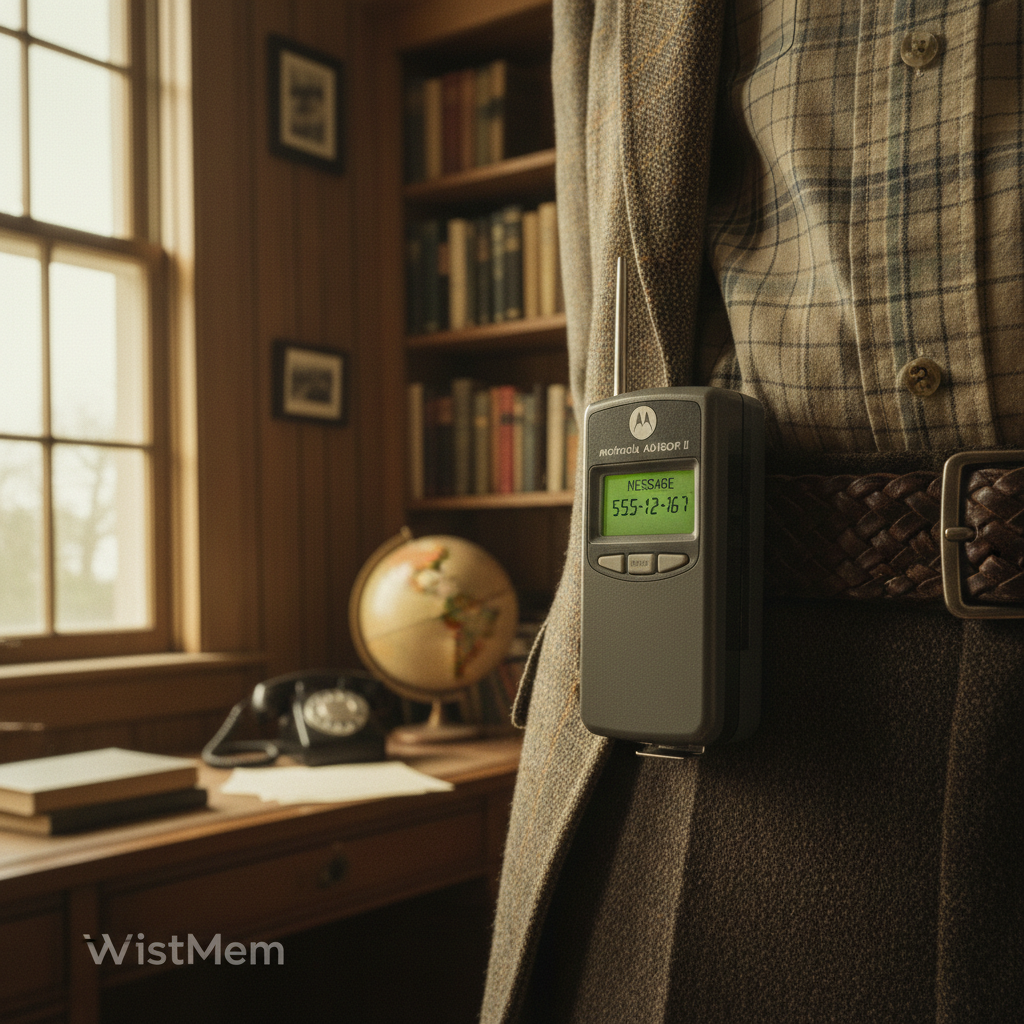
Most of the time, the glowing numbers simply displayed a familiar office extension or a home landline. Other times, the sequence demanded immediate translation. A string reading 911 signaled a sudden emergency, while 143 served as the shorthand numeric code for love [1.1.2]. Senders squeezed entire thoughts into tiny numerical fragments because the hardware allowed for nothing else.
Finding the message was only the first step of the ritual. The recipient had to scan the immediate surroundings for a functioning payphone, often walking several blocks or ducking into a gas station. Feeding quarters into the metal slot and pulling the folding glass door shut blocked out street traffic just long enough to dial back with a sense of urgent mystery.
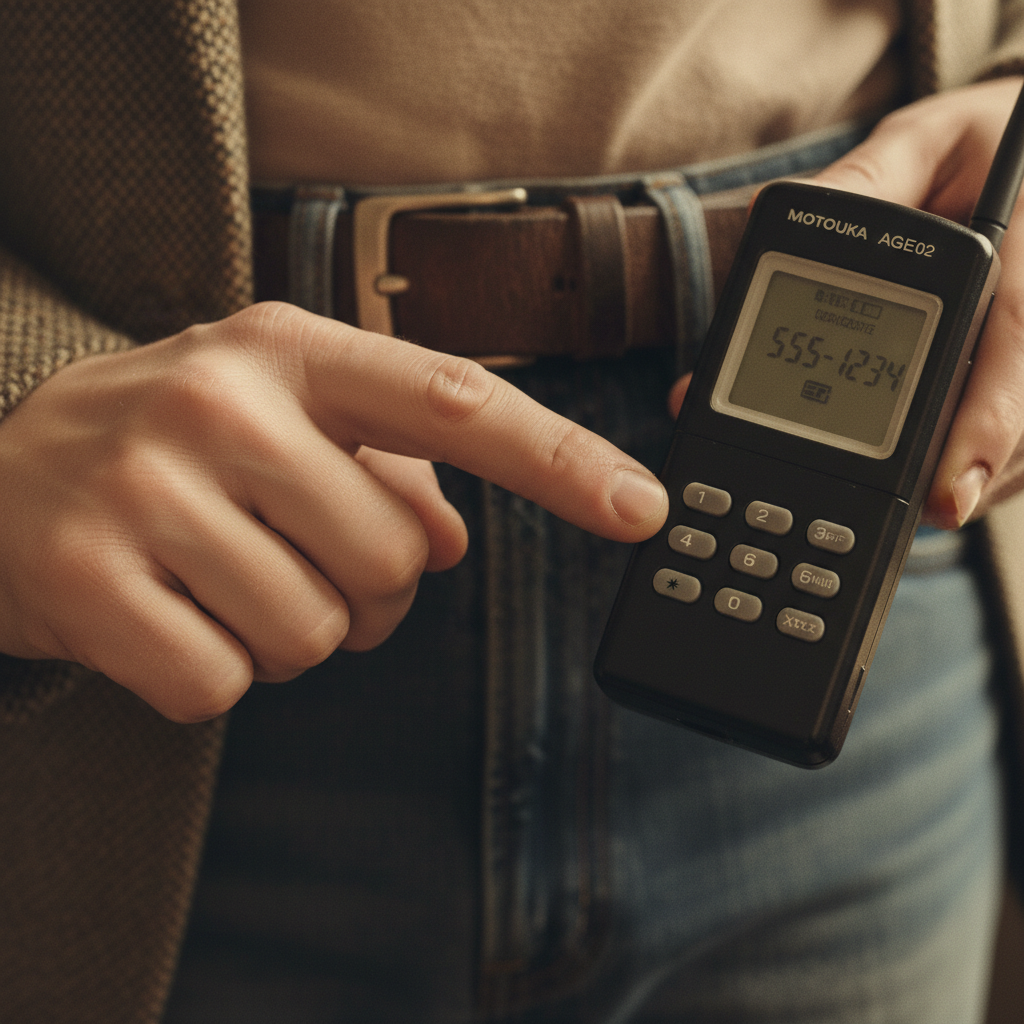
This rhythm of communication shaped how people moved through public spaces without demanding constant eye contact with a glowing interface. Reachable yet insulated, individuals walked down sidewalks capable of being interrupted yet entirely present in their immediate surroundings. Being paged meant someone needed attention right then, granting a quiet sense of validation.
Cell phones eventually arrived with flip covers and polyphonic ringtones, absorbing the market almost overnight and rendering the belt holster obsolete. Yet the habit of waiting for a sudden signal left a permanent mark on an entire generation. The internal readiness to drop everything and check in remains intact, long after the last beeper went silent.
Does this bring back memories?
Share this story with someone who would remember.
Relive the Memory
Find Vintage Treasures on eBay
Searching for: vintage pager belt
Shop the Memory on eBayAs an eBay Partner, WistMem may earn from qualifying purchases.